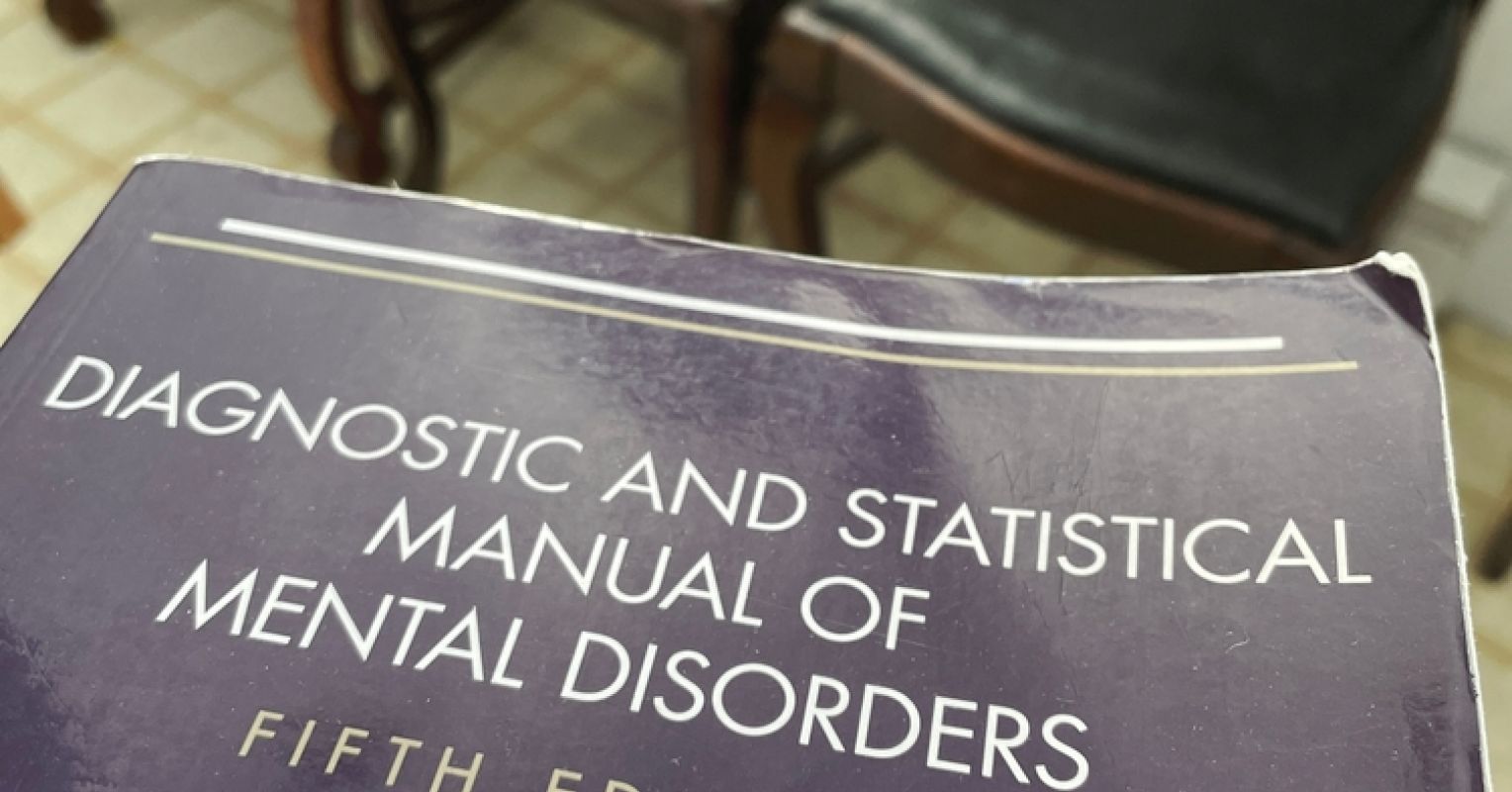
The Diagnostic and Statistical Manual (DSM) lists official psychiatric conditions and the criteria required for each diagnosis. The current edition is DSM-5, published in 2013 and later revised, and a new edition is now being planned with potential substantial changes. DSM definitions influence medical education, clinical practice, insurance coverage, and pharmaceutical labeling. The manual faces criticisms for relying on subjective histories, expanding diagnostic categories, and historical errors such as pathologizing homosexuality. Ongoing debate addresses how to align diagnostic criteria with contemporary scientific evidence while maintaining practical utility for clinicians and payers.
"The mechanism through which these modifications happen is through a book, published by the American Psychiatric Association, called the Diagnostic and Statistical Manual of Mental Disorders, otherwise known as the DSM. This book is often described erroneously as psychiatry's "bible," although "dictionary" would be a much more accurate comparison. The DSM provides the official list of psychiatric conditions and the specific criteria that must be met for someone to qualify for each diagnosis."
"At the same time, the DSM has many limitations (many of which are acknowledged in the book) and has been a punching bag for the many critics of psychiatry who make fun of the ever-expanding number of diagnoses, the reliance on subjective history rather than more concrete evidence like lab tests or brain scans in making diagnoses, and some of its past mistakes that in today's world look rather foolish-like when being gay was considered a mental illness."
Read at Psychology Today
Unable to calculate read time
Collection
[
|
...
]