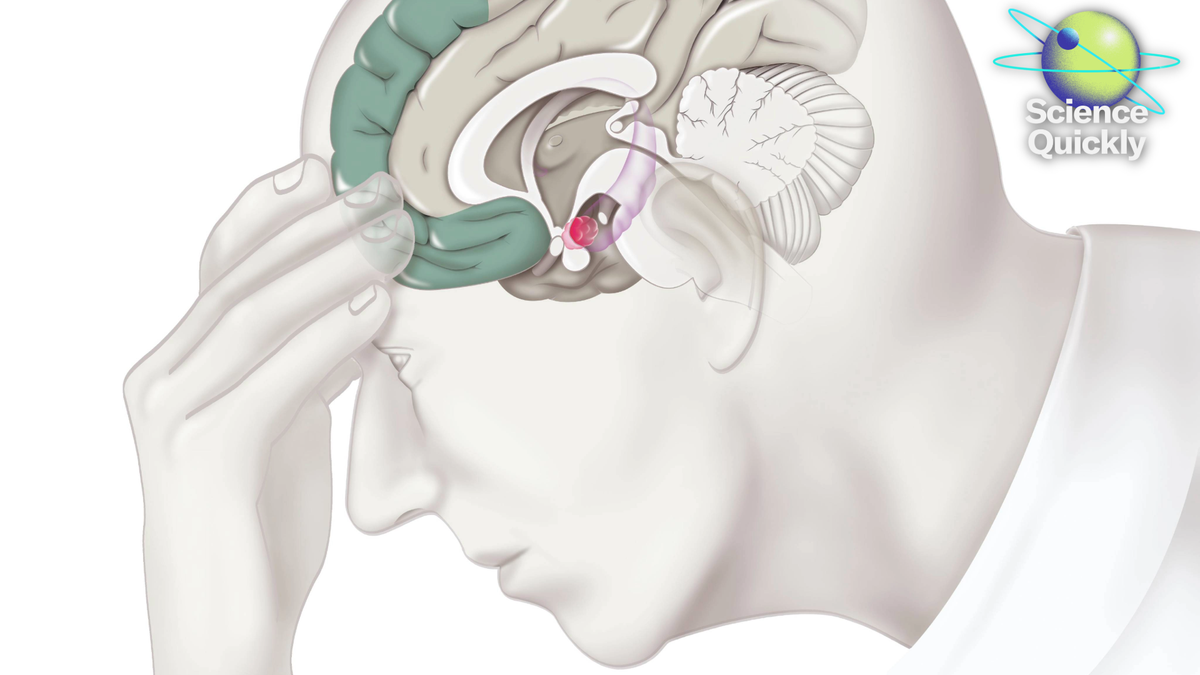
The Diagnostic and Statistical Manual of Mental Disorders (DSM) serves as the primary manual guiding psychiatric diagnosis for conditions such as ADHD, panic disorder, and anorexia nervosa. Clinicians use DSM guidelines as part of the diagnostic process during clinical assessment. The DSM emerged in the mid-20th century and expanded substantially with DSM-III in 1980, increasing the number of listed disorders. The American Psychiatric Association publishes the DSM with the aim of accurately describing recognized mental illnesses. The manual has faced decades of criticism for not reflecting scientific reality, and a proposed APA overhaul could significantly change disorder categorization and diagnosis.
"Think of a psychiatric condition, something like attention-deficit/hyperactivity disorder, panic disorder or anorexia nervosa. Nowadays many of us take for granted that a mental health care professional can help determine if we have one of these conditions. But how do they make that diagnosis? It's based, in part, on guidelines from the Diagnostic and Statistical Manual of Mental Disorders, or the DSM. It's a book published by the American Psychiatric Association with the goal of accurately describing recognized mental illnesses."
"In many ways the DSM is considered the bible of psychiatry. It's also received decades of criticism, particularly that it doesn't reflect scientific reality. Last month the APA announced that it may make a major overhaul to the DSM, which, if the proposals come to pass, could have significant impacts on how psychological disorders are categorized and diagnosed. To learn more about those changes we spoke with Allison Parshall, associate editor for mind and brain at SciAm. Thanks for joining us today."
Read at www.scientificamerican.com
Unable to calculate read time
Collection
[
|
...
]