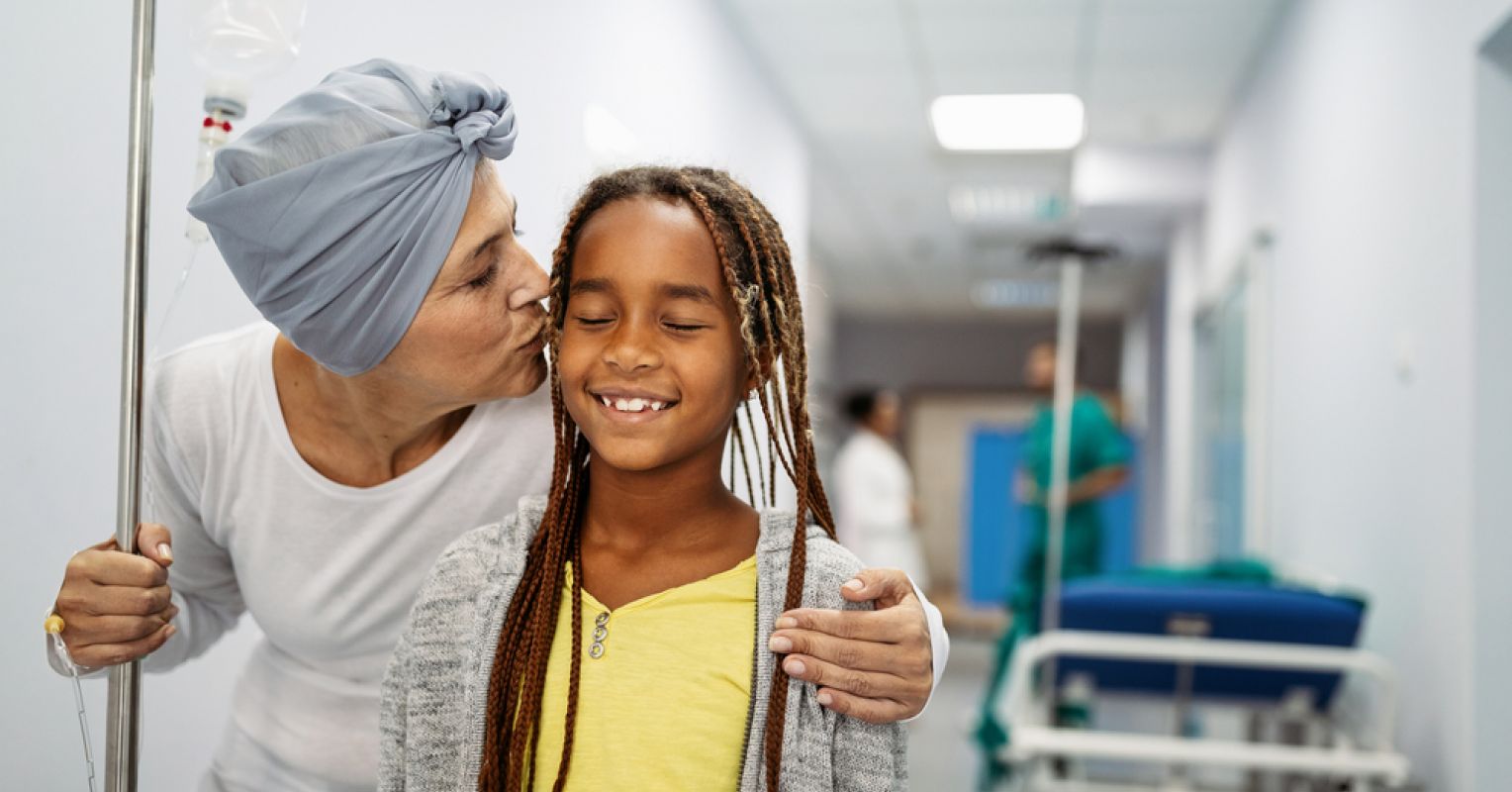
Completion of active cancer treatment often brings reduced appointments and fewer side effects, yet many survivors and families experience ambiguity rather than finality. Psychological, relational, and identity impacts frequently persist, and fear of recurrence influences family dynamics and communication. Treatment often reorganizes roles around practical tasks, narrows emotional expression, and reorients conversations toward logistics and symptoms. Ending treatment requires reorganization, renegotiation of roles, and meaning-making across the family system. Marriage and family therapists can support role renegotiation, help address post-treatment identity and intimacy struggles, and collaborate with medical systems as survivors maintain ongoing surveillance and care.
"Appointments are fewer, side effects subside, and crisis-related language is eased. However, for many survivors and loved ones, this phase is characterized by less finality and more ambiguity. Although treatment has ended, the psychological, relational, and identity impacts of cancer can persist (Kolsteren et al., 2022). Survivorship is not a return to life before cancer; instead, it is a shift to a new relational terrain. The entire family system faces the challenges of reorganization, renegotiation, and meaning-making."
"Marriage and family therapists (MFTs) are well-positioned to address the needs of individuals and families during this stage of care. From the perspective of systems and medical family therapy, oncology survivorship is not considered an individual adaptation but a relational process constructed through illness narratives, changing roles, fear of recurrence, and continued medical system contact. As the healthcare system increasingly emphasizes survivorship as an essential stage of the cancer journey, MFTs are poised to be significant contributors to this field."
Read at Psychology Today
Unable to calculate read time
Collection
[
|
...
]