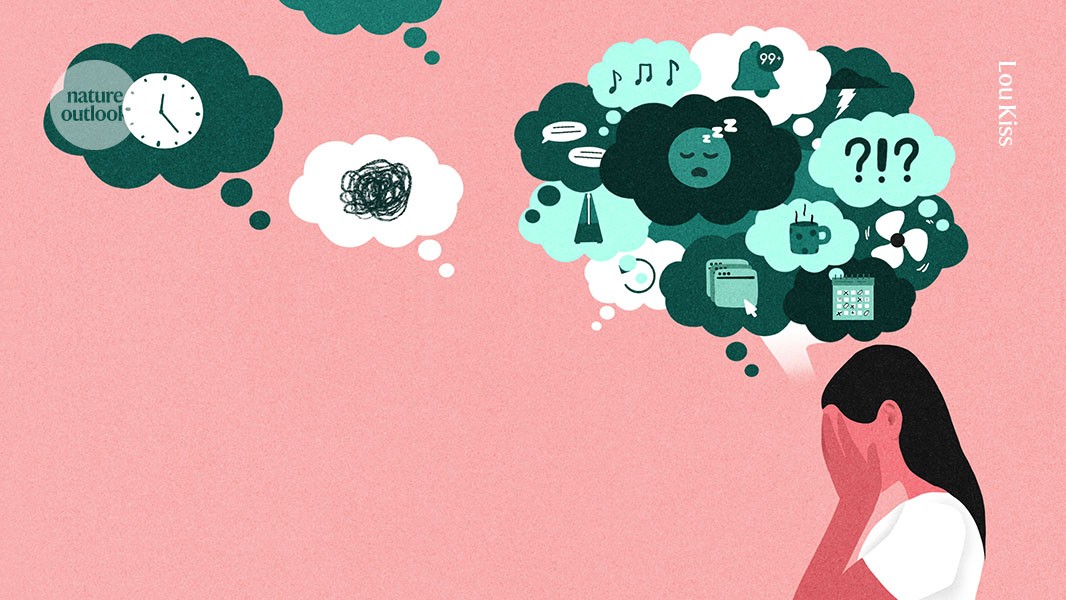
ADHD symptoms have been recognized for over a century, received formal recognition in the 1960s and the current name in 1980. Globally, the condition affects up to 8% of children and adolescents and frequently persists into adulthood, with rates rising rapidly over recent decades for unclear reasons. Dopamine signalling remains a treatment target, but the neurobiology is complex and not reducible to a single chemical deficit. Boys are diagnosed two to three times more often than girls, leading to underdiagnosis and worse outcomes for females. Oral stimulants such as methylphenidate remain the most effective treatment despite side effects, and genetic and environmental factors, including prenatal paracetamol exposure, contribute to risk.
"The symptoms of attention deficit hyperactivity disorder (ADHD) have been known for more than 100 years, although the condition was not formally recognized until the 1960s and did not receive its current name until 1980. Globally, ADHD affects up to 8% of children and adolescents, and often persists into adulthood. Rates have been rising quickly over the past few decades, for reasons that are not entirely clear - a mystery that underscores how much we still have to learn about the condition."
"For decades, there has been one main, and highly effective, treatment for ADHD: oral stimulant drugs such as methylphenidate, commonly known as Ritalin. But stimulants can have problematic side effects, so researchers are working to develop alternatives, including non-stimulant drugs, talk therapy and even therapeutic video games. So far, however, nothing matches the efficacy of stimulants."
"There is a big genetic component to ADHD, but environmental factors also have a role. One that made headlines in recent months is the potential link between prenatal exposure to paracetamol and neurological disorders such as ADHD and autism. This complex relationship needs scientific clarity that is currently lacking - and political fights have muddied the waters."
Read at Nature
Unable to calculate read time
Collection
[
|
...
]