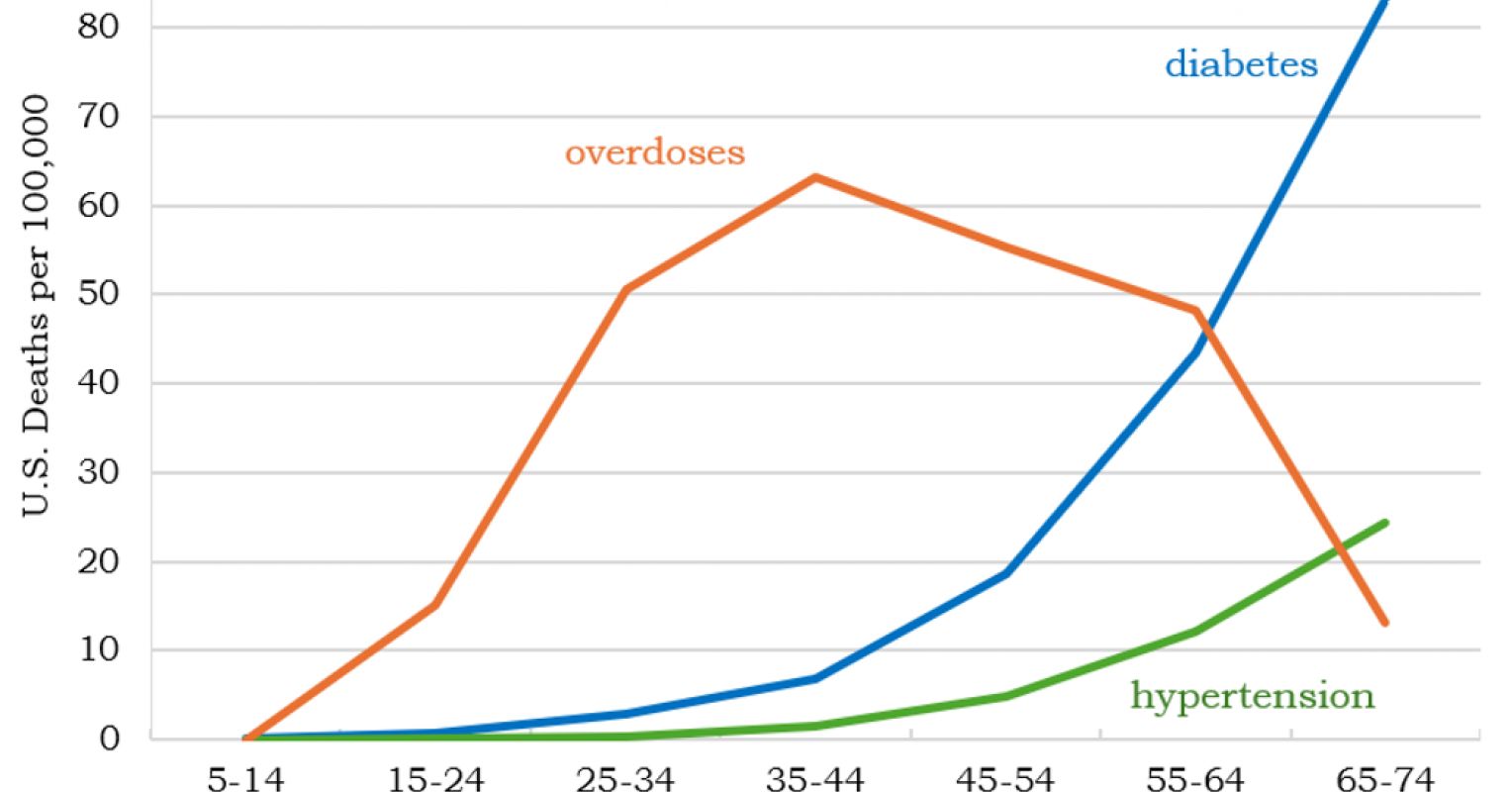
"Mental health experts are nearly unanimous in endorsing the disease model of addiction. Alcoholism (now alcohol use disorder) was declared a disease in 1956 by the American Medical Association, and drug addiction (now drug use disorder) was declared a disease in 1987. The AMA was later joined by the American Psychological Association and many other professional organizations in defining addiction as a disease."
"Like other diseases, addiction has a strong genetic basis that's often triggered in high-risk environments. Those with genetic vulnerability are likely to develop addiction in cultures where alcohol and other drugs are readily available and frequently used. Where alcohol and drugs are less available and rarely used, genetic risk may never develop into addiction. Many other diseases behave similarly. Genetic vulnerability to type II diabetes, for example, places people at high risk for diabetes in cultures like the United States,"
Mental health experts nearly unanimously endorse the disease model of addiction. Alcohol use disorder was declared a disease in 1956 by the American Medical Association; drug use disorder was declared a disease in 1987. Addiction has a strong genetic basis that is often triggered in high-risk environments, making genetic vulnerability likely to produce addiction where alcohol and other drugs are readily available. Similar patterns occur with other diseases such as type II diabetes, where genetic risk interacts with culture and diet. When both genetic vulnerability and environmental risk are necessary, the disease model can be difficult to grasp, prompting questions about trauma, choice, and character.
Read at Psychology Today
Unable to calculate read time
Collection
[
|
...
]