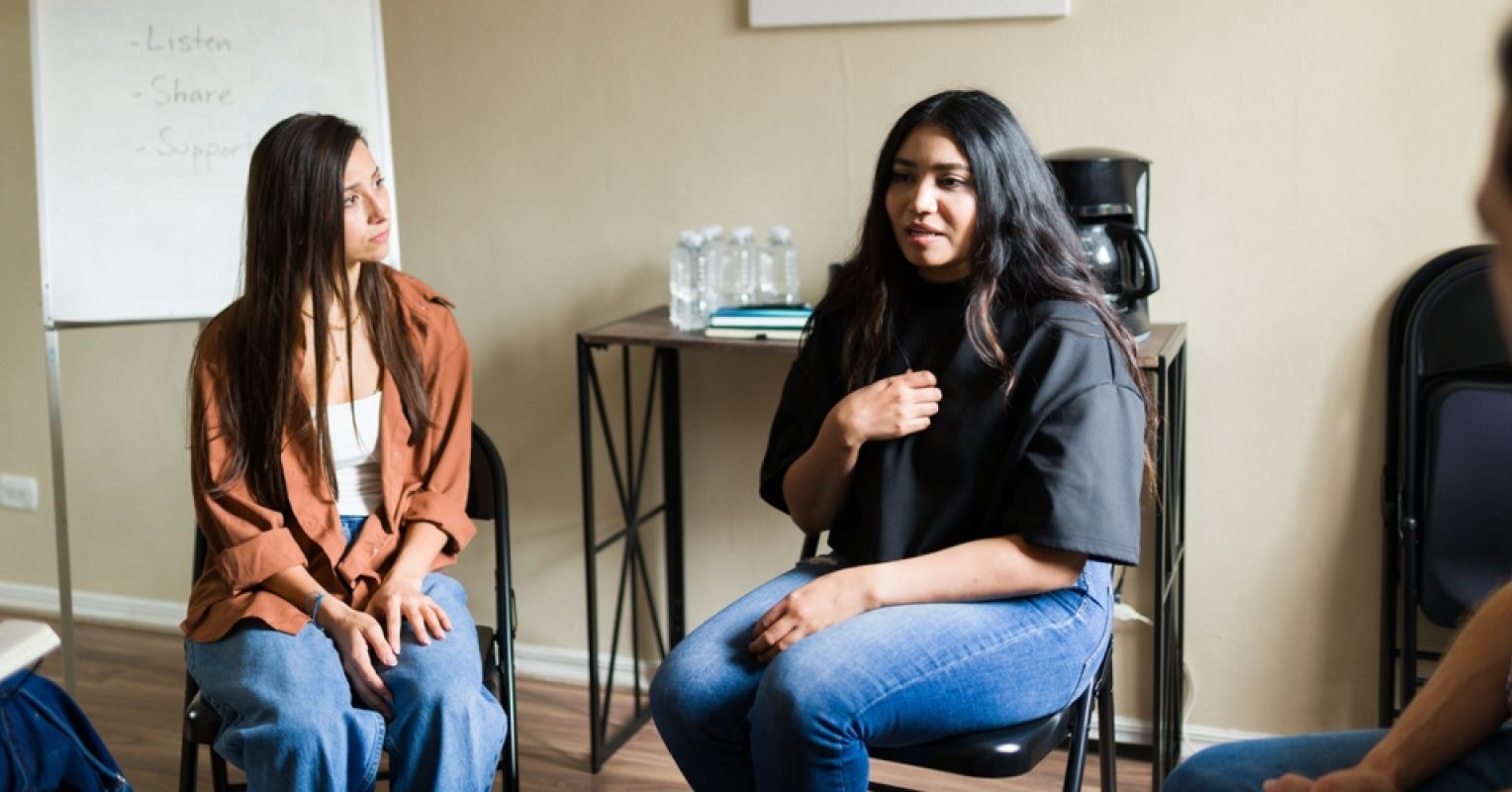
"A few years ago, I decided to teach a weekly TEAM CBT class for Stanford psychiatric residents, featuring live therapy with trauma patients. The idea behind TEAM is radical but simple; in many cases, an entire course of therapy can be completed in a single session. I invited faculty to refer patients who had suffered severe trauma and had been difficult to help."
"One woman, let's call her Maggie, had come to Stanford after her private psychiatrist of 20 years died. She said this was a devastating loss, since he had become her only real friend in the world. When therapy becomes a long-term paid friendship, it raises a red flag in my mind. Does therapy involve meeting our patients' needs for intimacy, or giving them the skills they need to develop greater intimacy?"
"Maggie was in her late 60s and had lived through what clinicians call "complex trauma"-not one catastrophe but many, stretched across a lifetime. One sibling suffered from a severe developmental disorder. As a teenager, Maggie experienced assault by a neighborhood gang. Later, the only man who ever told her he loved her ran away with another woman and vanished with her life savings."
TEAM CBT emphasizes changing how people feel in the here-and-now and can often produce rapid therapeutic change. A weekly clinical class used live therapy demonstrations to teach psychiatric residents that severe depression and trauma can sometimes be resolved much faster than conventional expectations. Patients with lifelong, complex traumas involving family illness, assault, and betrayal were treated in this format. The approach highlights risks of long-term therapist dependency and focuses on building patients' skills for intimacy and emotional regulation while addressing past wounds through present-moment emotional change.
Read at Psychology Today
Unable to calculate read time
Collection
[
|
...
]