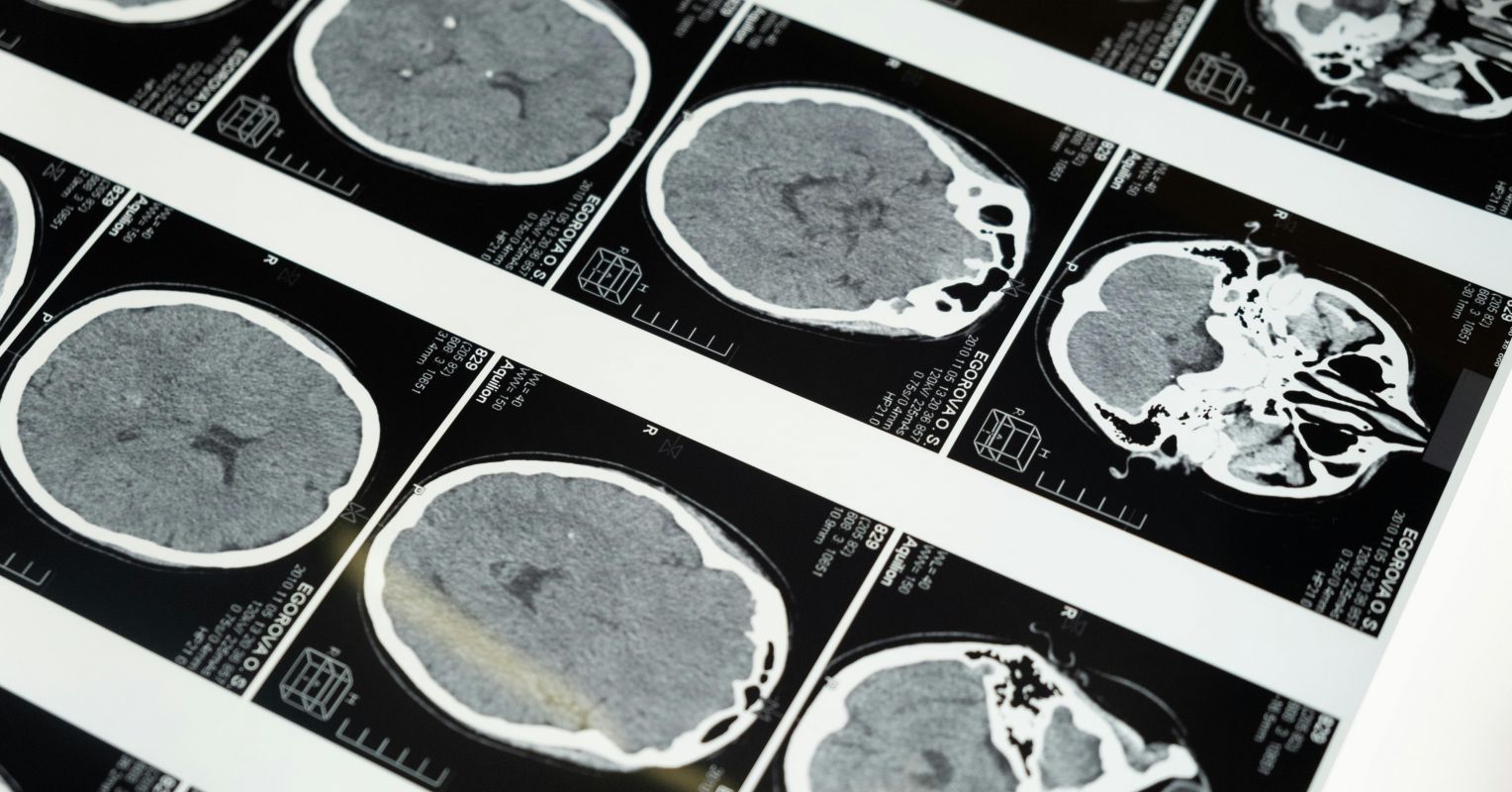
"Dopamine Signalling and ADHD Of particular interest in the ADHD brain is dopamine. Dopamine is a signalling molecule (neurotransmitter) released when we're stimulated by something interesting or rewarding. Dopamine is also required for control of our executive functions (thoughts, feelings, and behaviours). You could think of it like we earn dopamine through rewarding activity and spend it immediately to operate our executive functions."
"When we're adequately stimulated and our brain detects enough dopamine, we feel satisfied and content with staying focused, calm, and still; when we're inadequately stimulated and dopamine signals are low, we feel dissatisfied and will start searching for stimulation. This could involve moving our "attentional spotlight" around, focusing on objects in our surroundings or imagination, or we might start physically moving around or fidgeting, and we might feel generally bored, irritable, or stressed."
Dopamine regulates reward, focus, calm, and effort and is released when something is interesting or rewarding. Dopamine is required for executive functions; rewarding activity produces dopamine that is spent to operate those functions. Adequate dopamine produces satisfaction, focus, calmness, and stillness, while inadequate signalling produces boredom, irritability, restlessness, attentional shifting, and searching for stimulation. Structural brain differences in corpus callosum, cerebellum, basal ganglia, and reduced white matter volumes have been observed in ADHD. Genetic variants of dopamine receptors (including D2, D4, and D5) reduce dopamine signal detection, so reduced signalling strength causes a higher need for novelty to feel engaged and settled.
Read at Psychology Today
Unable to calculate read time
Collection
[
|
...
]