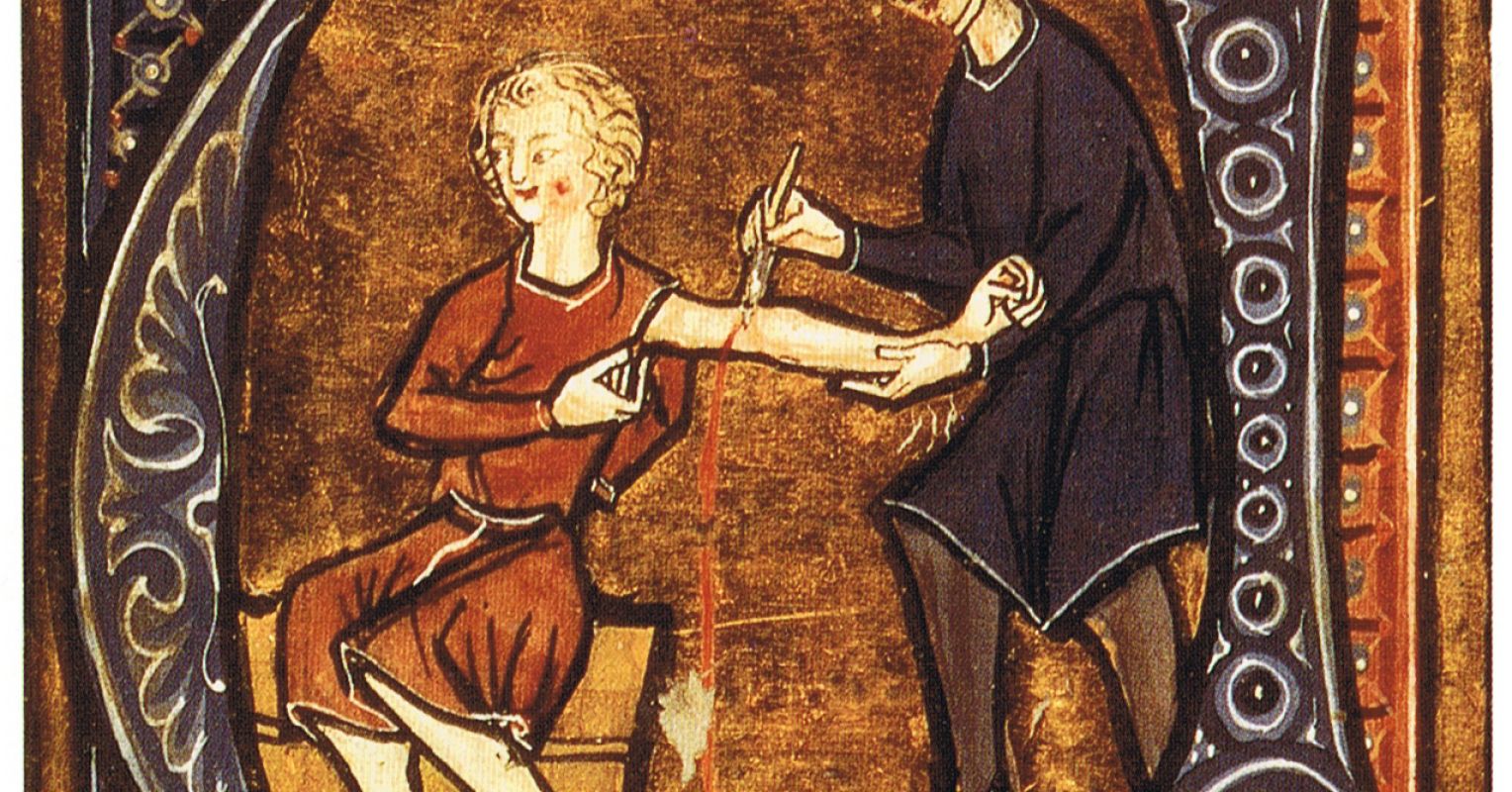
"Theory is our basic scientific tool for establishing knowledge. It dictates how we conduct patient care, teaching, and research. 1 Once adopted, it simply becomes automatic, those guided by it typically unaware of its power and often unable to articulate it. While familiar scientific methods, such as randomized controlled trials, define how we conduct studies, philosopher Karl Popper emphasizes that theory determines what research questions we will examine with these methods. 2"
"From the origin of scientific medicine with Hippocrates in the 5th century B.C. until Descartes's Mind-Body Split Theory in the 17th century A.D., the Four Humors Theory guided medicine, not completely extinguished from health care until the 20th century. This naturalistic theory replaced the previous supernatural understandings that Greek gods caused symptoms as punishment for varied transgressions. The theory posited that an imbalance of four circulating humors (black bile, yellow bile, blood, phlegm) created disease and caused symptoms and often disability and death."
Theory functions as the fundamental scientific tool for establishing knowledge and determines patient care, teaching, and research practices. Once adopted, a theory becomes automatic and its adherents often cannot articulate its influence. Karl Popper argued that theory shapes which research questions are pursued even when standard methods like randomized controlled trials are used. Historically, the Four Humors Theory guided medicine from Hippocrates through the 20th century, attributing disease to imbalances of black bile, yellow bile, blood, and phlegm. Treatments like bloodletting aimed to restore humoral balance. Descartes's 17th-century mind-body split later supplanted humoral explanations.
Read at Psychology Today
Unable to calculate read time
Collection
[
|
...
]