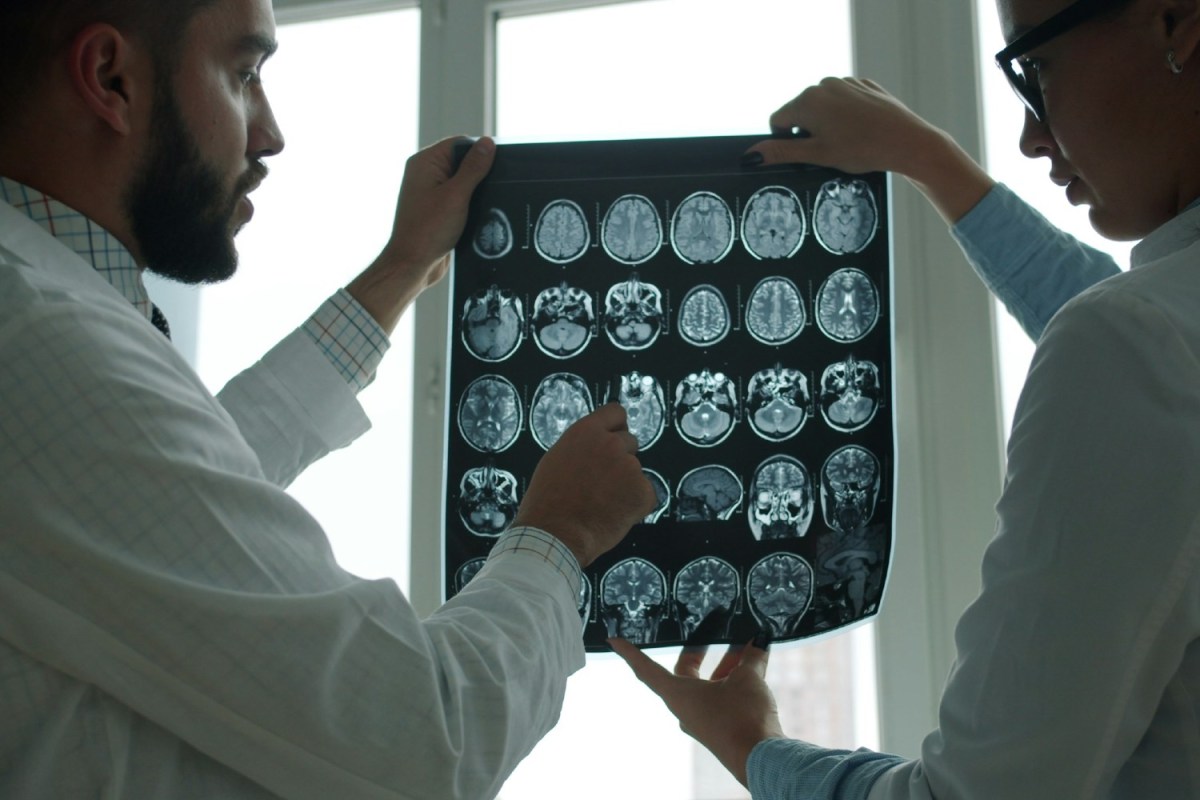
Roughly one million people in the United States live with Parkinson's disease. Managing symptoms remains difficult, though technological developments, including an ultrasound helmet, aim to improve quality of life. Parkinson's disease has traditionally been classified as a movement disorder based on visible motor symptoms. New evidence indicates a more accurate classification is as a somato-cognitive action network disorder that coordinates arousal, organ physiology, whole-body motor plans, and behavioural motivation. The motor cortex has responsibilities beyond movement, and recognizing these roles could lead to different treatment approaches and more effective therapies, easing daily life for many patients.
"How many people in the United States are living with Parkinson's Disease? According to statistics provided by the American Parkinson Disease Association, roughly one million people in this country alone. Managing its symptoms is no easy task, even as new technological developments - including an ultrasound helmet - arrive on the scene to improve life for people diagnosed with it."
"The paper's authors also provide a concise description of what, exactly, the somato-congnitive action network is, writing that it "[coordinates] arousal, organ physiology and whole-body motor plans with behavioural motivation." As the authors told NPR's Jon Hamilton, they began investigating this due to the wide range of symptoms of Parkinson's disease, some of which had little to do with the way the body moves."
"As NPR's reporting on the subject points out, the authors of the recent Nature study drew upon research published in 2023 by a group of scientists at Washington University. The earlier study suggested that the body's motor cortex has responsibilities outside of movement. Applying this concept to Parkinson's disease could help medical professionals develop more effective treatments for the disease - making life significantly easier for a lot of people around the world."
Read at InsideHook
Unable to calculate read time
Collection
[
|
...
]