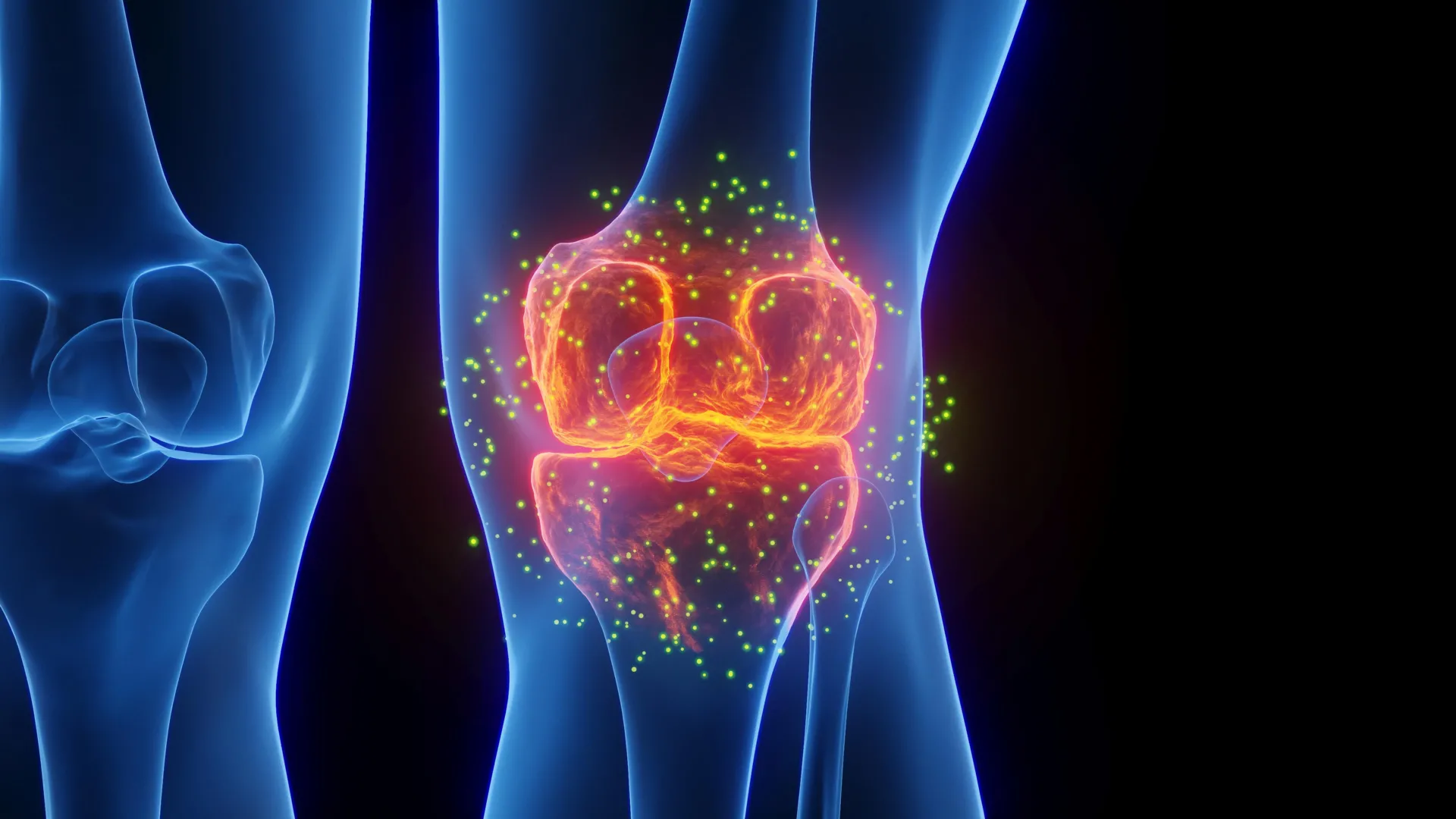
"A study led by Stanford Medicine researchers has found that an injection blocking a protein linked to aging can reverse the natural loss of knee cartilage in older mice. The same treatment also stopped arthritis from developing after knee injuries that resemble ACL tears, which are common among athletes and recreational exercisers. Researchers note that an oral version of the treatment is already being tested in clinical trials aimed at treating age-related muscle weakness."
"Human cartilage samples taken from knee replacement surgeries also responded positively. These samples included both the supportive extracellular matrix of the joint and cartilage-producing chondrocyte cells. When treated, the tissue began forming new, functional cartilage. Together, the findings suggest that cartilage lost due to aging or arthritis may one day be restored using either a pill or a targeted injection. If successful in people, such treatments could reduce or even eliminate the need for knee and hip replacement surgery."
An injection blocking the aging-associated protein 15-PGDH reversed natural knee cartilage loss in older mice and prevented arthritis after ACL-like knee injuries. Human cartilage samples from knee replacement surgeries regenerated new, functional cartilage when treated, including extracellular matrix and chondrocyte responses. An oral version targeting the same pathway is already in clinical trials for age-related muscle weakness. Osteoarthritis affects about one in five adults in the United States and lacks approved drugs to slow or reverse cartilage damage. Cartilage lost due to aging or arthritis may be restorable using either a pill or a targeted injection, potentially reducing joint replacement surgeries.
Read at ScienceDaily
Unable to calculate read time
Collection
[
|
...
]