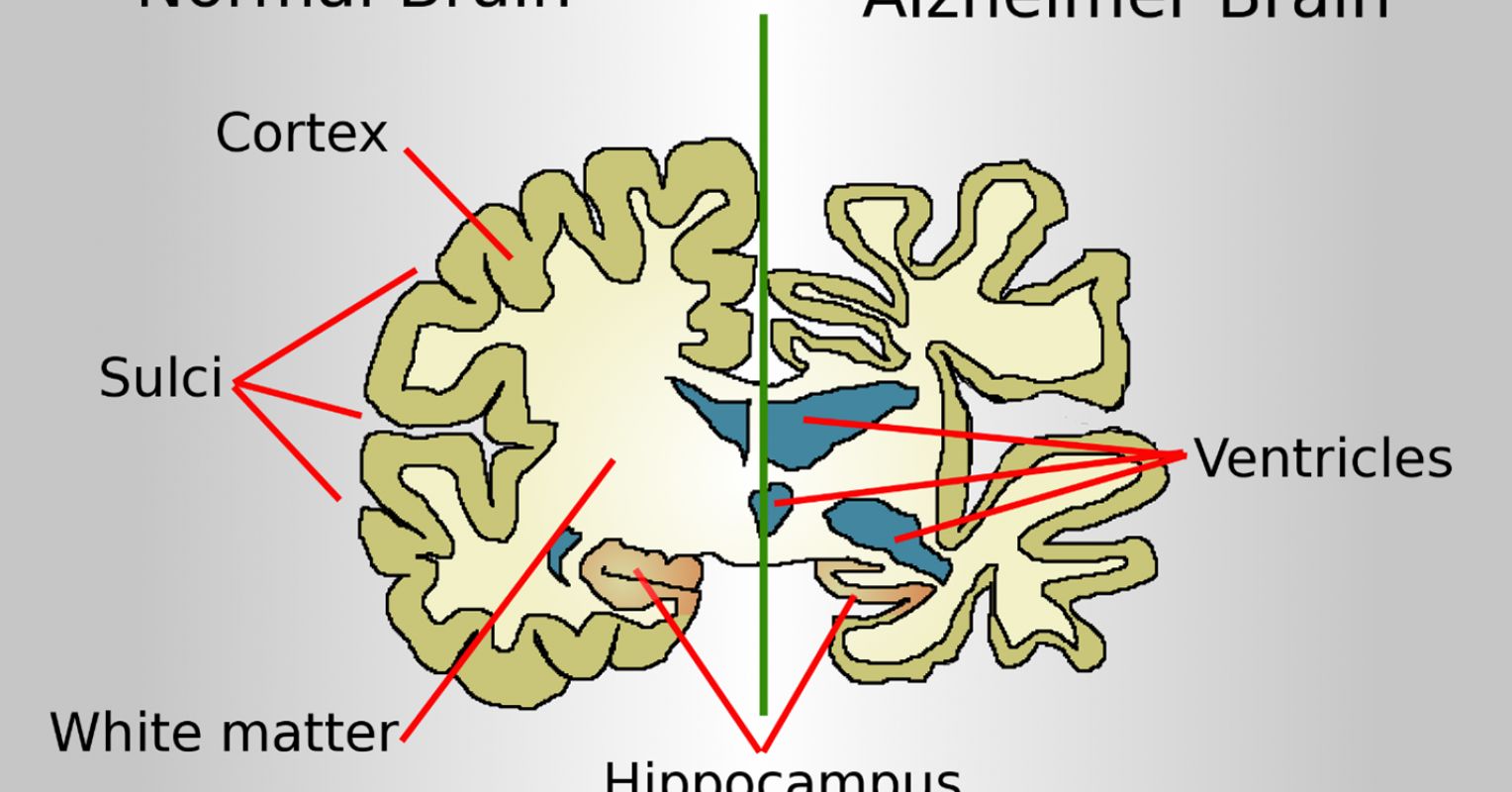
Cognitive decline and dementia are not inevitable outcomes of aging; some individuals develop Alzheimer's-associated brain changes without cognitive impairment. Alzheimer's disease features accumulation of amyloid plaques and neurofibrillary tangles that alter cell function and lead to cell death, although the timing and causes remain unknown. Approximately 6.7–6.9 million Americans aged 65+ have Alzheimer's, about 11% of older adults, and many people fear the disease. Variability in clinical expression suggests resilience factors. Experimental mouse research found that P7C3-A20 restored NAD+ balance, reversed Alzheimer's-like pathology, and improved cognition, indicating potential avenues for preventing or reversing decline.
"AD is characterized by the buildup of what are known as amyloid plaques and neurofibrillary tangles in the brain, which change the way brain cells function and ultimately cause cell death. Exactly why, when, and in whom these brain changes will develop is still unknown. The accumulation of amyloid plaques and neurofibrillary tangles does seem to be age-related, but not everyone who develops plaques and tangles will also develop AD. Some individuals develop plaques and tangles but do not show any cognitive decline."
"Dementia is an umbrella term that includes several different types of age-related cognitive decline. The subtypes of dementia include Alzheimer's disease (AD), which is the most common type and probably the most well-known. Other types of dementia (Lewey-body dementia, frontotemporal dementia, and vascular dementia) are less common, less well-known, and are associated with different characteristics and causes than those seen in AD."
#alzheimers-disease #cognitive-resilience #amyloid-plaques-and-neurofibrillary-tangles #p7c3-a20--nad-restoration
Read at Psychology Today
Unable to calculate read time
Collection
[
|
...
]