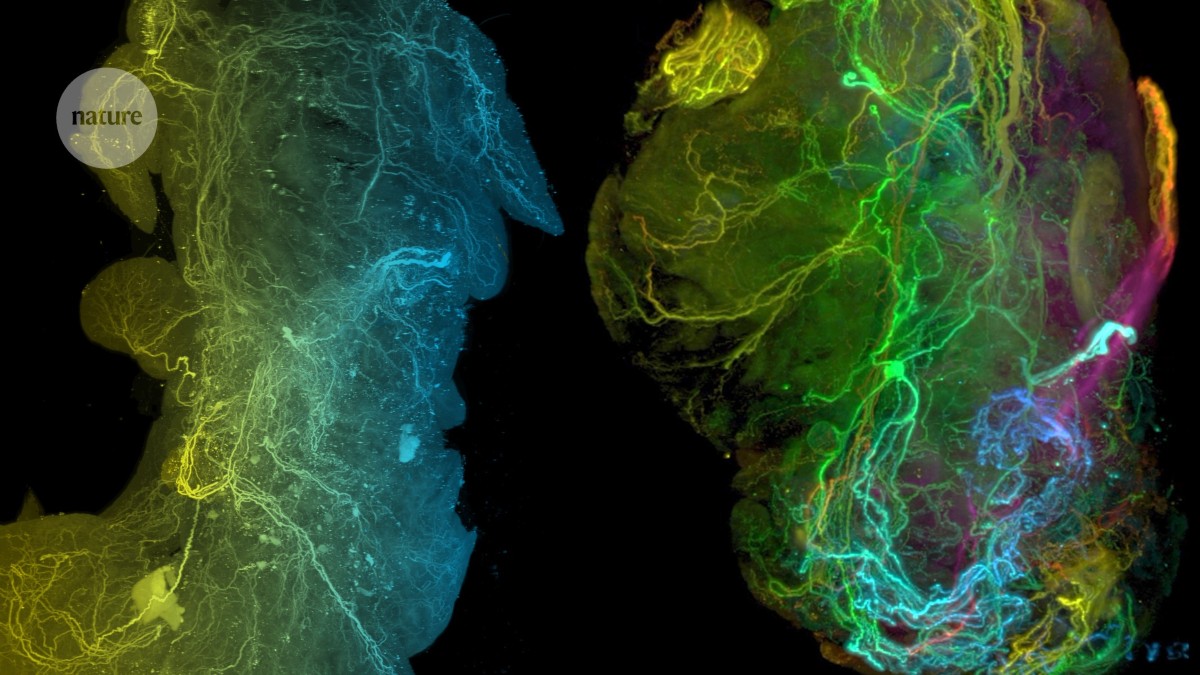
"When Jami Saloman gave capsaicin, the molecule that gives peppers their signature spice, to newborn mice in 2015, she expected that it would ease the pain of the pancreatic tumours that the mice were bred to develop. The mice had a mutation that is present in 90% of people with pancreatic adenocarcinoma (PDAC), the most lethal form of the cancer. Typically, these mice develop precancerous lesions by eight weeks of age and survive little more than a year."
"Surprisingly, it seemed to do much more than that. None of the mice given capsaicin developed pancreatic cancer, even after nearly 19 months. "We were really shocked," says Saloman, who is now a neurobiologist at the University of Pittsburgh in Pennsylvania. And "it completely changed the trajectory of my career", she says. Saloman had stumbled into the field of cancer neuroscience, in which researchers were just beginning to investigate the relationship between cancer and the nervous system."
Capsaicin administered to newborn mice prevented pancreatic cancer development in mice genetically predisposed to pancreatic adenocarcinoma. The mice carried a mutation found in 90% of human PDAC cases and normally develop precancerous lesions by eight weeks and survive little more than a year. High doses of capsaicin block sensory nerve signals and in the experiment appeared to halt tumor progression. Sensory nerves occupy the tumour microenvironment and influence cancer survival, growth and metastasis. Pancreatic cancer cells commonly invade nerves, overexpress neuronal-function genes, alter nerve–immune communication, and extract amino acids from neurons. The nervous system thus plays a central role in pancreatic cancer biology.
Read at Nature
Unable to calculate read time
Collection
[
|
...
]