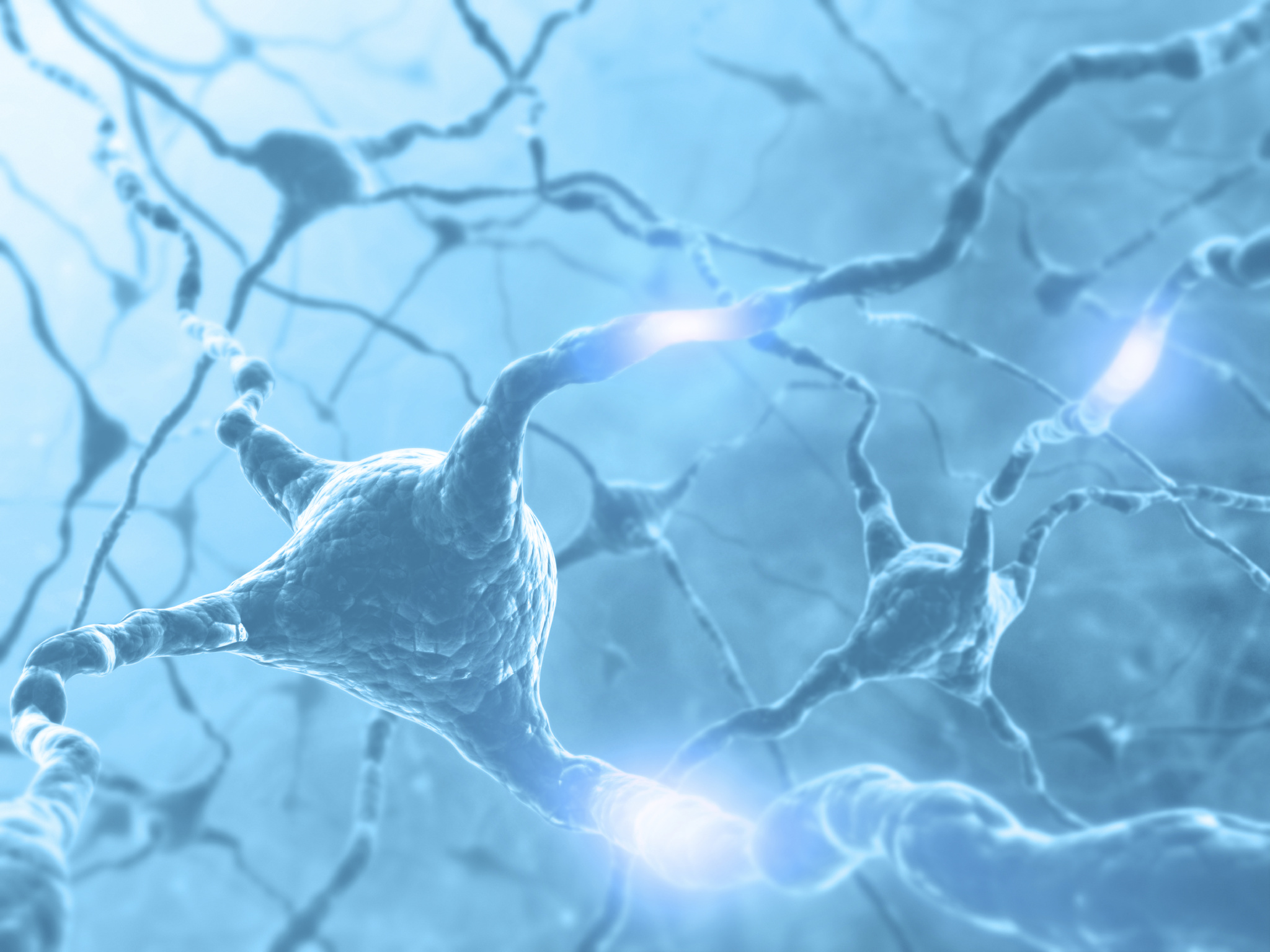
"Pelizaeus-Merzbacher disease (PMD), a rare genetic disorder that disrupts brain myelination and leads to severe neurological impairment, is caused by mutations in the PLP1 gene, which results in the death of oligodendrocytes - cells responsible for producing myelin, the protective sheath around nerve fibers. In its most severe forms, PMD disrupts normal development and is usually fatal in early childhood. Currently, there is no cure, and treatment consists of managing symptoms."
""The ISR provides transient protection to cells to various stresses, but we speculated that its constant activation due to the continuous production of mutant PLP, could be detrimental to the affected cells," said Popko, who is also Scientific Director of MS and Neuroimmunology within The Ken & Ruth Davee Department of Neurology's Division of Multiple Sclerosis and Neuroimmunology."
"They found that disabling PERK, a key ISR-triggering enzyme, significantly extended the lifespan of the mice by improving oligodendrocyte survival and boosting myelination."
Pelizaeus-Merzbacher disease (PMD) is an X-linked leukodystrophy caused by PLP1 mutations that lead to oligodendrocyte death and failed myelination, often fatal in early childhood. A mouse model demonstrated chronic activation of the integrated stress response (ISR) by mutant PLP proteins. Transient ISR activity protects cells, but persistent ISR activation can be harmful to oligodendrocytes. Disabling PERK, an enzyme that triggers the ISR, markedly extended lifespan in the mouse model by improving oligodendrocyte survival and increasing myelination. PERK inhibition emerges as a promising therapeutic avenue for PMD.
#pelizaeus-merzbacher-disease #plp1-mutations #integrated-stress-response-isr #perk-inhibition #oligodendrocyte-survival
Read at News Center
Unable to calculate read time
Collection
[
|
...
]