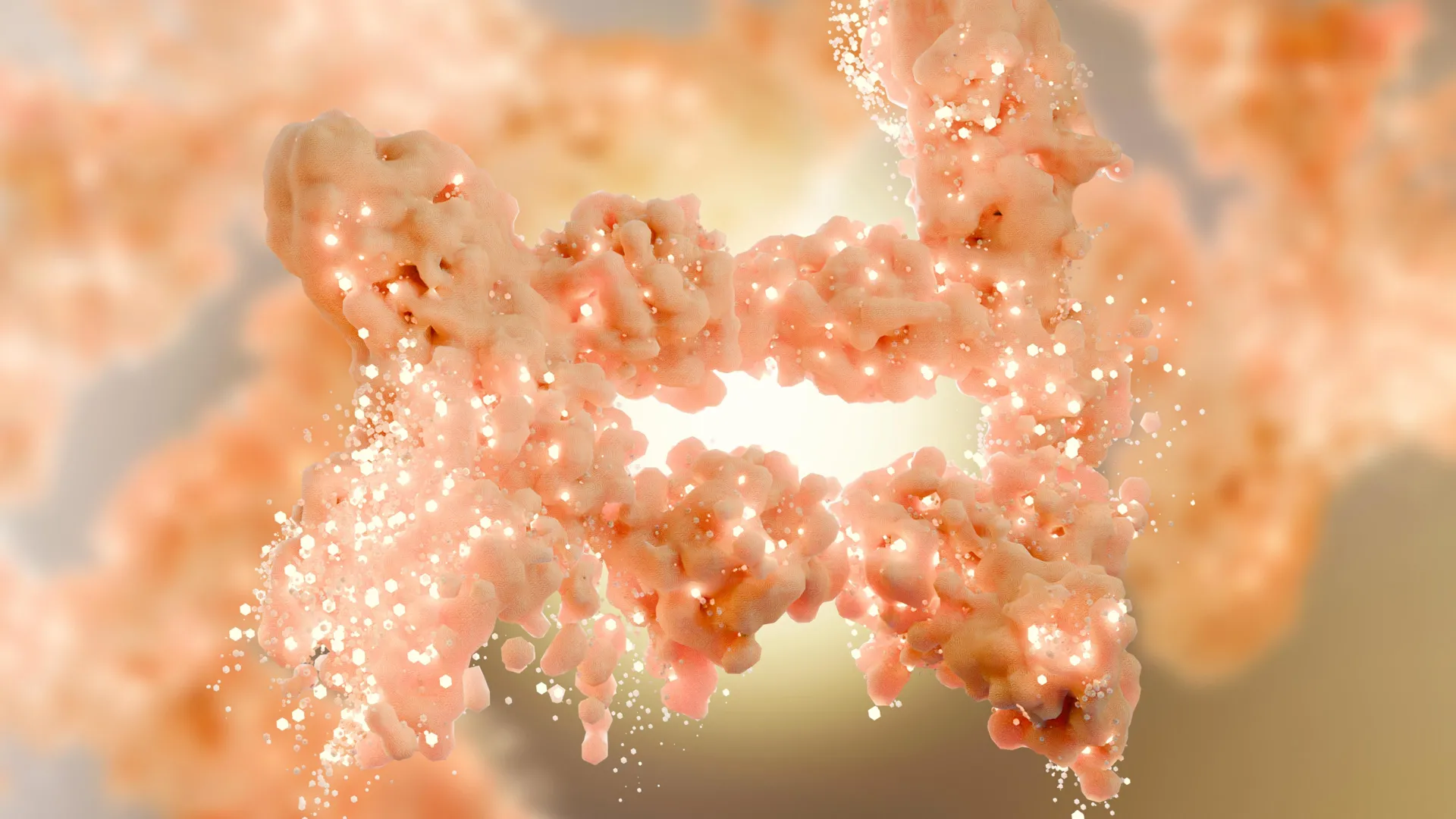
"For decades, scientists believed they understood one of the body's key fat-burning proteins. Known as hormone-sensitive lipase, or HSL, the enzyme was thought to work mainly as the body's emergency fuel switch, helping release stored fat when energy runs low. But researchers uncovered something unexpected. HSL was not just working on the surface of fat droplets inside fat cells. It was also operating deep inside the nucleus of those cells, where DNA is stored and important genetic activity is controlled."
"The discovery revealed an entirely different side to a protein scientists had studied since the 1960s. The findings, published in Cell Metabolism, helped solve a long-standing mystery in obesity research and opened new directions for understanding diabetes, heart disease, and other metabolic disorders. Fat cells, also called adipocytes, are often viewed as passive storage containers for excess calories. In reality, they are highly active cells that help regulate the body's entire energy system."
"Inside adipocytes, fat is stored in structures called lipid droplets. When the body needs fuel between meals or during fasting, hormones such as adrenaline trigger the release of that stored energy. HSL plays a central role in this process by breaking down triglycerides into fatty acids that other organs can use for fuel. Scientists long assumed that removing HSL would prevent fat breakdown and lead to obesity. Surprisingly, that is not what happened."
"Studies in both mice and people with mutations in the HSL gene showed the opposite effect. Instead of accumulating extra fat, they developed lipodystrophy, a rare condition in which the body loses healthy fat tissue. That contradiction puzzled researchers for years. Obesity and Dangerous Fat Loss Share"
Hormone-sensitive lipase (HSL) was long viewed as an enzyme that releases stored fat by breaking down triglycerides in fat cells when energy is needed. New findings show HSL also localizes to the nucleus of adipocytes, where DNA is stored and genetic activity is regulated. This unexpected nuclear role helps resolve a contradiction in obesity research. Removing or disrupting HSL was expected to block fat breakdown and cause obesity, but studies in mice and people with HSL gene mutations instead showed lipodystrophy, characterized by loss of healthy fat tissue. The results connect adipocyte nuclear protection to broader metabolic disorders, including diabetes and heart disease.
#adipocytes #hormone-sensitive-lipase-hsl #nuclear-protein-localization #obesity-and-lipodystrophy #metabolic-disorders
Read at ScienceDaily
Unable to calculate read time
Collection
[
|
...
]