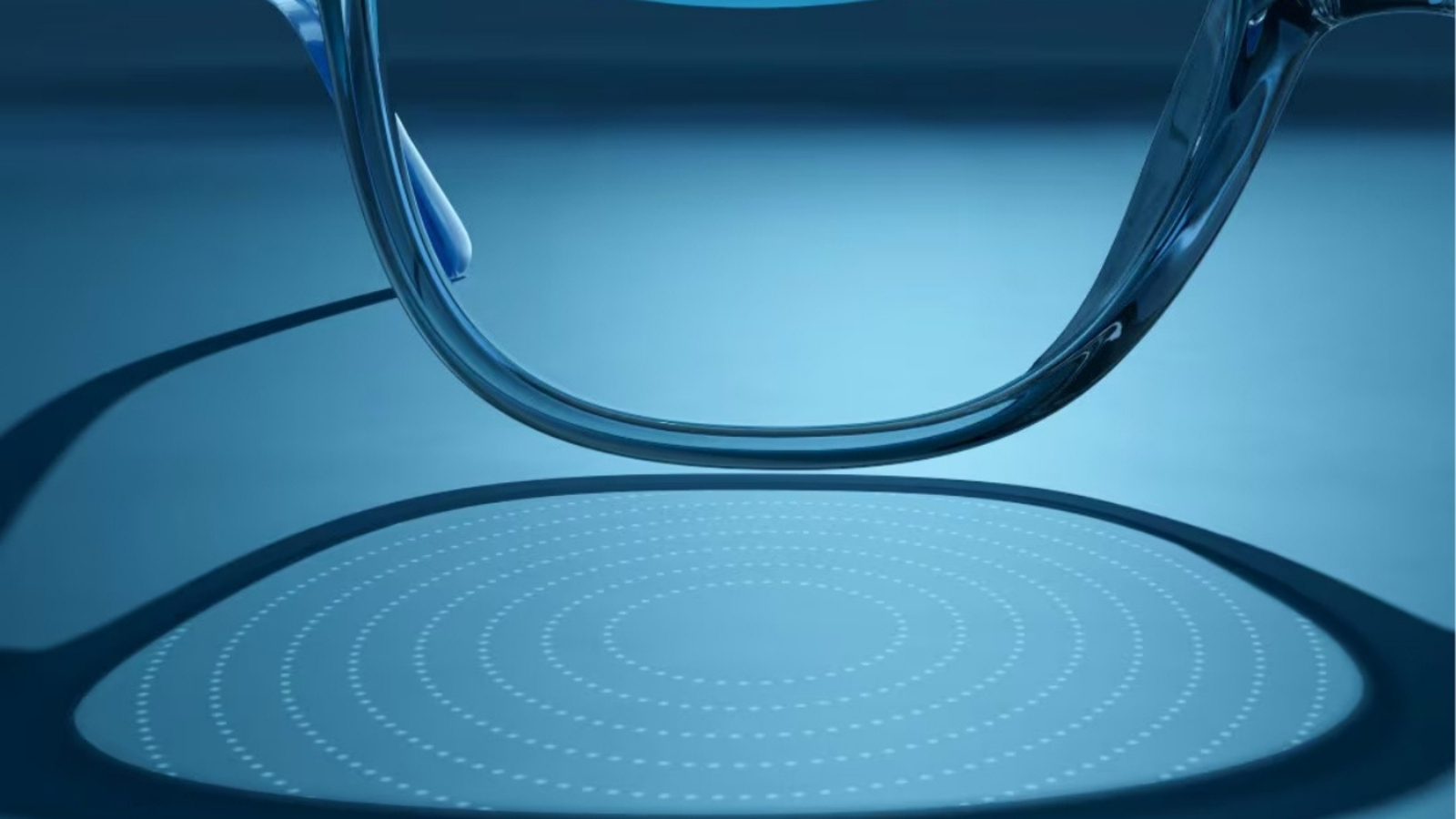
"WASHINGTON -- For many children, the experience of getting their first pair of glasses is an inevitable milestone, the first in a lifetime of visits to the eye doctor. But what if those lenses could actually help preserve the child's vision and reduce the chances for more serious eye problems in adulthood? That's the promise of a new type of lens approved by the Food and Drug Administration in September. While the technology has previously been available in Europe, Asia and other parts of the world, it's now rolling out in the U.S."
"Myopia, commonly called nearsightedness, is when people can clearly see objects at close range but struggle with distant objects, which often appear blurry or indistinct. Studies conducted around the world have shown rising rates of myopia, which researchers have associated with increased time indoors looking at screens, books and other objects held close to the eyes. In the U.S., 30% to 40% of children will have myopia by the time they finish high school, according to Dr. Michael Repka, a professor and pediatric ophthalmologist at the Johns Hopkins School of Medicine."
"The specialized glasses, sold under the brand Essilor Stellest, are approved by the FDA to slow nearsightedness in 6- to 12-year-olds. The FDA said it cleared the lenses based on company data showing children experienced a 70% reduction in the progression of their myopia after two years. Over time, myopia causes the eye to grow longer, worsening vision and increasing the risk of tears to the retina - the light-sensitive tissue at the back of the eye that is essential for vision."
Myopia, or nearsightedness, causes clear near vision but blurred distance vision and has been increasing globally. Rising myopia rates have been linked to more time spent indoors on screens, books and other close-up tasks. In the United States, 30% to 40% of children are expected to be myopic by the end of high school. Traditional treatment mainly provided corrective lenses without slowing progression. The FDA approved Essilor Stellest lenses for children ages 6 to 12 after company data showed a 70% reduction in myopia progression over two years. Myopia can lengthen the eye and increase the risk of retinal tears and long-term vision problems.
Read at ABC7 Los Angeles
Unable to calculate read time
Collection
[
|
...
]