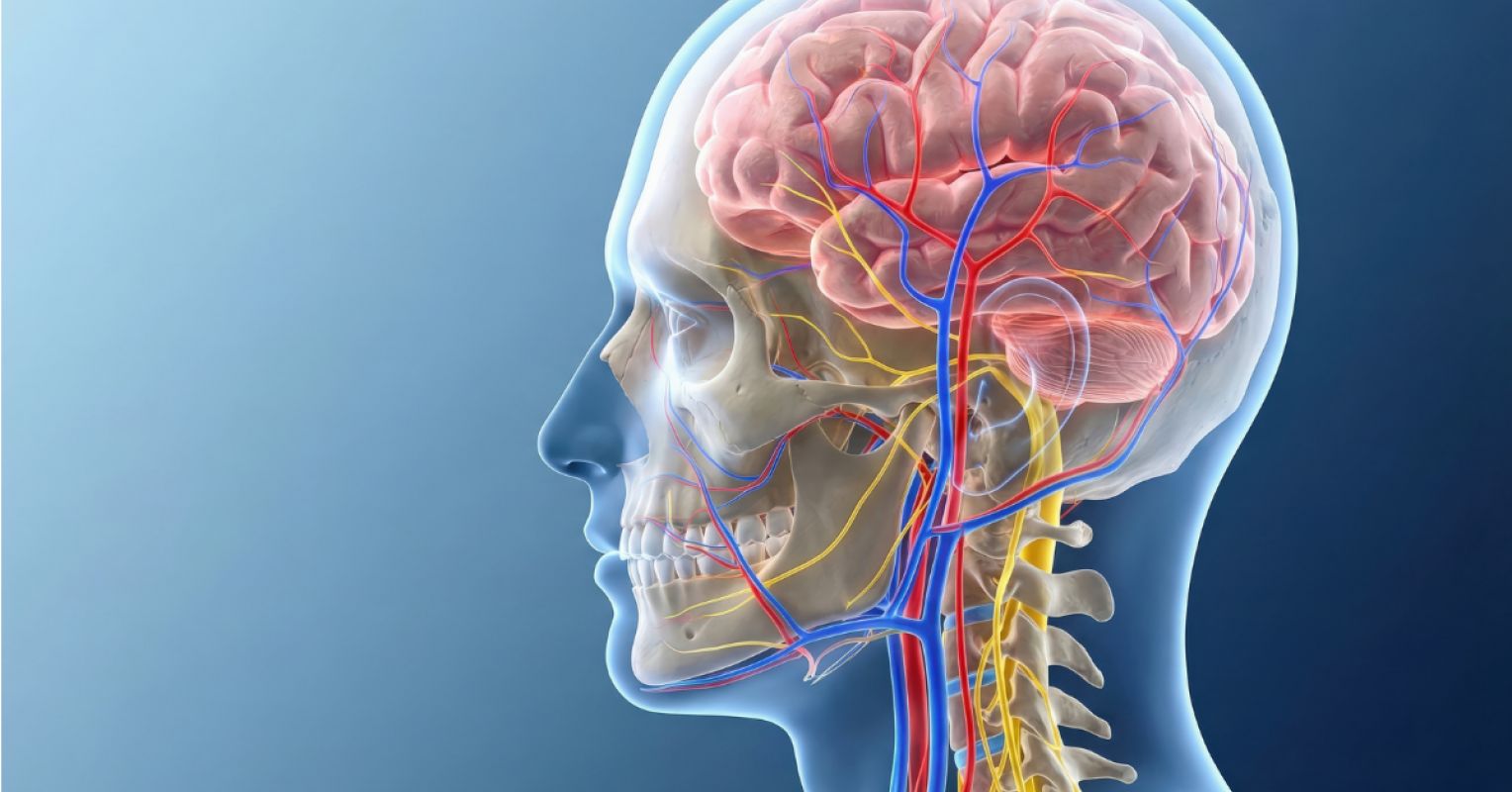
Autoimmune encephalitis is an immune-mediated brain inflammation that presents with varied symptoms often mistaken for psychiatric or other common conditions. The immune system reacts to brain function proteins, causing acute confusion, seizures, abnormal movements, sleep disruption, speech changes, and memory problems. Psychiatric symptoms frequently dominate early presentation, including paranoia, hallucinations, bizarre beliefs, agitation, catatonia, and behavioral changes. Patients often present first to psychiatry or other non-neurological services because symptoms mimic common psychiatric conditions. Diagnostic delays result in delayed treatment initiation, worsening outcomes. Awareness of autoimmune encephalitis must be balanced with careful testing to avoid harmful over-diagnosis and inappropriate treatment.
"Autoimmune encephalitis is an immune-mediated inflammation of the brain. It tends to present in a number of recognisable patterns, but these patterns themselves can be quite varied and, problematically for doctors, these patterns are frequently more commonly seen in branches of medicine other than neurology. That means diagnosis can be tricky, and that in turn means that there can sometimes be a considerable delay between the time that the symptoms first come on and the time that the diagnosis is correctly made."
"In autoimmune encephalitis, the immune system starts reacting to proteins involved in brain function. People can become acutely confused or frightened. They can develop seizures, abnormal movements, sleep disruption, changes in speech, or memory problems. In some cases, psychiatric symptoms dominate early: paranoia, hallucinations, bizarre beliefs, agitation, catatonia, behavioural change."
#autoimmune-encephalitis #psychiatric-symptoms #diagnostic-delay #immunopsychiatry #neurological-disease
Read at Psychology Today
Unable to calculate read time
Collection
[
|
...
]