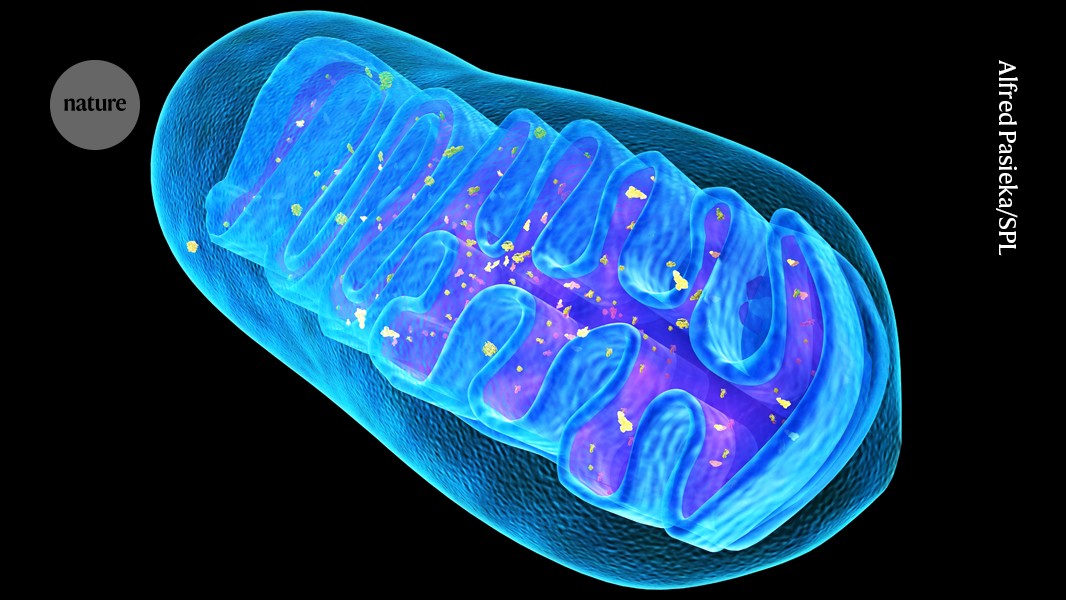
"When mitochondria are exposed to tissue or blood, they lose the electrical gradient across their outer membrane. Mitochondria that lack such a gradient are recognized by a cell's internal machinery as damaged and quickly destroyed. The vast majority of previous studies involved injecting 'naked' mitochondria directly into the bloodstream or tissue sites, but the approach isn't very efficient, so researchers often have to use 'ridiculous' doses of mitochondria."
"A mitochondrion wrapped in the membrane of a red blood cell can enter a cell without triggering protective mechanisms that would typically destroy the organelle. The technique 'hugely' increased the efficiency of the treatment compared with previous methods. The difference is like 'night and day'."
"Mitochondria are cellular substructures that produce fuel to power cellular activity. They have their own genomes, and mutations in their DNA cause diseases such as Leigh syndrome, a rare and often fatal disorder that usually strikes during early childhood."
Scientists developed a technique to transplant healthy mitochondria into cells with defective mitochondria by wrapping them in red blood cell membranes. This disguise prevents the cell's protective mechanisms from destroying the transplanted organelles, dramatically improving treatment efficiency compared to previous methods. The approach was tested on mice with mitochondrial diseases and extended their lifespan. Mitochondria normally lose their electrical gradient when exposed to tissue or blood, triggering cellular destruction mechanisms. The new cloaking method overcomes this barrier, eliminating the need for excessive doses of naked mitochondria. While researchers acknowledge this as a significant advance, some express skepticism about certain conclusions, particularly regarding disease prevention claims.
#mitochondrial-transplantation #gene-therapy #red-blood-cell-membrane-cloaking #mitochondrial-disease-treatment #cellular-engineering
Read at Nature
Unable to calculate read time
Collection
[
|
...
]