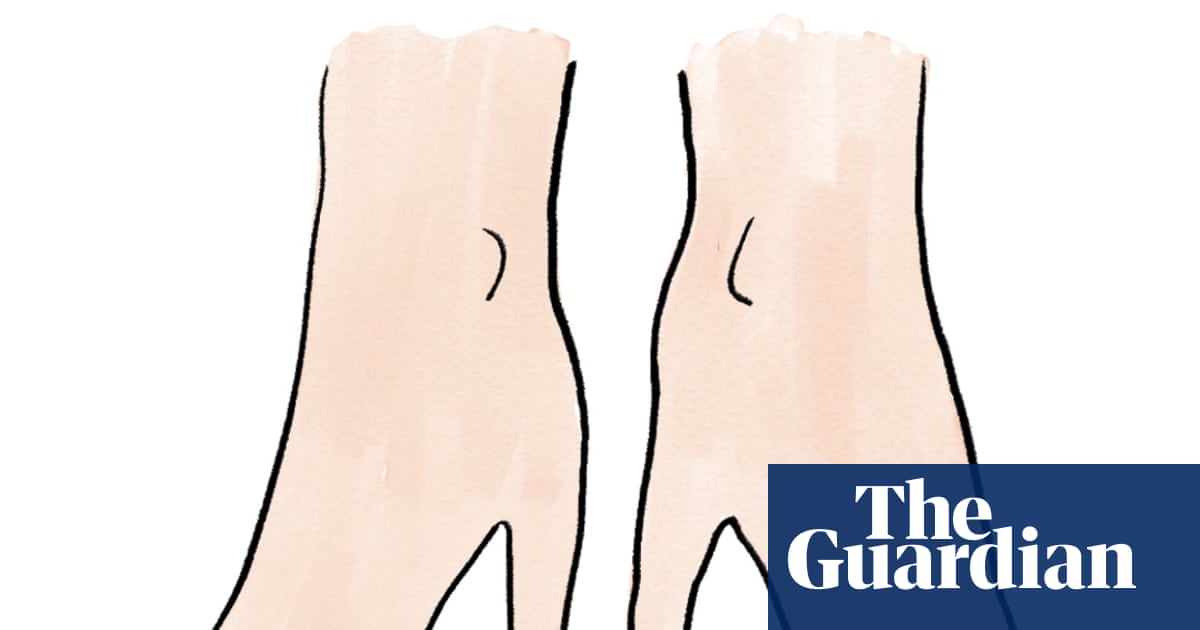
"If you'd asked me that 15 years ago, I would have said: Absolute nonsense it's all genetics and shoes aren't responsible for any problem,' says Andrew Goldberg, consultant orthopaedic foot and ankle specialist at the Wellington hospital in London. But viewing 3D scans that show how people's feet look while standing in their shoes changed his mind completely. He took two scans of a person's feet one barefoot and one in high heels and the difference was striking."
"All shoes, Goldberg says, influence foot shape to some degree, gradually steering the toes closer together and narrowing the foot profile. Tight or pointed shoes make this worse, and many people wear shoes that are too small for them. If you're a high-heel wearer, Goldberg recommends doing simple daily foot exercises, such as picking up objects with your toes or walking around barefoot on your tiptoes for a minute, to keep the feet flexible and the muscles strong."
3D scans show high heels distort foot anatomy, crowding toes and causing bunions and clawed toes that grip for balance. Prolonged wearing of heels for hours daily causes soft-tissue stretching, bunions, hammer toes, and eventual wear-and-tear arthritis. All shoes influence foot shape to some degree, with tight or pointed shoes worsening toe crowding and narrowing the foot profile. Many people wear shoes that are too small. Simple daily foot exercises, such as picking up objects with the toes or brief tiptoe walking barefoot, help keep feet flexible and muscles strong. Occasional heel wear is acceptable; avoid constant daily use.
Read at www.theguardian.com
Unable to calculate read time
Collection
[
|
...
]