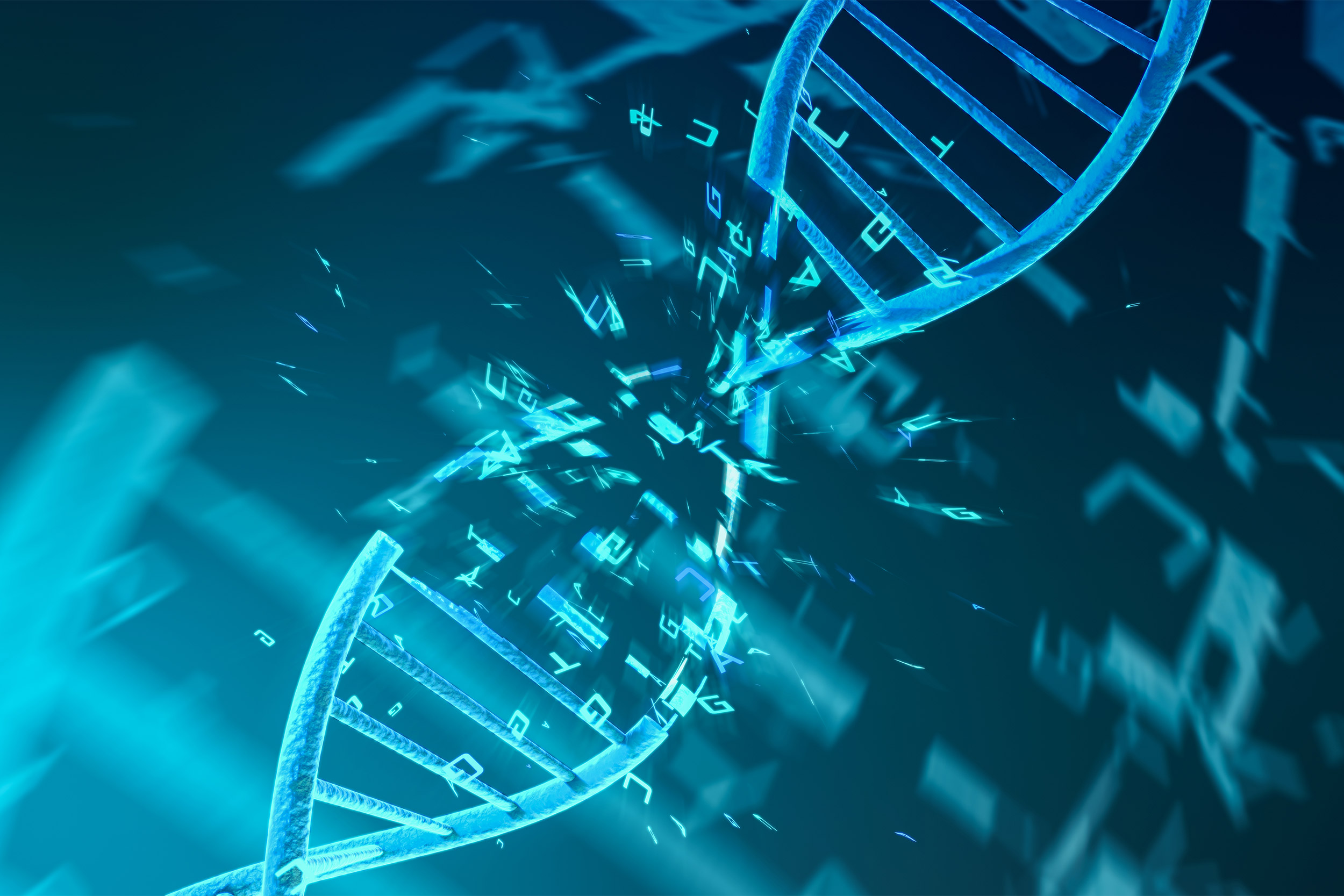
Colibactin is a chemically unstable natural toxin produced by common gut bacteria that forms inter-strand cross-links within cellular DNA. Inter-strand cross-links covalently connect both strands of the double helix, creating lesions that block DNA unwinding and replication. Replication blockage from these cross-links can cause chromosome breaks, error-prone repair, and accumulation of mutations that contribute to colorectal cancer. Structural characterization of the colibactin-induced DNA lesion clarifies the molecular mechanism of mutation formation and identifies colibactin as a potential preventive target against colorectal cancer.
"For years, a mysterious bacterial toxin lurking in the human gut was suspected of driving colorectal cancer. Now researchers in a pair of Harvard labs have caught the toxin in the act of damaging DNA and creating the very sorts of mutations long implicated in the disease. The new study, published Thursday in Science, is the first to detail the structure of the DNA lesion formed by colibactin, a natural product toxin made by common gut bacteria."
""This molecule has been really challenging to study because it's very chemically unstable," said Balskus, the Thomas Dudley Cabot Professor of Chemistry. The findings, enabled by National Institutes of Health funding that was terminated and later restored, suggest colibactin may be a promising target for prevention of the deadly disease. The major form of DNA in our cells is a double helix: two strands twisted together. Many carcinogens damage one strand or the other, but colibactin does something more extreme - it creates a cross-link."
""An inter-strand cross-link means that your DNA-damaging agent reacts with both strands of DNA," Balskus said. "It links the two strands of DNA together, creating a particularly toxic form of DNA damage to the cell." This kind of a lesion can lead to broken chromosomes, faulty repair, and potentially cancer‑causing mutations. "Every time the cell is trying to make a DNA copy out of its genome, it needs to unwind the two strands," said D'Souza, professor of molecular and cellular biology. "The cross-link causes a major hurdle for replication.""
Read at Harvard Gazette
Unable to calculate read time
Collection
[
|
...
]