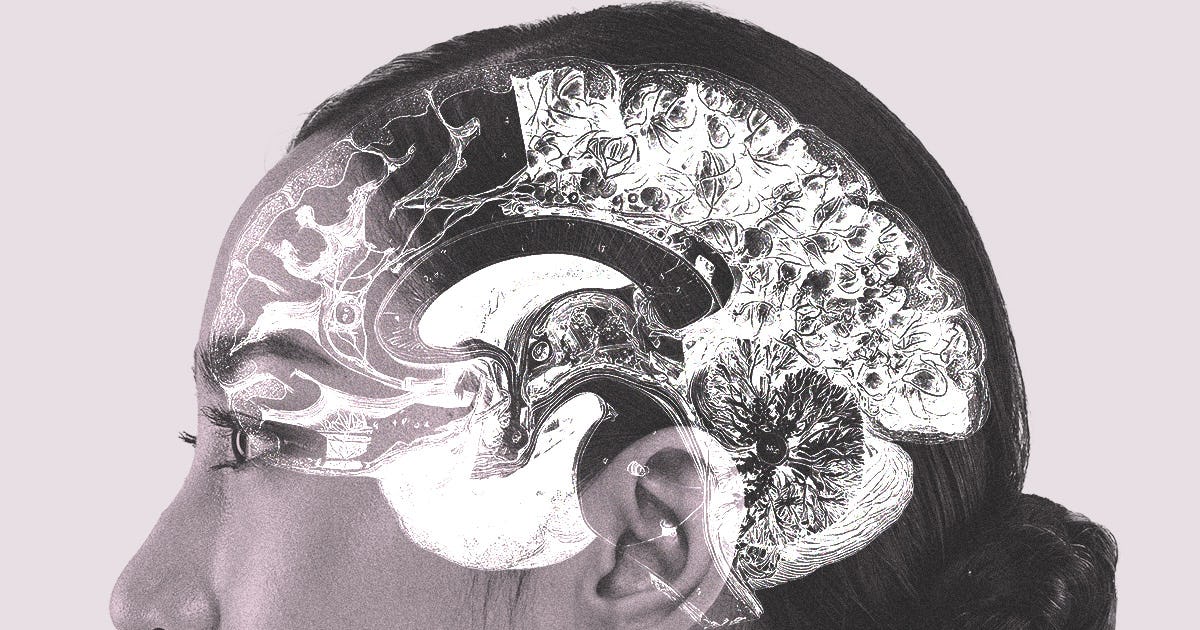
"If you get migraines, you already know they don't just stay in your head. The pounding pain might be the headline symptom, but the real story is how an attack can throw your entire body out of whack - making light feel blinding, everyday sounds unbearable, and even simple texts impossible to answer. That's because a migraine isn't just about sore neck muscles or scalp tension. It's a full-body neurological event, driven by a cascade of changes in the brain."
"Experts now understand migraine as a complex neurological condition rooted in how the brain functions - not simply a stress headache or something you can push through with enough water and willpower. From subtle early warning signs like mood changes and fatigue to the post-migraine brain fog that can linger for hours (or days), an attack reflects a brain-wide shift."
Migraines begin with increased activation of the hypothalamus, sometimes occurring up to two days before pain onset, altering temperature, hunger, sleep cycles, and other homeostatic functions. As nerve pathways fire differently and brain chemicals shift, systems that control pain, mood, digestion, and sensory processing can become disrupted simultaneously. Manifestations include extreme light sensitivity, sound intolerance, mood changes, fatigue, and post-migraine brain fog that can last hours or days. Migraines are therefore complex neurological events rooted in brain function rather than simple stress headaches, and cerebral blood flow changes into the hypothalamus contribute to the systemic symptoms that precede and accompany attacks.
Read at Bustle
Unable to calculate read time
Collection
[
|
...
]