"Apixaban is an alternative to medicines like warfarin for those people who have, or may be at risk of, atrial fibrillation, as well as those who have had a heart attack or stroke. It is by far the most frequently prescribed direct-acting oral anticoagulant or DOAC in England, with millions of prescriptions given out each year. It is part of a group of anticoagulant drugs credited by the NHS with saving thousands of lives each year."
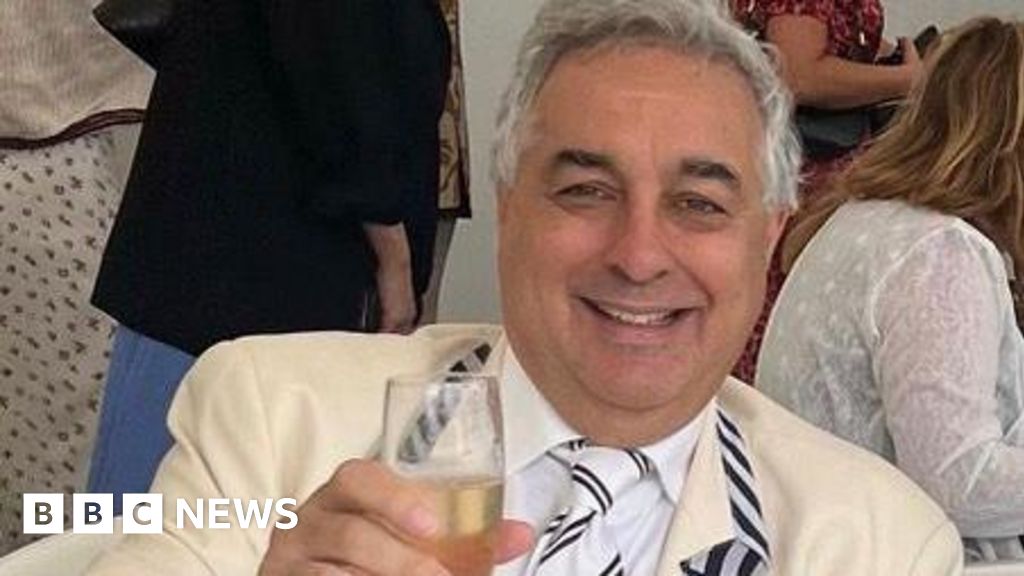
"Clive Hyman was 64 years old and had only been married four years. Despite being relatively fit and healthy for his age, he died suddenly, days after a seemingly minor trip on some stairs. "Clive loved rugby and cricket. He played enthusiastically. He had had some heart problems in the past but he took his health incredibly seriously," explained his widow Rachel Hyman. "He was going to the gym five times a week, he was eating a very healthy diet.""
"In Clive's case, despite having no head injury symptoms as a result of his fall, he suddenly became ill days later with a severe headache and extremely high blood pressure. Clive had suffered a bleed on the brain and fell into a coma. He then had a stroke and never regained consciousness. He died on 10 August 2025. His widow believes that had he known the risk of bleeding on the brain if he continued to take apixaban after his fall, he would have stopped taking it and gone to the hospital to be monitored, even without symptoms."
Clive Hyman, 64, died days after a minor trip on stairs despite being fit and health-conscious. He participated in sports and maintained regular exercise and a healthy diet. He was taking apixaban, a widely prescribed direct-acting oral anticoagulant (DOAC) used for atrial fibrillation and to prevent stroke or heart-attack-related clots. Apixaban is credited with saving lives but carries bleeding risks. After the fall Clive had no immediate head-injury symptoms but became acutely unwell days later with severe headache and very high blood pressure, suffered a brain bleed, fell into a coma, and died on 10 August 2025. A coroner raised concerns about whether warnings to older patients about asymptomatic bleeding were clear enough, and his widow believes clearer warnings might have prompted monitoring or stopping the medication.
Read at www.bbc.com
Unable to calculate read time
Collection
[
|
...
]