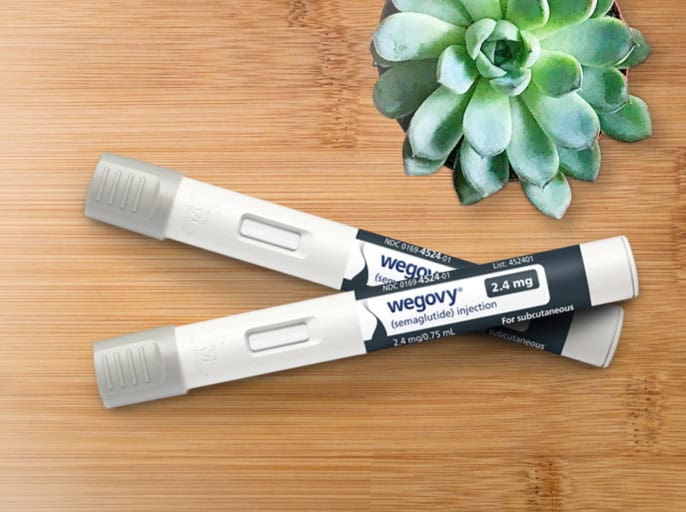
GLP-1 receptor medications originally developed to treat diabetes have produced significant unintended weight loss, driving widespread demand for drugs such as Ozempic, Wegovy, Mounjaro and Zepbound. An estimated 12%, roughly 31 million U.S. adults, are reportedly using GLP-1 drugs. Manufacturers Novo Nordisk and Eli Lilly have seen stock gains tied to increased sales. Thousands of plaintiffs have filed suits alleging serious adverse effects. About 3,300 lawsuits from over 4,400 plaintiffs are pending against those manufacturers. Approximately 75% of the lawsuits allege gastroparesis. Reported adverse events include severe, potentially debilitating or fatal outcomes.
"One of the biggest trends in the fight against obesity has been the explosion in popularity of GLP-1 medications. Created to treat diabetes, patients who were prescribed the popular GLP-1 drugs Ozempic, Mounjaro, Wegovy and others also discovered a surprising side benefit: significant weight loss. This has led to an explosion of people clamoring for GLP-1 drugs to treat obesity, and those drugs' manufacturers have all seen their stock prices rise in conjunction with the surge in demand and subsequent sales."
"However, like all pharmaceuticals, there are significant side effects that can affect a wide range of people, and GLP-1 drugs are not exempt. Some 3,300 lawsuits from over 4,400 plaintiffs are now on dockets throughout the US against Novo Nordisk (NYSE: NVO) and Eli Lilly (NYSE: LLY), and it's very likely more will follow, since the popularity of GLP-1 drugs have now spawned copycats in the markets."
"If one watches TV commercials for drug treatments, the amount of time devoted to risk disclaimers overshadow that of the actual drug promotion itself - a fact that has inspired SNL skits and other comedic moments. However, the disclaimers exist to give the manufacturers a liability "out" in the event of patient side effects that can range from debilitating to fatal."
Read at 24/7 Wall St.
Unable to calculate read time
Collection
[
|
...
]