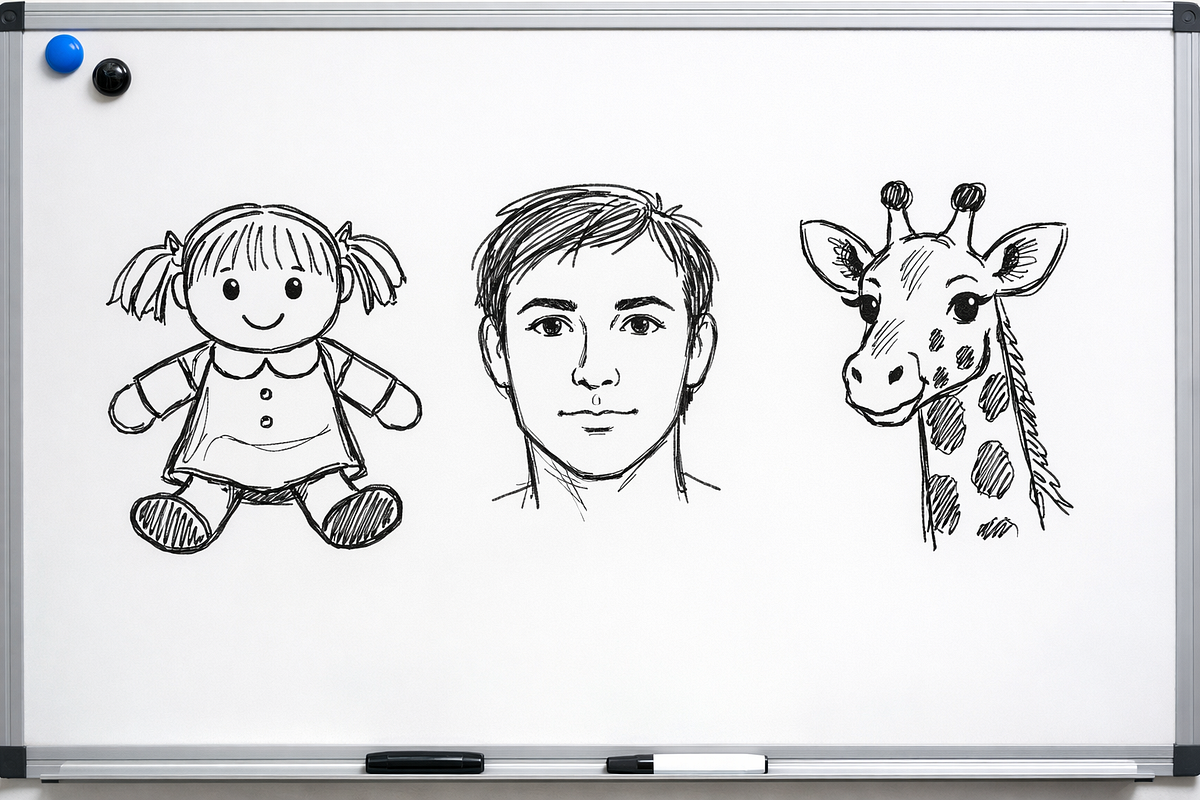
"Research tested three VR avatars with kids: a human, a giraffe, and a Muppet. I thought the Muppet would win because it's cute (well, I think so) and familiar to kids. The giraffe won. Researchers think social realism is one reason. Social realism means how closely something matches what kids experience in real life. A human has high social realism (kids see humans daily)."
"The giraffe hit the sweet spot: real enough to be believable, special enough to be exciting. As one kid said, "I have never seen one so it's really cool." The human character's high social realism created its own problem. Because humans' brains are so good at identifying faces, kids noticed and commented on every imperfection: "weird hair," "big head." They also found the eye movements unsettling."
VR in pediatric care is used to make treatments more engaging through gamification and to provide distraction during painful moments. Avatar appearance strongly influences children's emotional responses because emotions intensify in VR and children are still learning what is real. Tests compared human, giraffe, and Muppet avatars. The giraffe performed best by offering moderate social realism: believable but novel. Human avatars triggered focus on imperfections and unsettling eye movements. Muppet avatars felt unfamiliar and elicited descriptions like "weird" and "creepy." Choosing avatars that hit the realism sweet spot improves comfort and engagement for young patients.
Read at Medium
Unable to calculate read time
Collection
[
|
...
]