"Fecal transplants from old female mice appear to boost fertility and ovarian health in younger ones. The findings, detailed in a study published Tuesday in the journal Nature Aging, indicate a direct link between gut health and reproductive health in the animals. They could also hold implications for future research into how the microbiome influences ovarian function and fertility in humans."
"We went into the study expecting the old fecal microbiome would prematurely age the young ovaries. So we were very intrigued to see the opposite being true, suggesting that some very interesting biology was happening."
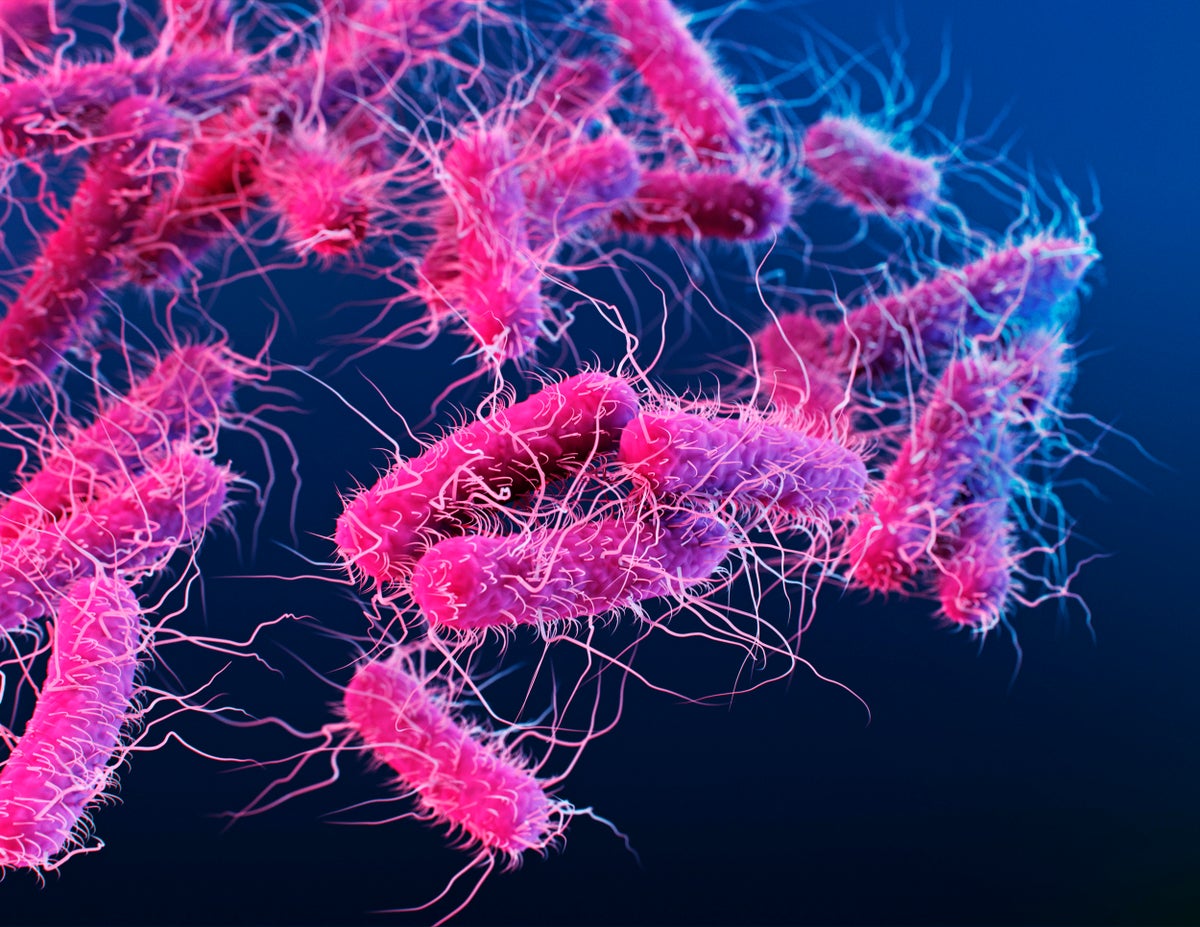
"Scientists already know that the microbiome—a collection of bacteria, organisms and viruses that live both on and inside the body—plays a role in myriad aspects of health, including reproduction and fertility."
Research published in Nature Aging demonstrates that fecal transplants from older female mice enhance fertility and ovarian health in younger mice, contrary to initial expectations. Scientists anticipated the older microbiome would prematurely age young ovaries, but instead observed beneficial effects. The study reveals a direct connection between gut health and reproductive function in animals. The microbiome—comprising bacteria, organisms, and viruses inhabiting the body—influences numerous health aspects including reproduction and fertility. These findings suggest significant biological mechanisms linking microbiome composition to ovarian function and may inform future human research on how gut bacteria affect fertility and reproductive health.
Read at www.scientificamerican.com
Unable to calculate read time
Collection
[
|
...
]