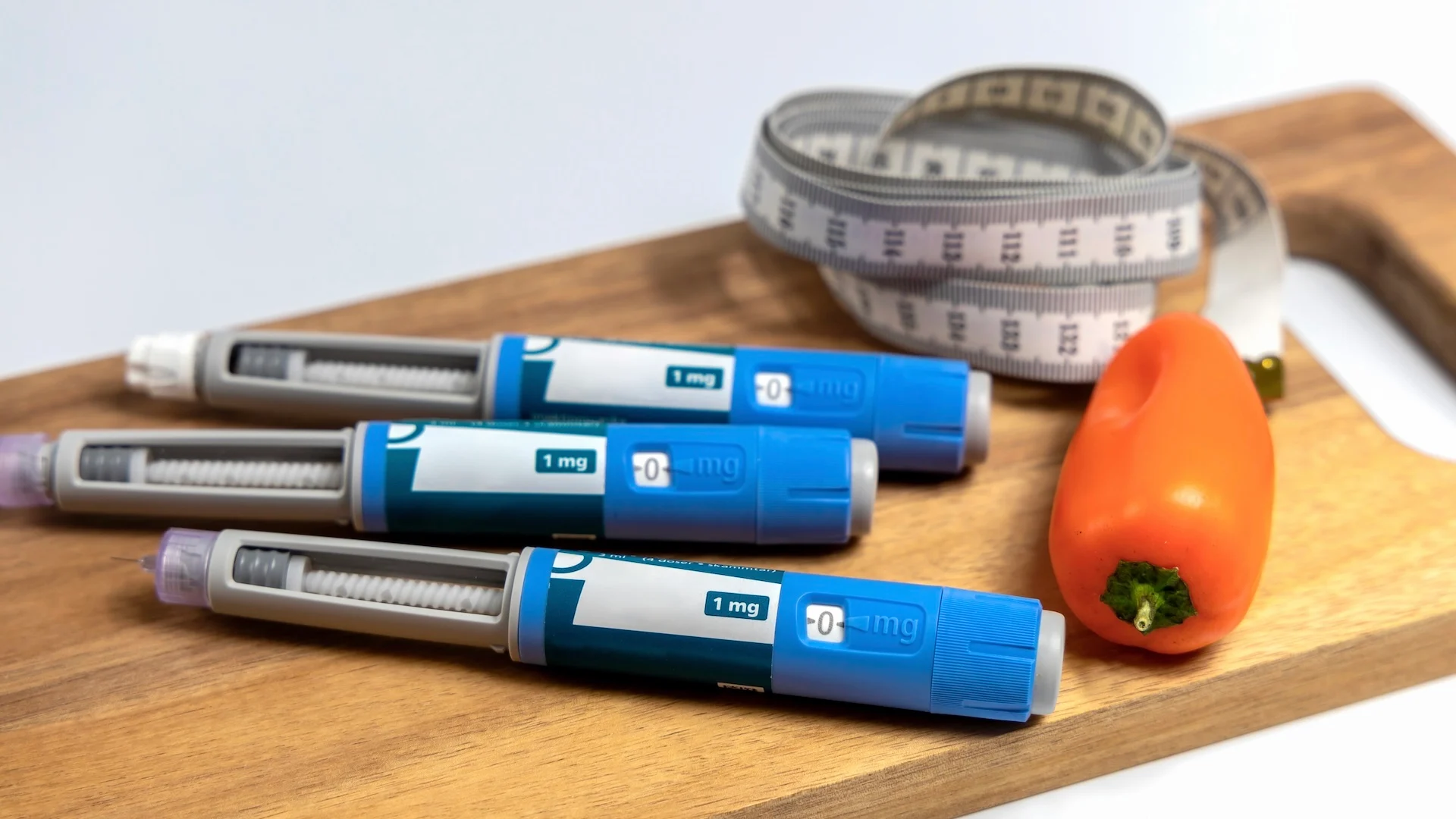
GLP-1 medications like Ozempic and Wegovy effectively reduce body weight by suppressing appetite, but research reveals critical nutritional gaps in their use. Australian dieticians found that most clinical trials fail to document what patients actually eat, leaving a significant evidence gap. Weight loss alone does not guarantee health or proper nutrition. Studies show alarming rates of malnutrition among GLP-1 users: over 20 percent developed nutritional deficiencies within 12 months, and 38 percent of pre-surgery patients experienced malnutrition compared to 8 percent of non-users. Severe vitamin deficiencies can manifest as serious conditions like scurvy, a vitamin C deficiency disease historically associated with pirates. Only two trials have recorded dietary intake among GLP-1 users, highlighting the urgent need for nutritional monitoring and guidance.
"A reduction in body weight does not automatically mean the person is well-nourished or healthy. Nutrition plays a critical role in health, and right now it's largely missing from the evidence. She added that only two trials had recorded or published what GLP-1 users were eating."
"A 2025 study of adults with type 2 diabetes found that more than 20 percent of participants had nutritional deficiencies after 12 months of GLP-1 use. And a study examining patients before joint surgery found that 38 percent of GLP-1 users suffered from malnutrition, versus 8 percent for patients not using GLP-1s."
"Last year, British pop artist Robbie Williams told The Mirror he had developed a '17th century pirate disease' after 'taking something like Ozempic.' He was referring to scurvy, a rare but serious vitamin C deficiency. In the worst cases, the illness can lead to death."
#glp-1-medications #nutritional-deficiencies #malnutrition #vitamin-deficiency-diseases #weight-loss-drug-safety
Read at Fast Company
Unable to calculate read time
Collection
[
|
...
]