"The patient, a once-healthy 33-year-old, arrived at the hospital with Influenza B complicated by a secondary, severe infection of Pseudomonas aeruginosa, a bacterium that in this case proved resistant even to carbapenems-our antibiotics of last resort. This combination of infections triggered acute respiratory distress syndrome (ARDS), a condition where the lungs become so inflamed and fluid-filled that oxygen can no longer reach the blood."
"In this case, the infections were necrotizing-the cells in the lungs were dying, turning his lung tissue into a liquid. The surgeons faced a seemingly impossible choice. The patient needed a transplant to survive, but he was in refractory septic shock. His kidneys were shutting down, and his heart was failing to the point where it completely stopped shortly after hospital admission. The doctors had to bring him back with CPR."
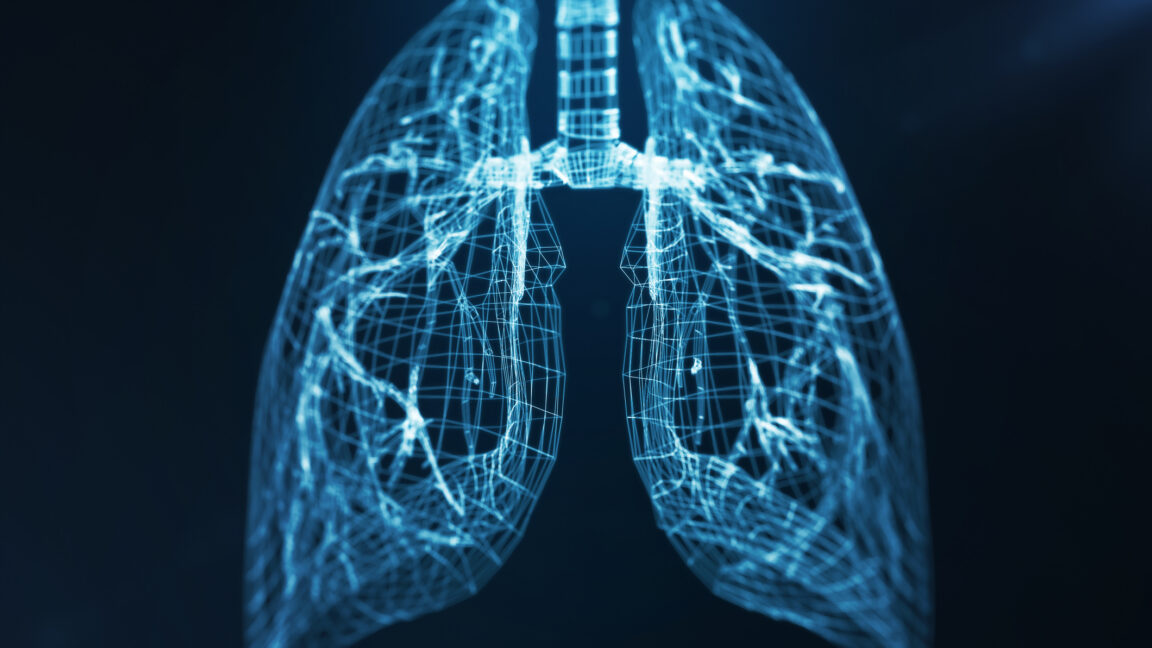
"The artificial lung system was built by the team of Ankit Bharat, a surgeon and researcher at Northwestern. It successfully kept a critically ill patient alive long enough to enable a double lung transplant, temporarily replacing his entire pulmonary system with a synthetic surrogate. The system creates a blueprint for saving people previously considered beyond hope by transplant teams."
A 33-year-old man developed Influenza B complicated by a secondary carbapenem-resistant Pseudomonas aeruginosa infection that triggered acute respiratory distress syndrome (ARDS). The infections were necrotizing and liquefied lung tissue, leaving the lungs as the infection source while the patient fell into refractory septic shock with kidney failure and cardiac arrest requiring CPR. Surgeons performed a bilateral pneumonectomy and used a custom-engineered artificial lung system built by Ankit Bharat's team at Northwestern to maintain oxygenation and circulation for 48 hours. The device temporarily replaced the entire pulmonary system and allowed time for a double lung transplant, offering a potential blueprint for treating previously untreatable patients.
Read at Ars Technica
Unable to calculate read time
Collection
[
|
...
]