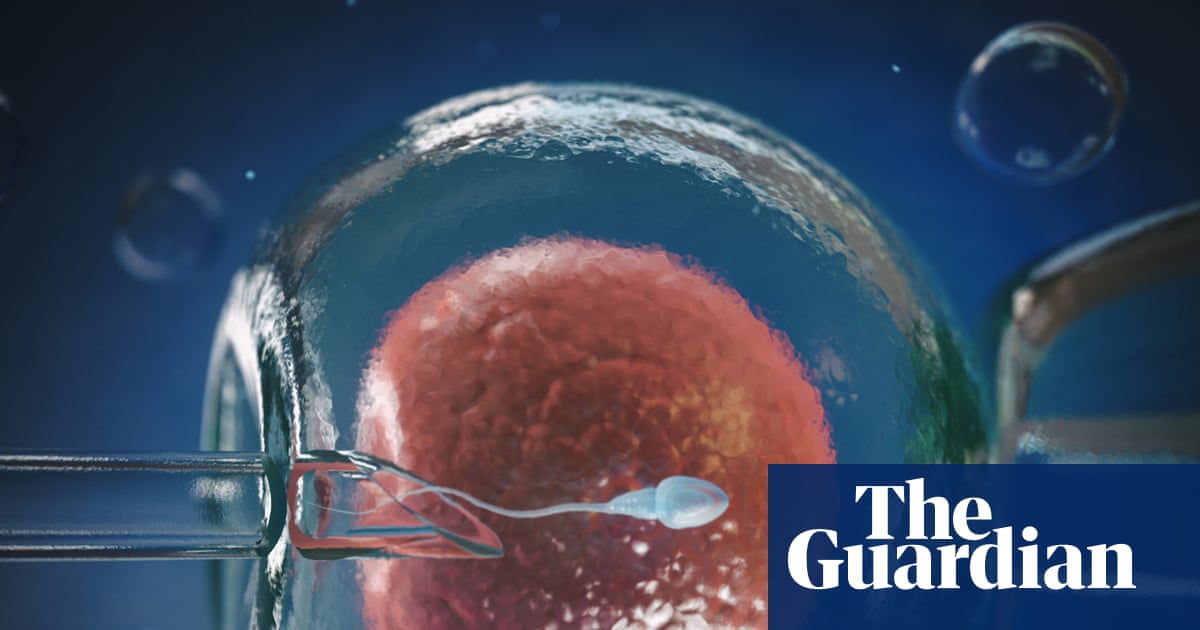
A leading laboratory in Germany has reversed a common age-related defect in human eggs, addressing an unmet need for improving ageing egg quality. Egg quality is the primary cause of age-related female infertility and determines IVF success more than chronological age. Women under 35 achieve around 35% birth rate per embryo transferred versus about 5% for women aged 43–44 in UK clinics. Eggs are uniquely vulnerable because women are born with a finite supply while sperm regenerate continuously. IVF has advanced with genetic testing, egg freezing and male-infertility techniques, but no established methods yet improve ageing eggs. The new advance could provide a first-in-class treatment to raise success for older women and reduce repeated IVF cycles.
"This is especially true for women over the age of 35 years, when IVF success rates decline steeply and for whom the only real way to improve the odds is to keep trying. While IVF has undergone huge progress in the past decades, including the advent of genetic testing, egg freezing and techniques to overcome male infertility, the primary cause of age-related female infertility egg quality has not been directly addressed."
"In IVF treatment, women under 35 had an average birth rate for each embryo transferred of 35% compared with just 5% for women aged 43-44, according to the most recent figures from UK clinics. And it is the age of the egg, not the woman, that matters most. When older women use younger donor eggs or their own frozen eggs the success rate is almost entirely defined by the age of the egg."
Read at www.theguardian.com
Unable to calculate read time
Collection
[
|
...
]