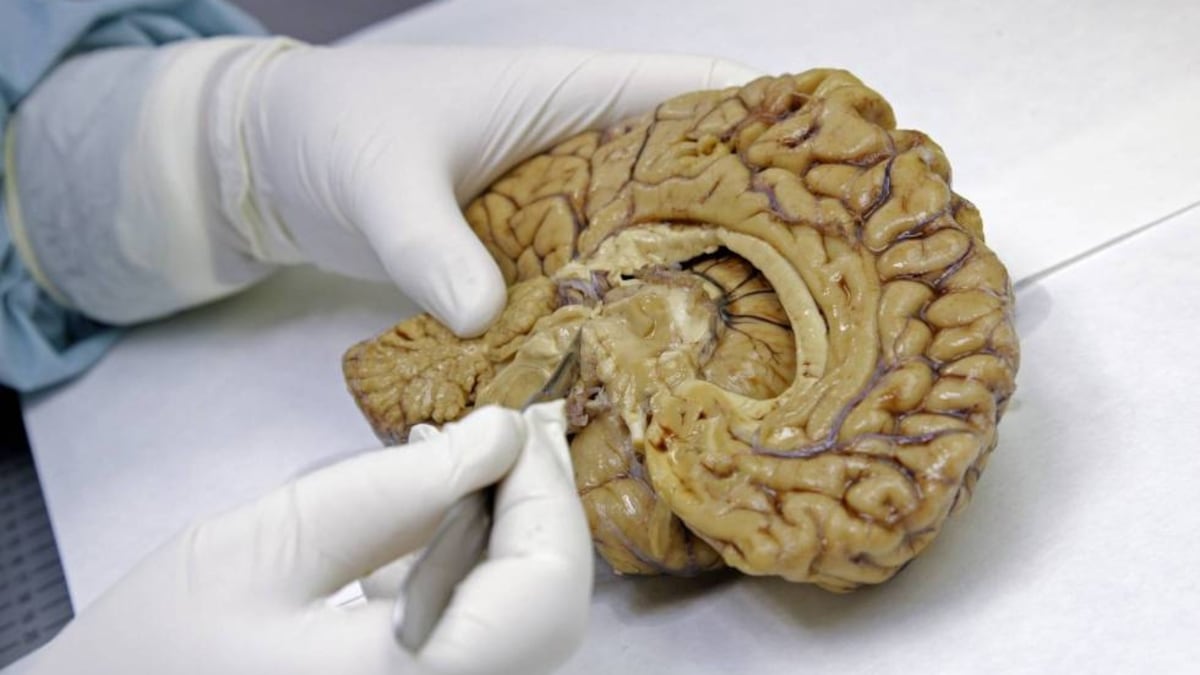
Blood tests can detect Alzheimer’s molecular markers before symptoms appear. A study measured blood levels of beta-amyloid and tau variants in 1,350 people aged 56 to 69 who had no cognitive disorder and were followed for at least 35 years. About 6% showed molecular markers linked to Alzheimer’s and were already showing mild cognitive impairment symptoms. The findings suggest that earlier identification could enable prevention and intervention in midlife through lifestyle changes and available medications. Lecanemab and Donanemab do not cure Alzheimer’s but can moderately slow disease progression. The study also links specific marker combinations to higher risk of verbal memory and cognitive processing problems. Early screening for the general population remains controversial due to potential false positives.
"A team of U.S. doctors and scientists used an approved blood test to gauge the accumulation of two proteins associated with Alzheimer's—variants of beta-amyloid and tau—in 1,350 people between the age of 56 and 69, who have been followed for at least 35 years, and who were apparently free of cognitive disorder. Their results showed that around 6% of all participants had some molecular marker associated with Alzheimer's, and were already showing symptoms of mild cognitive impairment."
"That would allow for the identification of individuals who are at the highest risk. But it would also generate a large number of false positives that could overwhelm healthcare services. The new holy grail in the fight against Alzheimer's, the most common neurodegenerative disease, is the ability to detect it earlier and earlier, even before symptoms appear."
"In light of their results, which were published by the medical journal The Lancet, researchers point out that the new blood tests might enable timely prevention and intervention in midlife adults through aforementioned measures and newly available pharmaceuticals. These drugs, Lecanemab and Donanemab, do not cure the health condition, but can moderately slow its advance."
"Her team focused on the fact that 30% of the risk of dementia can be avoided through simple interventions, like leading a healthy lifestyle and exercising. Results showed that patients with two molecular markers (A42/40 and p-tau217/A42) have much higher risk of suffering from problems associated with verbal memory and cognitive processin"
#alzheimers-disease #early-detection #blood-biomarkers #mild-cognitive-impairment #screening-controversy
Read at english.elpais.com
Unable to calculate read time
Collection
[
|
...
]