"As such, the correct next step for addressing her floppy eyelids wasn't eye surgery or medication-it was a referral for a sleep test. The patient did the test, which found that while she was sleeping, she stopped breathing 27 times per hour. On the apnea-hypopnea index, that yields a diagnosis of moderate-level OSA. With this finding, the woman started using a continuous positive airway pressure (CPAP) machine, which delivers continuous air into the airway during sleep, preventing it from closing up."
"Along with some eye lubricants, nighttime eye patches, and a weight-loss plan, the woman's condition rapidly improved. After two weeks, her eyelids were no longer inside out, and she could properly close her eyes. She was also sleeping better and no longer had daytime drowsiness. Doctors don't entirely understand the underlying mechanisms that cause floppy eyelid syndrome, and not all cases are linked to OSA. Researchers have hypothesized that genetic predispositions or anatomical anomalies may contribute to the condition."
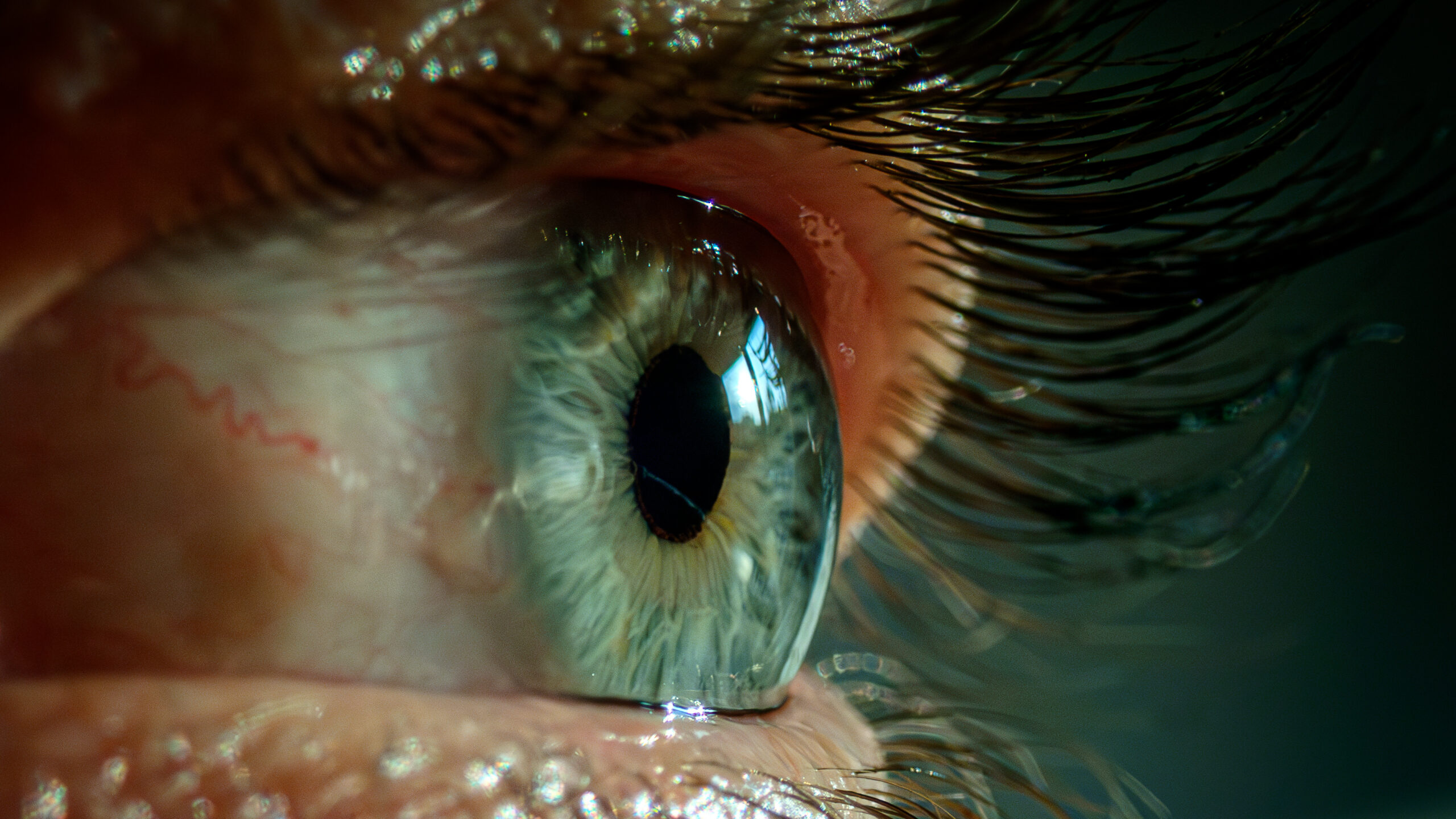
Floppy eyelid syndrome involves lax, everted eyelids that cause chronic eye surface irritation and may impair eyelid closure. Sleep testing can reveal concurrent obstructive sleep apnea (OSA); an apnea-hypopnea index of 27 events per hour indicates moderate OSA. Continuous positive airway pressure (CPAP) prevents airway collapse during sleep and can reverse eyelid laxity and symptoms when OSA is present. Conservative ocular measures include lubricants, nighttime eye patches, and weight loss. Tissue studies demonstrate reduced or abnormal elastin fibers in the tarsal plate, and oxidative stress from hypoxia may upregulate elastin-degrading enzymes. Some cases may require corrective eyelid surgery.
Read at Ars Technica
Unable to calculate read time
Collection
[
|
...
]