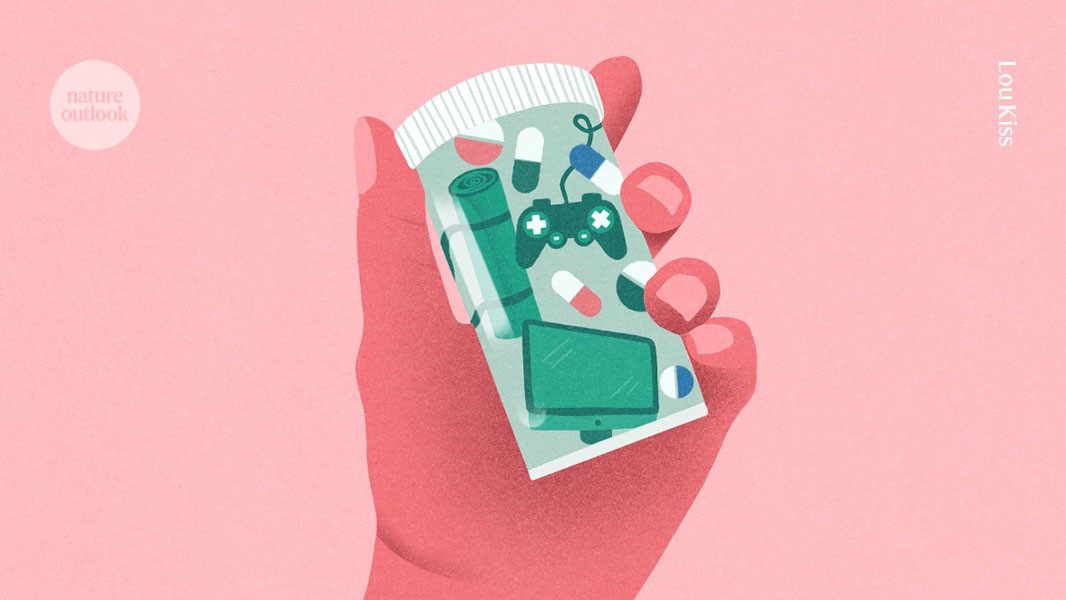
"Back in the 1960s, when Ritalin (methylphenidate) was first approved by the US Food and Drug Administration (FDA) for treating behavioural problems, parents and teachers alike were impressed by the remarkable and immediate effects of stimulants on children's ability to stay on task. Kids who had previously spun like a top, unable to concentrate or switch focus from one task to another, suddenly settled down and got on with their work."
"Today, stimulants are still the front line of treatment for attention deficit hyperactivity disorder (ADHD), and they are considered to be one of the most effective medications across the board. They have "the highest effect size we have in psychiatry, and among the highest in general medicine", says Samuele Cortese, a child psychiatrist and ADHD researcher at the University of Southampton, UK. But controversy has long surrounded these drugs, spurring a desire to find alternatives."
Ritalin (methylphenidate) approval in the 1960s produced dramatic, immediate improvements in children's attention and task persistence. Stimulants remain first-line treatment for ADHD and show some of the largest effect sizes in psychiatry and general medicine. Safety is acceptable under supervision, but side effects such as appetite loss, sleep problems, mood swings and stomachaches affect some patients. Concern over stimulant abuse in the 1970s reduced prescriptions for children. Stimulants are unsuitable or ineffective for up to 30% of people, and comorbidities like anxiety or addiction history complicate use. Increasing diagnoses have caused occasional shortages and regulatory controls restrict access.
Read at Nature
Unable to calculate read time
Collection
[
|
...
]