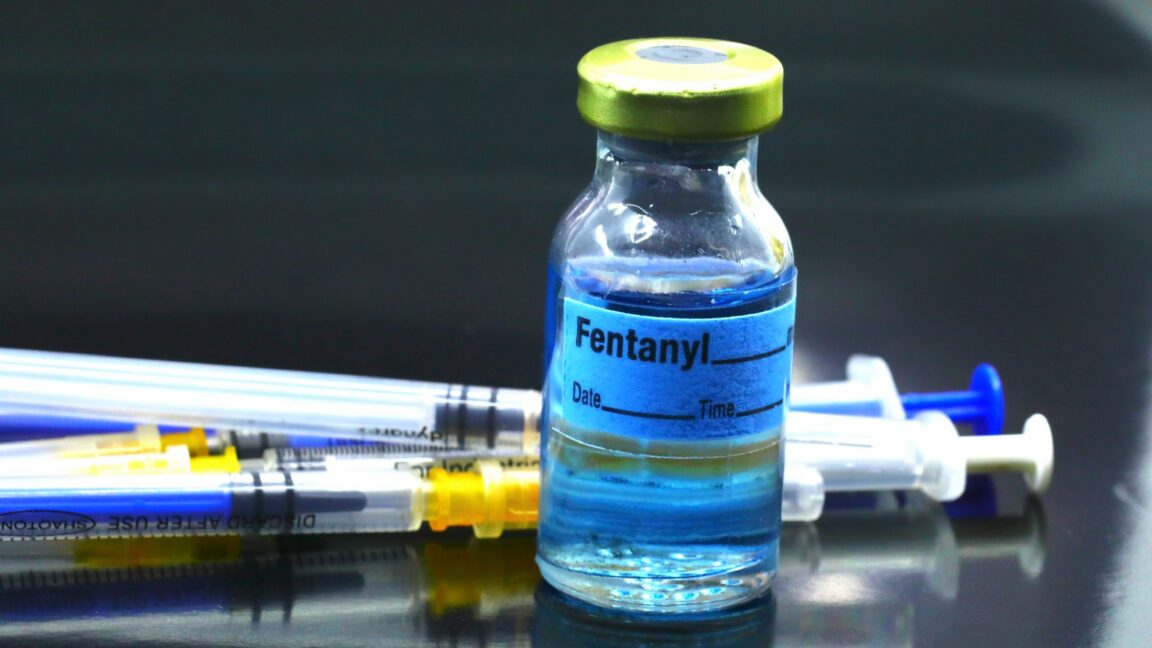
"One big question facing the development of a fentanyl vaccine or antibody treatment is whether a large enough dose of the drug could skirt by antibodies, making its way to the brain. Sharon Levy, an addiction medicine specialist at Boston Children's Hospital who has worked on fentanyl vaccines and is one of ARMR's scientific advisers, says it's possible. "There's only going to be so many antibodies," she says."
"In addiction treatment, Levy says there's always a risk of patients trying to override the effects of a prescribed opioid-blocking medication by taking a high dose of an opioid-which is highly dangerous-but she says this is rare. Levy and her colleagues have been conducting surveys on the acceptability of a fentanyl vaccine. She thinks a major target group would be teenagers and young adults who may be accidentally exposed to fentanyl when taking street drugs. Individuals with an opioid use disorder who are in active treatment would also be good candidates for vaccination. "Overall, our experience has been that people would be interested in this," she says."
"In animal studies, the University of Houston team found no cross-reactivity with other common opioid-based common pain and addiction treatment medications, such as buprenorphine, methadone, morphine, or oxycodone. But there's a downside to a lack of cross-reactivity. It means that people could still overdose on other types of opioids-and get high from them."
A fentanyl vaccine or antibody treatment faces uncertainty because very large fentanyl doses might bypass available antibodies and reach the brain. Limited antibody quantities create a theoretical risk that high-dose exposures could overcome vaccine protection. Some individuals might try to override opioid-blocking effects by taking larger doses, although that behavior appears rare. Surveys indicate interest in vaccination, with teenagers, young adults, and people in active opioid-use treatment identified as potential target groups. Animal studies showed no cross-reactivity with common opioid pain or treatment medications, but the absence of cross-reactivity means overdoses from other opioids remain possible. A vaccine would be an additional tool, not a cure for addiction or the epidemic.
Read at Ars Technica
Unable to calculate read time
Collection
[
|
...
]