"Amid cries from the jilted Ellison family about a "tainted" sale process and indie producers and theater owners of the " death of Hollywood," Melissa Otto, Head of Research at S&P Global Visible Alpha, sees a different game being played. Otto said she thinks the tech angle of the industry is being overlooked. "I think there's this much bigger conversation that is being missed," she said: Google and its TPU chips."
"A key question for the future of entertainment, Otto told Fortune, is control over premium video at massive scale in an era when generative AI will increasingly create, remix, and personalize moving images. (Otto called it the "video corpus" that will train and power the next generation of AI models.) Over the long term, Otto added, that is a key part of the mystery"
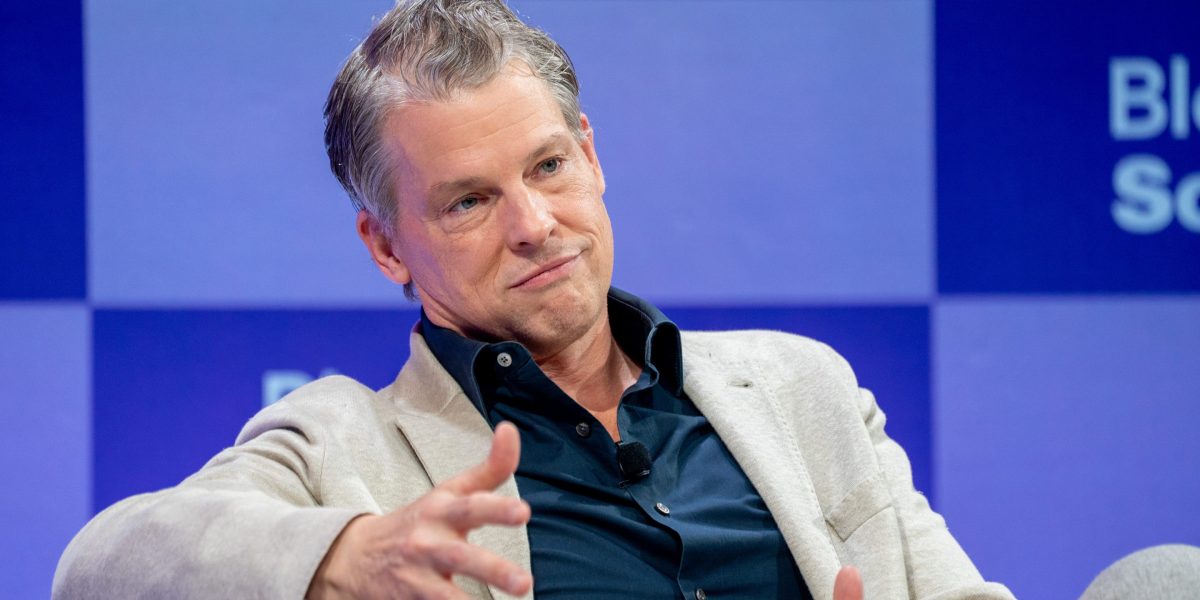
"Rich Greenfield of LightShed Partners cited Peters' own previous statement at a Bloomberg conference about how there's a long history of failed media mega-mergers, so he questioned: "Why is this going to end differently than every other media transaction essentially of this scale and history?" Peters, while clarifying his remarks at the conference were a bit more nuanced, acknowledged "historically, many of these mergers haven't worked, some have, but you really got to take a look at this on a case by case basis.""
Netflix is paying $72 billion to acquire Warner Bros., framing the transaction as a strategic bet on artificial intelligence, chips, and control of premium video content. Melissa Otto, Head of Research at S&P Global Visible Alpha, identifies Google's TPU chips and the control of the 'video corpus' as central to future generative-AI capabilities that will create, remix, and personalize moving images. Industry stakeholders including the Ellison family, indie producers, and theater owners have voiced opposition and fear. Executives faced analyst scrutiny about historical media mega-merger failures, and leadership emphasized case-by-case evaluation of merger outcomes.
Read at Fortune
Unable to calculate read time
Collection
[
|
...
]