"“I would break into prime-time programming, or whatever, and say, 'We've got a tornado warning here,' and then you'd have to go right back to regular programming,” he said. If viewers missed the update, they might not know a tornado was heading their way until the sirens sounded or the sky turned green."
"Before The Weather Channel launched in 1982, weather was often treated as a light segment near the end of the local newscast. Over the next several decades, that changed dramatically. Forecasts became a ratings driver, meteorologists became trusted local celebrities and stations poured money into radar, graphics and severe weather coverage."
"A few days before speaking with Poynter, Spann spent 12 hours straight on air covering a tornado outbreak in Central Alabama, providing wall-to-wall coverage that would have been almost unthinkable when he started broadcasting."
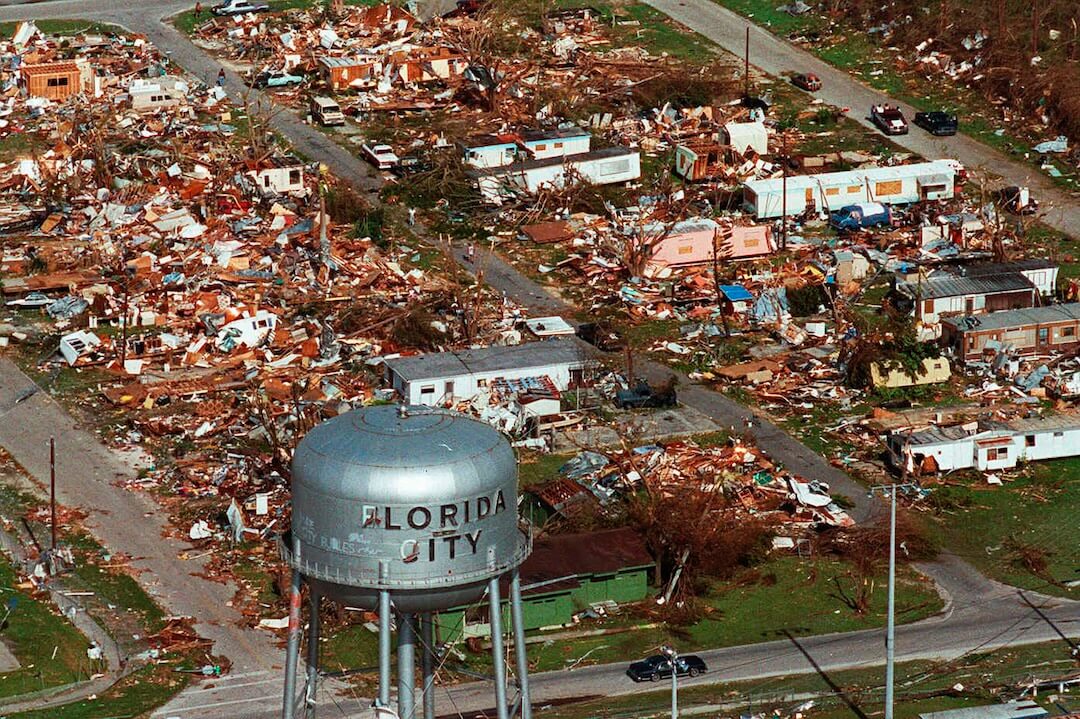
"Weather forecasts first aired on radio in the 1920s before migrating to local TV in the 1940s. By the 1950s, many news stations relied on “weather girls” and light banter to deliver forecasts. Severe weather coverage occasionally broke through the format, including future “CBS Evening News” anchor Dan Rather, who got his big break with coverage of Hurricane Carla for a local Houston affiliate in 1961 - the first live televised hurricane radar broadcast."
Weather coverage began as limited airtime content, often treated as a minor segment near the end of local newscasts. Early broadcast meteorologists faced reluctance from station owners to interrupt prime-time programming for tornado warnings. Viewers could miss critical updates until sirens sounded or skies changed color. Over subsequent decades, forecasts became central to ratings, meteorologists gained status as trusted local celebrities, and stations invested heavily in radar, graphics, and severe weather coverage. The launch of a dedicated weather cable network helped accelerate this shift. Coverage expanded from radio forecasts to local TV, with severe weather occasionally breaking through established formats.
#broadcast-meteorology #severe-weather-coverage #the-weather-channel #radar-technology #local-news-ratings
Read at Poynter
Unable to calculate read time
Collection
[
|
...
]