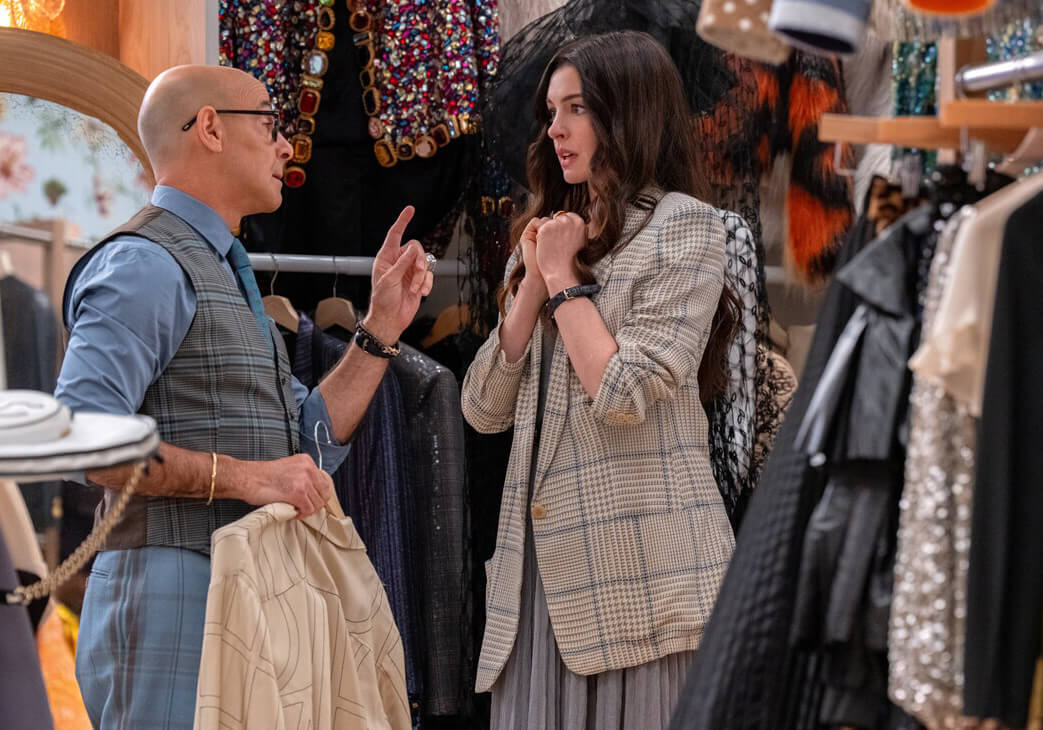
A fashion-magazine story becomes a long arc about pursuing “real” journalism after an early workplace ordeal. Andy Sachs spends two decades filing investigative reports, covering distant regions, and publishing work about the Federal Reserve. After winning a major award, her career and the media world around her collapse under pressures tied to modern industry economics. Layoffs loom, consultants and private equity influence decisions, and billionaire owners trade legacy media properties. Even a legendary editor and a flagship magazine face limits against financial forces. The question shifts from surviving the industry to whether the industry itself can endure, and whether journalism can still feel authentic in 2026.
"In 2006, Andy Sachs walked haplessly into the office of a glossy fashion magazine, got thrown into a sink-or-swim workplace drama and - spoilers for a movie now almost old enough to drink - learned to swim. Then she decided she wanted no part of it. In "The Devil Wears Prada 2," released earlier this month, we learn Andy spent the next two decades schlepping it in pursuit of "real" journalism: filing investigative reports, covering far-off pockets of the world and publishing a series about the inner workings of the Federal Reserve."
"In the opening scenes, she wins a major award for that work. Then, because this is a movie about journalism in 2026, everything comes crashing down. If the first film was about surviving the media industry, the sequel questions whether that industry itself can survive. Layoffs loom. Consultants circle. Billionaires trade legacy media properties over breakfast. Even legendary editor Miranda Priestly is no match for private equity."
"The sequel still questions whether Andy will sink or swim, but also whether Miranda and the vaunted Runway magazine can survive, too. But does "The Devil Wears Prada 2" actually feel like journalism in 2026? Or is it merely a pleatherized version of the modern media business? A half-dozen Poynter journalists went to a weekday matinee to find out."
"We're a little late publishing this conversation because we wanted to let fans see it before we spoiled it. Journalists have so few joys as it is. This discussion has been edited for brevity, clarity and, ahem, style. Major spoilers follow. Ren LaForme, managing editor: I had heard the movie provided a pretty accurate depiction of journalism in 2026, but at a few points, I genuinely won"
Read at Poynter
Unable to calculate read time
Collection
[
|
...
]