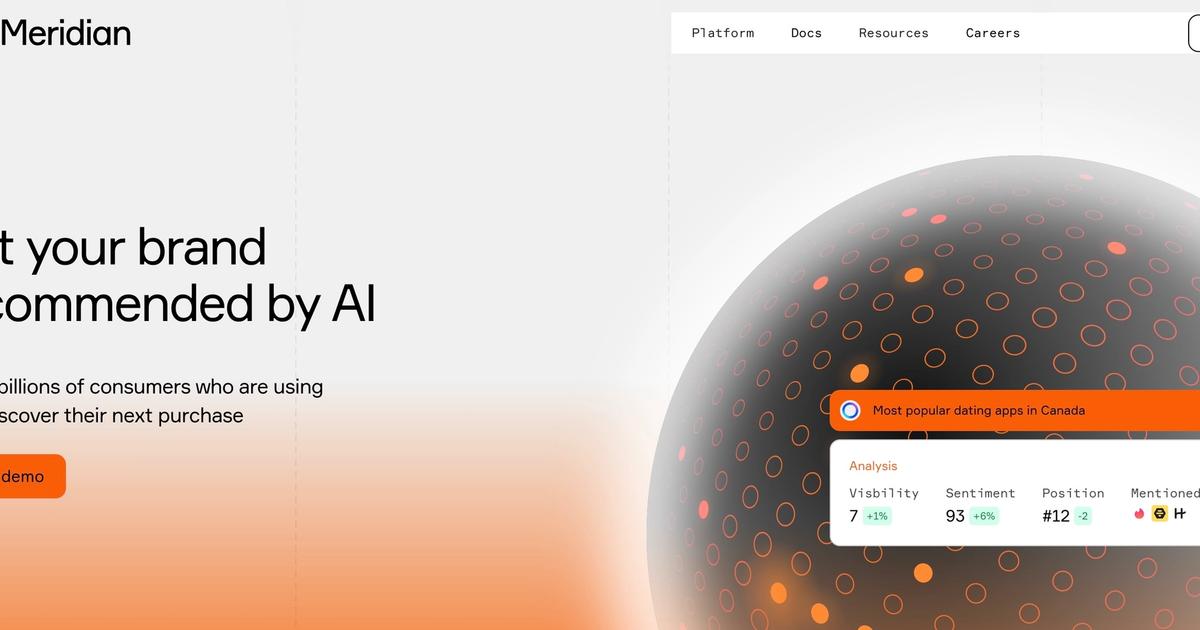
"SEO 2.0 is here. Now that we have to design websites for AI agents, rather than search engines, a host of startups are cropping up to school brands and companies on exactly how to do it. In one case, a startup says it runs thousands of daily prompts to figure out how AI models are talking about clients' brands - and suggests ways to boost their visibility. Traditional keyword searching has sputtered as AI and chatbots gain popularity, causing many companies who built entire business models on old school SEO monetization to buckle under."
"The new AI-first solutions might be good for advertisers, but it's more complicated for consumers. This is where product "slop" comes in, recommending brands that use the right words rather than the best products, and making it far more difficult for a consumer to find an honest review. This is already happening to some extent because of how the models work, but there's still room to reinvent the system, rather than perpetuating one of the worst parts of the internet."
Websites must be designed for AI agents instead of search engines, prompting startups to provide AI-focused SEO services. Some firms run thousands of daily prompts to map how models describe brands and to recommend visibility strategies. Traditional keyword-based search has weakened as AI chatbots grow, undermining legacy SEO monetization. AI-first approaches can favor advertisers while harming consumers by prioritizing phrasing over product quality. Product "slop" elevates brands that use favored language rather than better products, making honest reviews harder to find. Model behavior already drives some of these outcomes, but alternative systems can be created.
Read at Semafor
Unable to calculate read time
Collection
[
|
...
]