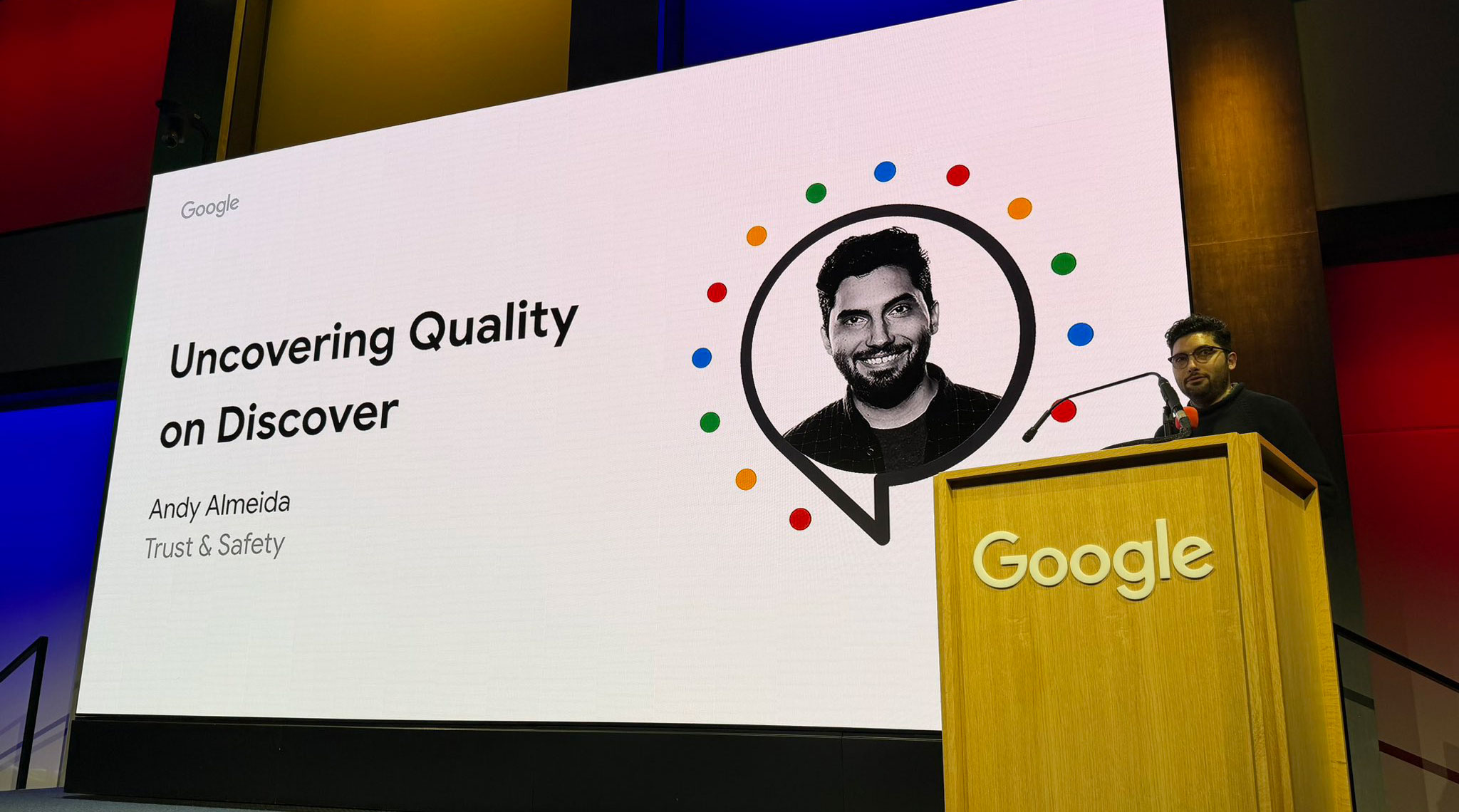
Google Discover can operate with minimal alignment to Google Search ranking, enabling content to surface without high Search rankings. The Discover team prioritizes surfacing content from smaller or lesser-known publishers to increase visibility beyond traditionally authoritative sites. Relying solely on Search quality signals would limit opportunities for emerging publishers, so Discover uses additional signals and controls. This approach makes it possible for sites not ranking for most queries to appear in Discover. The reduced alignment aims to balance promoting diverse content and combating emerging abuse, but it also increases the potential for spam and easier exploitation compared with Search.
"He told me, and I am not quoting, but going off what I remember he told me, that the Google Discover team wants to be able to highlight and promote content from smaller publishers, ones that may not rank well in Google Search. He said Google Discover aims to do that and to do that, it can't just use Google's quality signals to only promote the most authoritative sites and content."
"Instead, a site doesn't need to rank highly in Google Search for it to be promoted in Google Discover. This allows smaller, lesser known, publishers to do well in Google Discover, even if they don't currently rank well in Google Search. He told me that you don't even have to rank for most of your queries to show up in Google Discover at the current state."
"I think, this is maybe partially why Google Discover has such a spam problem. It is way easier to take a new domain and get it to rank in Google Discover than in Google Search because of this. I asked if this is a delicate tweak between using Google Search trust signals and not, so you can balance showing new or lesser known publishers while also trying not to let spam junk up the Google Discover feed. He nodded."
Read at Search Engine Roundtable
Unable to calculate read time
Collection
[
|
...
]