"In 2016, a study found that "high arousal emotions," such as joy and fear, generally drive the biggest social media response, particularly in terms of viral sharing. Back in 2012, a study published by Wharton Business School found that content that evokes anger is likely to be shared more, with the amount of anger inspired by a post proportionately driving the virality of that comment."
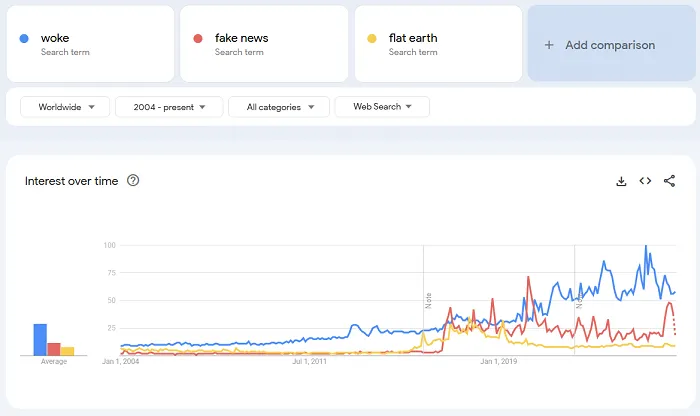
"You can see the indicators of this in the trend data stemming from the implementation of engagement-based algorithms, which started on Facebook back in 2013. As algorithmic sorting became more refined, and more understood, terms like "woke" began to gain traction, references to "fake news" and the "mainstream media," and even anger-inducing conspiracy theories, like "flat earth" gained traction due to the engagement that they drive in social apps."
"Platforms are trying out new controls that will enable people to have more of a say over what they're shown in-stream, while AI-based systems are also getting better at understanding personal relevance, down to specific topics, and even communication styles, so that these systems can show people more of what they prefer, and ideally, less of what increases their blood pressure."
High-arousal emotions like joy, fear, and anger drive the largest social media responses and disproportionately increase virality. Engagement-based algorithms implemented since 2013 have amplified content that provokes strong reactions, enabling terms like 'woke', 'fake news', 'mainstream media', and conspiracy theories such as 'flat earth' to gain traction. By 2026, users show greater awareness and seek tools to control algorithmic feeds. Platforms are testing controls and AI systems are improving at modeling personal relevance and communication styles to show preferred content and reduce stressful material. Adoption of user controls is likely to remain low. Regulators are exploring measures to compel greater user control over algorithms.
Read at Social Media Today
Unable to calculate read time
Collection
[
|
...
]