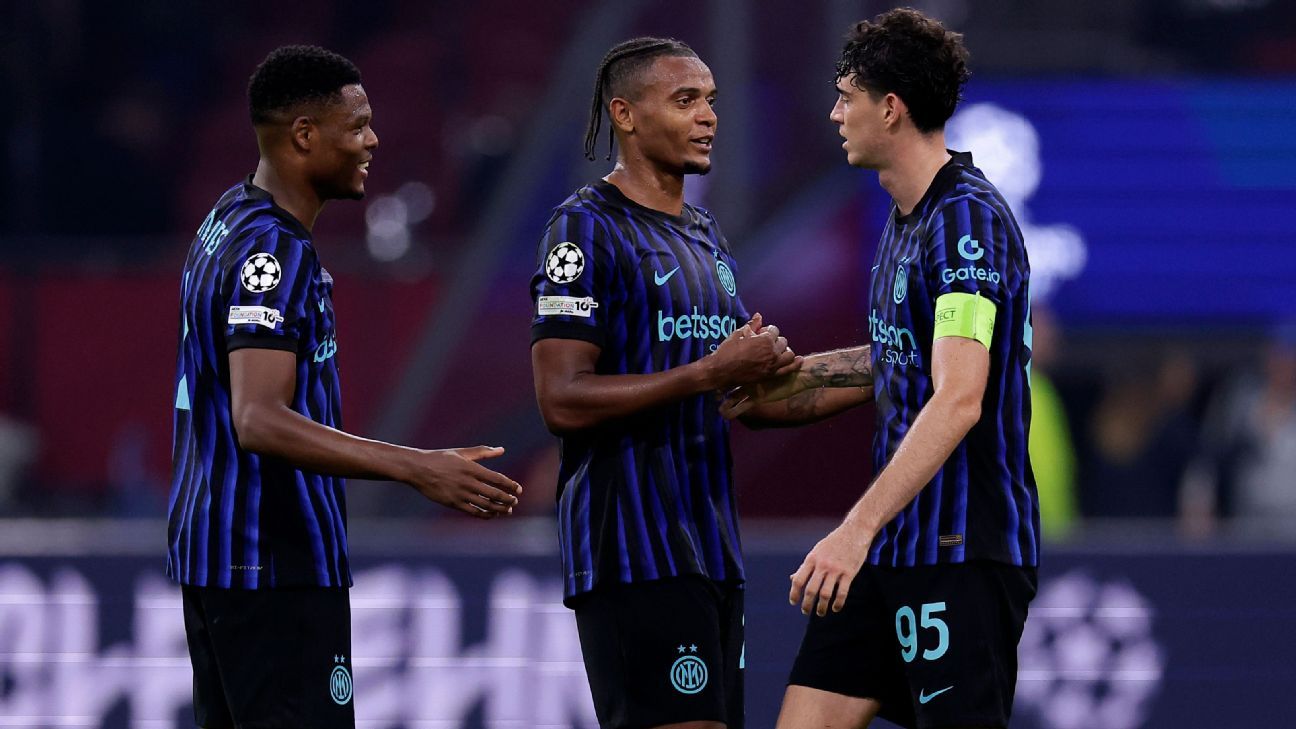
"The last decade or so has been littered with examples of how a team playing a back three can be among the most attacking and aggressive in the sport -- with one particularly extreme case currently on show in the Dutch Eredivisie -- and even Amorim's United debunked that theory to an extent."
"In the 20 Premier League games he managed this season, the Red Devils registered the most shots on target (109) and accumulated the third-most xG (36.14) in the league, behind only Arsenal (36.41) and Manchester City (38.02)."
"A trademark feature of the back-three system is the use of wing backs, a position which occupies a unique place in football tactics. It can be difficult to classify them as defenders, midfielders, or forwards as they effectively play all three roles simultaneously in one of the most complex briefs the sport has to offer."
Back-three systems are frequently criticized as overly defensive, but this perception is misleading. Manchester United under Rúben Amorim demonstrated attacking prowess despite using a 3-4-2-1 formation, recording 109 shots on target and 36.14 xG across 20 Premier League matches—the most and third-most respectively in the league. The back-three setup enables attacking play through wing backs, a unique position combining defensive, midfield, and forward responsibilities. Wing backs are typically aggressive and difficult to mark, providing attacking support rather than defensive reinforcement. Historical examples across multiple leagues show back-three systems can facilitate highly aggressive, attacking football rather than conservative play.
Read at ESPN.com
Unable to calculate read time
Collection
[
|
...
]