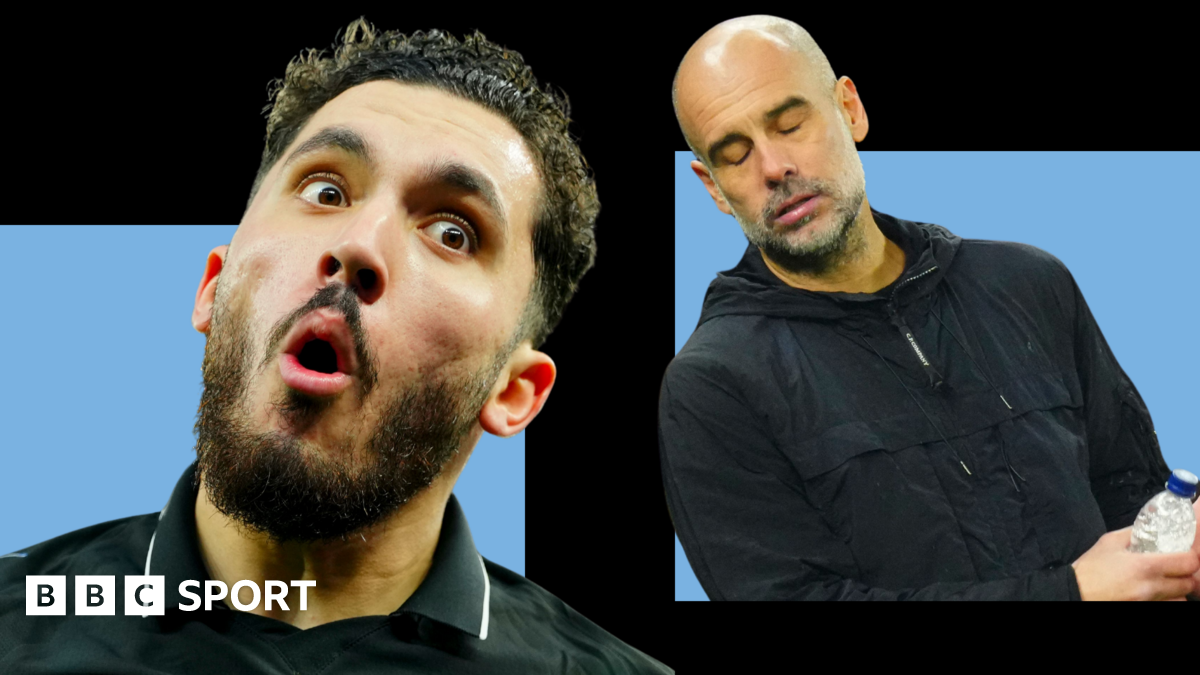
"The turnaround at Tottenham Hotspur Stadium was down to what both teams were like after the break - a re-energised and fired-up Spurs, with some new personnel and a different system, against what I think was a complacent City side. Tactics do matter here, of course, and Tottenham stopped City playing through them the way they had in the first half - but what made more of a difference for Spurs in their fightback was the way their attitude and desire was much greater than City's."
"In any game, I always believe that if the team with the better players matches the energy, desire and running power of the team with less quality, and wins the important duels, then they will win the game or maintain their lead."
"There are two reasons why a team's levels can drop in the second half of matches the way City's did against Spurs - mental or physical. While City played a lot of matches in January, they have got a big squad and Guardiola rotates the team, so I do not see that being the issue - I think the problem was more to do with their mindset."
Manchester City have repeatedly failed to hold second-half leads, surrendering advantages in three of their past four league games. The draw at Tottenham followed earlier collapses at Chelsea and Brighton, with Spurs overturning a 2-0 deficit after the break through tactical changes, fresh personnel and greater intensity. Tottenham's stronger attitude and desire, rather than superior quality, proved decisive. Two potential causes for City's second-half declines are mental lapses or physical fatigue; squad rotation suggests mindset is the more likely problem. The trend represents a significant concern for Pep Guardiola as City chase the leaders.
Read at www.bbc.com
Unable to calculate read time
Collection
[
|
...
]