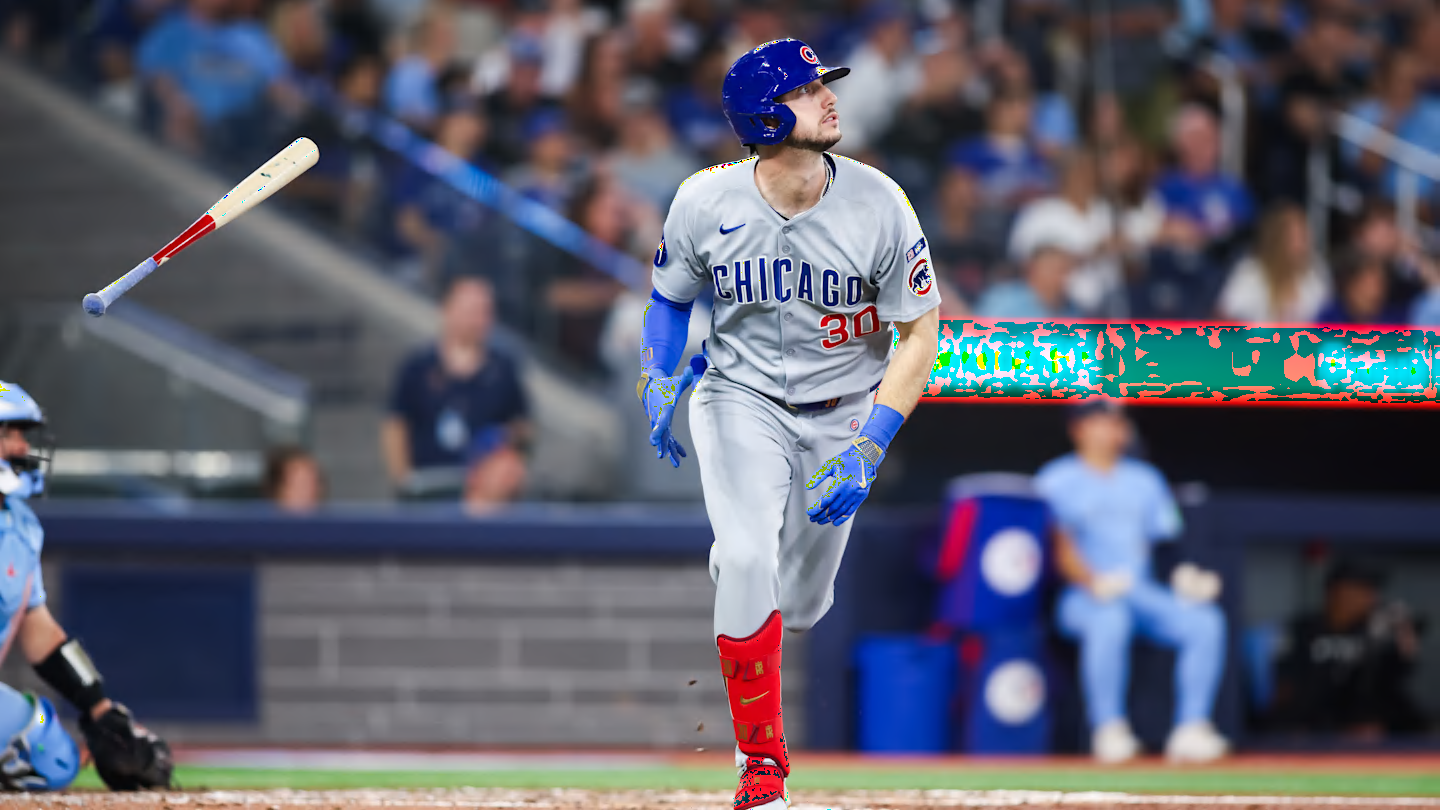
"The one-two gut punch of missing out on Kyle Tucker and losing Bo Bichette is almost too difficult to summarize into words, though the Toronto Blue Jays at least can say they put their best foot forward."
""Tucker did have a long-term offer - 10 years at $350M from the Blue Jays. If Toronto increased the AAV, it would have had a real shot to close a deal. But the $35M average apparently was a limit for the Blue Jays, so as not to exceed the $35.7M average of Guerrero's deal." https://t.co/65tFJ7hTm7- Brandon Wile (@Brandon_N_Wile) January 20, 2026"
"To break down the full extent of these details, let's start with Guerrero. Toronto's star first baseman received $500 million over 14 years, good for roughly $35.7 million on a per season basis. Tucker, meanwhile, was offered $350 million over 10 years, good for $35 million per season. Instead, the right fielder took the Dodgers' aforementioned offer. it's hard to blame him for that - in effect, the Blue Jays were offering him the same contract, but with six years and $110 million tacked onto the end. For a player of his caliber, that's a sum of money he should be able to beat once he reenters free agency in four (or fewer) years."
Toronto offered Kyle Tucker a 10-year, $350 million contract but refused to increase average annual value beyond Vladimir Guerrero Jr.'s $35.7 million AAV. Tucker signed a four-year, $240 million deal with the Dodgers instead. Bo Bichette signed a three-year, $126 million contract with the Mets. The Blue Jays capped their per-season commitment at roughly $35 million to avoid exceeding Guerrero's historic extension. That AAV limit reduced Toronto's flexibility to sign top free agents despite making competitive long-term offers. Financial constraints and prior payroll commitments shaped the team's negotiating stance.
Read at Jays Journal
Unable to calculate read time
Collection
[
|
...
]