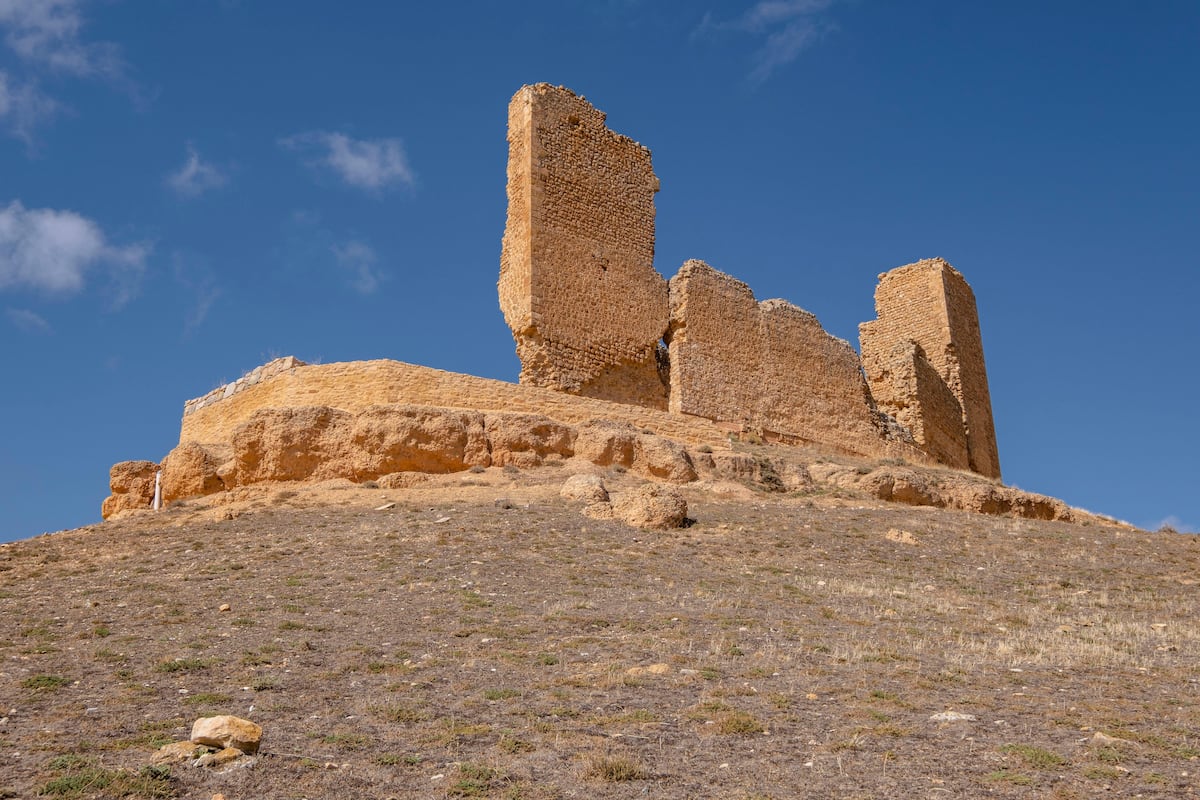
"When you visit a town where the castle is somewhat ruined, it's very easy to see fragments of it in the houses, explains the specialist, a member of the National Defensive Architecture Plan commission. Although the general state of fortresses remains, in general, dilapidated, some things have changed in the last century. We have 800 or 1,000 years of neglect and 100 years of awareness and restoration, he clarifies."
"To prevent the gradual decay of fortifications, it is first necessary to know how many there are and where they are located, but successive attempts to count, classify, and assess their state of preservation have yet to be completed. There is still no definitive inventory; often, people don't even know they exist, laments Gil Crespo. The first catalog dates back to 1968, and it's the one recognized by the Ministry of Culture, but it's completely insufficient because the number of entries is very low, explains Miguel Angel Bru."
"This organization has been determined to correct this lack of data and has been working for half a century to catalog all the defensive structures with a result of more than 10,000 but the complex process is not yet finished (the actual number could be almost double that). It's somewhat outrageous that we can't agree on something that countries like France or Germany have so clearly defined, criticizes the archaeologist, who hits the nail on the head: The fact that [Spain's] regional governments have jurisdiction over heritage [...] is good because they are closer to the people; the problem is that, in practice, each one d"
Ruins are reused as building material, with castle fragments appearing in local houses. Fortresses remain dilapidated after centuries of neglect, followed by a shorter period of awareness and restoration. Lack of information is a major obstacle because people often do not know defensive structures exist. Preventing gradual decay requires knowing how many fortifications there are and where they are located, yet no definitive inventory exists. A 1968 catalog recognized by the Ministry of Culture is considered insufficient due to too few entries. A long-running effort by an association has produced over 10,000 cataloged defensive structures, though the total may be nearly double. Disagreement persists because regional governments manage heritage independently, limiting coordination.
Read at english.elpais.com
Unable to calculate read time
Collection
[
|
...
]