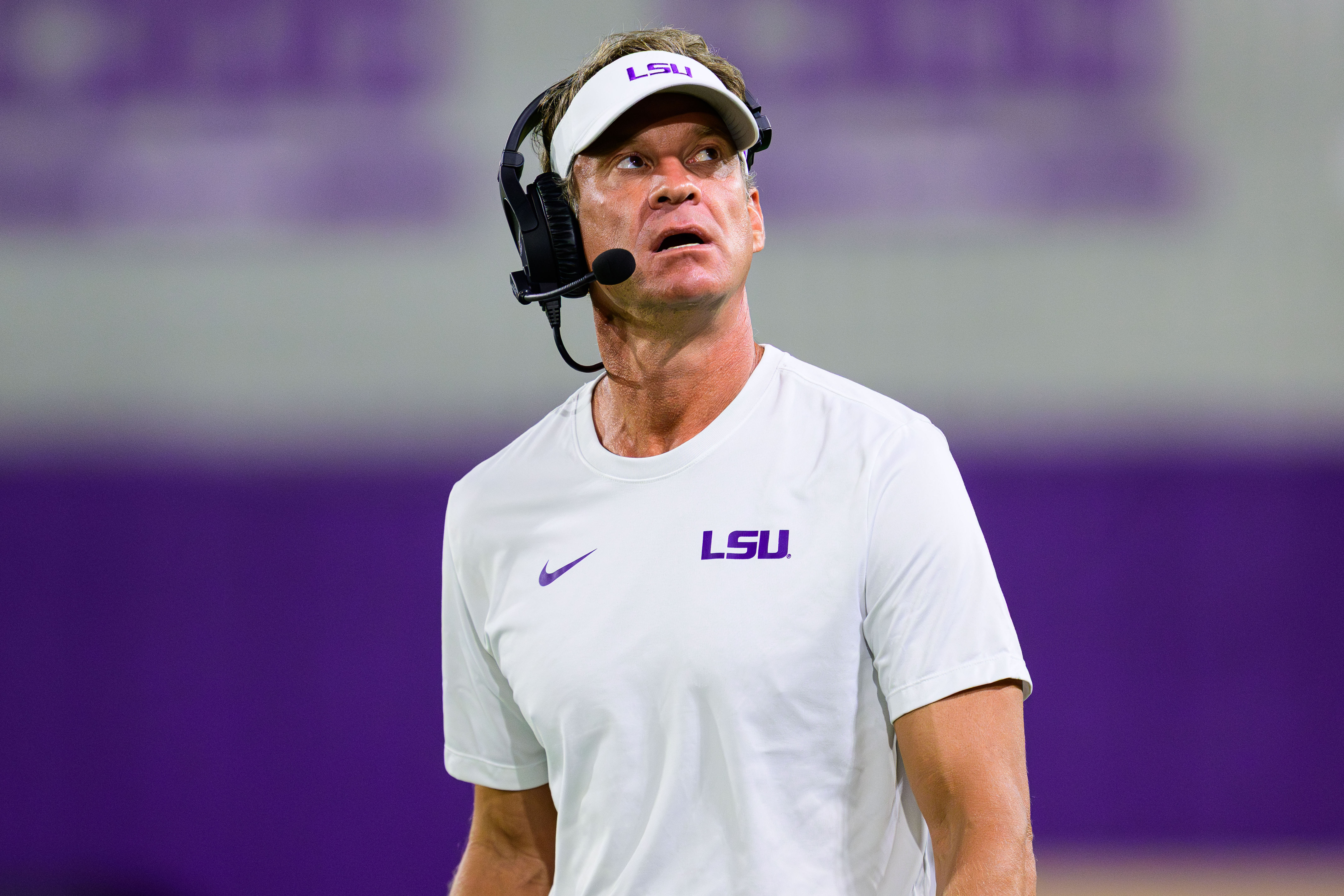
"Kiffin centers his self-justification around the college football calendar, which is fair. As currently organized, the calendar really is absolutely fucked, requiring coaches and students alike to make major decisions about their futures while the season is still ongoing. There was no reasonable scenario in which Kiffin could've delayed taking the LSU job till Ole Miss's playoff run came to an end. But while it is kinda true that the calendar forced his hand, it's also kinda besides the point."
"You don't get an entire state to curse your name simply because you took a new job. What really riled up Mississippians is how his decision to move on, and especially the timing of it, demonstrated just how little regard he holds this program in. The move was straight out of the well-established Kiffin career playbook: take over an underperforming program, march them to the cusp of the summit, and then flee for greener pastures, all but explicitly stating that he sees the program's potential as maxed out."
"It makes for a wicked burn on the school in question. It hurt Tennessee when he did it to them back in 2010 and it hurts Ole Miss now. And it also reveals Kiffin's bone-deep belief that he could and should always do better, that coaching is purely transactional, and that the dreams he sells upon first getting the job about being"
Lane Kiffin became LSU head coach after leaving Ole Miss mid-playoff run, creating major controversy and intense scrutiny of his first season in Baton Rouge. A Vanity Fair profile presents him as still shaken and focused on explaining his actions. His justification centers on the college football calendar, which forces major career decisions while seasons are ongoing. The timing is framed as unavoidable, yet the backlash is rooted in how the move appeared to reflect little regard for Ole Miss. The departure is portrayed as following a familiar pattern: take over a struggling program, reach near the top, then leave for a better contract, implying the program’s ceiling is limited. The controversy also reflects a belief that coaching is transactional and that he can always do better.
#college-football-coaching #lane-kiffin #lsu-football #ole-miss #coaching-contracts-and-career-moves
Read at Defector
Unable to calculate read time
Collection
[
|
...
]