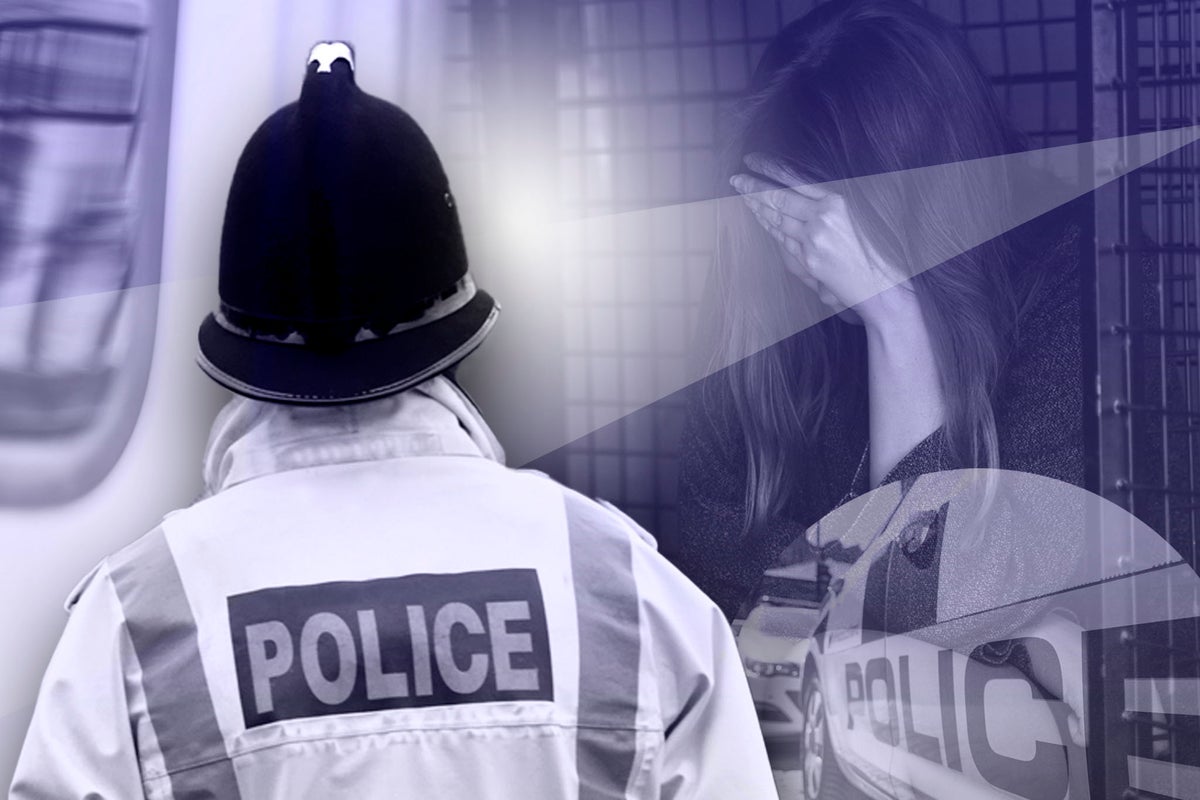
Officers conduct unannounced visits to homes where Domestic Violence Protection Orders are active. They check whether a suspected domestic abuser, banned from contacting or staying near a victim, is present. In one case, officers note a car’s number plate, suspect the banned person may be on the property, and record details for an urgent return later that evening. The visits aim to create an opportunity to help victims by verifying compliance with DVPOs. Operation Sallus is a Metropolitan Police initiative rolled out across London boroughs, using regular neighborhood checks to counter claims that DVPOs were poorly monitored and ineffective.
"As officers pull up outside a Victorian terraced home in east London, they take note of the number plate of the car parked on the driveway. They fear it could belong to a domestic abuser who has been banned from the home because he is suspected of violently assaulting his partner. He was never prosecuted for the alleged attack because the victim was not prepared to make a statement. But if they find him here, it will be grounds for his arrest."
"When three officers knock on the front door, a housemate tells them the victim is out at work, but reveals the suspected abuser has been staying there too. Officers make an urgent note to return that evening. It's worrying that he's been here. That's the whole purpose of these visits, to potentially get that window of opportunity to help, explains Sergeant Amar Sehmby, part of the Metropolitan Police's safer neighbourhood team for Havering."
"The unannounced house call is part of a new force-wide initiative called Operation Sallus to better enforce Domestic Violence Protection Orders (DVPOs) often under-used court orders which are supposed to help protect victims, often by banning perpetrators from contacting them. In the past, survivors have claimed such orders were so badly monitored they were worth little more than the paper they were written on."
"However, this operation, which was last month in use in every London borough following a gradual rollout, is designed to counter that perception by taking a proactive approach with regular checks on active DVPOs in each neighbourhood. This is quite a soft use of enforcement, but it's very much a kind of community-based linking our community officers with victim-survivors of domestic abuse, detective chief superintendent Andrew Wadey, the force's lead for public protection, told The Independent."
Read at www.independent.co.uk
Unable to calculate read time
Collection
[
|
...
]