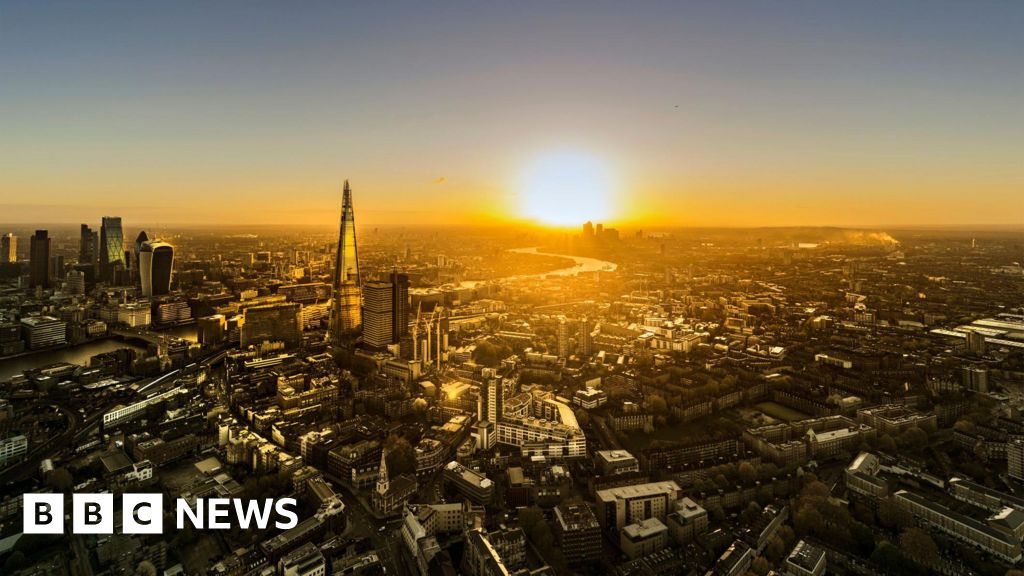
"Extreme heat is becoming an increasing issue in London, with more than a 10th of the 3,271 UK-wide heat-related deaths in 2022 in the capital, according to City Hall. It says this is due to the city's increasing density of buildings and roads leading to the "urban heat island" effect."
"The 2021 London Plan states that the spread of active measures such as AC systems is "not desirable as these have significant energy requirements and, under conventional operation, expel hot air, thereby adding to the urban heat island effect". Just 5% of British households have AC units, it notes."
"Ed Hezlet, head of energy at the Centre for British Progress, believes that air conditioning has its place and says that as temperatures increase, a failure to encourage efficient active cooling systems means "people will go out and buy lots of inefficient devices". He added that: "Active measures are very important with dealing with tail risks of very, very high temperatures.""
London experiences disproportionate heat-related deaths due to dense urban development creating urban heat island effects, with over a tenth of UK heat deaths occurring in the capital. The city's outdated planning system prioritizes passive cooling measures like trees and green roofs while discouraging air conditioning due to energy concerns and heat expulsion. However, experts argue this approach is insufficient as temperatures rise, noting that restricting efficient active cooling systems may drive residents to purchase inefficient alternatives. London's Heat Risk Delivery Plan proposes cool spaces, water refill points, and increased tree planting. The London Assembly examines housing vulnerability and resilience strategies, recognizing that comprehensive solutions require both passive infrastructure and accessible, efficient active cooling technologies.
#urban-heat-island-effect #climate-change-adaptation #housing-resilience #air-conditioning-policy #london-planning
Read at www.bbc.com
Unable to calculate read time
Collection
[
|
...
]