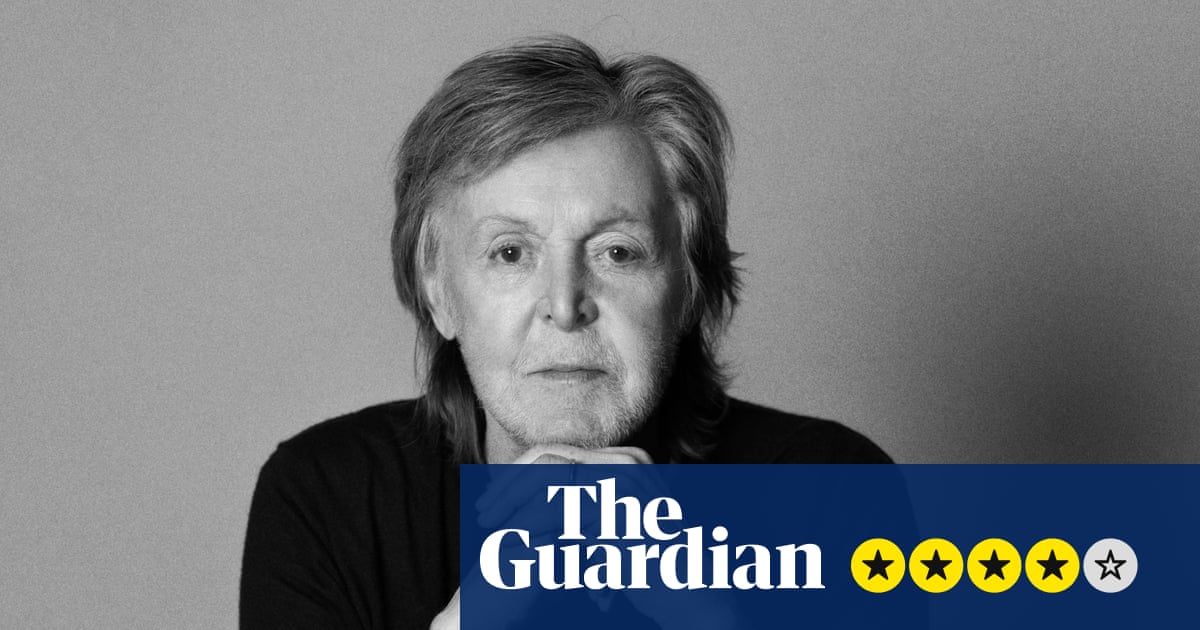
A legendary artist releasing a new album in later years is advised to choose a meaningful angle. When earlier work is unlikely to be displaced, the new release should suggest purpose rather than simply add to a large back catalogue. Recent examples include Bob Dylan’s Rough and Rowdy Ways, anchored by “Murder Most Foul,” and Bruce Springsteen’s Only the Strong Survive, built around smart covers of soul and R&B classics. Paul McCartney’s 27th studio album, Days We Left Behind, draws on childhood memories tied to a Liverpool suburb road in its title. Its first single, “Days We Left Behind,” premiered on BBC Radio Merseyside, and the album is framed as a nostalgic look back at his pre-Fab years. McCartney has also revisited his past through reworked Let It Be footage, completing an unfinished Beatles reunion song, and releasing a Wings-focused documentary, with a sentimental autobiographical tone suggesting a career nearing its end.
"The rock legend in the autumn of their years who chooses to release a new album is well advised to get themselves an angle. If the music that made you legendary was written and recorded long ago and is highly unlikely to be displaced in the public's affections by anything you do now it's good to have something that suggests a sense of purpose, beyond just adding to an already vast back catalogue for the sake of it."
"We've recently seen it with Bob Dylan's Rough and Rowdy Ways, rooted in its jawdropping 17-minute survey of American political history, Murder Most Foul; and with Bruce Springsteen's Only the Strong Survive, with its canny covers of soul and R&B classics. And an angle is clearly something that has occurred to Paul McCartney, too."
"From its title referencing a road in the suburb of Liverpool where McCartney spent his early childhood, to the circumstances of its launch the first single Days We Left Behind was premiered not on YouTube or Spotify but BBC Radio Merseyside his 27th studio album has been presented as a nostalgic look back at what you might call his pre-Fab years."
"McCartney seems to have spent the last few years crossing the Ts and dotting the Is on various aspects of his past: reworking the footage of the Let It Be recording sessions to cast it in a more positive light than the 1970 film of the same name; completing the one song left unfinished during the mid-90s reunion of the surviving Beatles; releasing a documentary designed to remind the public that, for all the critical opprobrium thrown their way, Wings were absolutely huge in the 1970s."
Read at www.theguardian.com
Unable to calculate read time
Collection
[
|
...
]