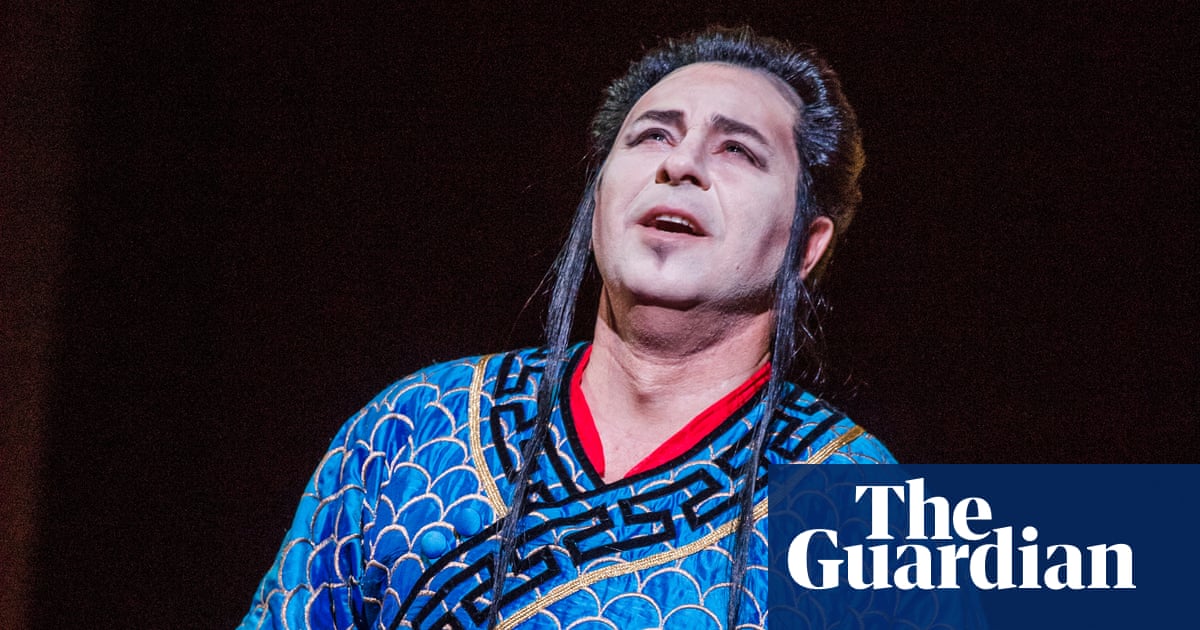
"Opera audiences pride themselves on knowing when and how to make noise. Cries of bravo, brava and bravi have become a celebrated part of the tradition, with shouted approval seen as evidence of connoisseurship. Booing, too, has a long history, and as a brave stand-in at the Royal Opera House found out on Tuesday night, its impact may sometimes seem a little blunter."
"The incident unfolded during a performance of Puccini's Turandot when the tenor Roberto Alagna, singing Prince Calaf, fell ill after the second act and was forced to withdraw. The company's head of music, Richard Hetherington, gamely sang from the wings while choreologist Tatiana Novaes Coelho performed the role on stage. But when the third act resumed without Nessun Dorma because of the aria's technical difficulty, the decision drew boos from some audience members angered at missing one of opera's most famous moments."
"Hetherington may also take comfort from booing's long history in opera, although audiences in Britain are generally much more restrained than in Italy, said the opera historian Flora Willson. Opera seems to provoke more vocal reactions than spoken theatre or musicals, but mostly booing is directed at opera singers, whose job it is to perform frankly astonishing athletic feats on a nightly basis, she said."
Tenor Roberto Alagna, singing Prince Calaf in Puccini's Turandot at the Royal Opera House, fell ill after the second act and withdrew. The company's head of music, Richard Hetherington, sang from the wings while choreologist Tatiana Novaes Coelho performed on stage. The third act resumed without Nessun Dorma because the aria posed technical difficulties, prompting boos from some audience members angered at missing the famous aria. The ROH explained that Calaf is not usually covered by a standby for every performance. Opera booing has a long history and British audiences are generally more restrained than Italian ones.
Read at www.theguardian.com
Unable to calculate read time
Collection
[
|
...
]