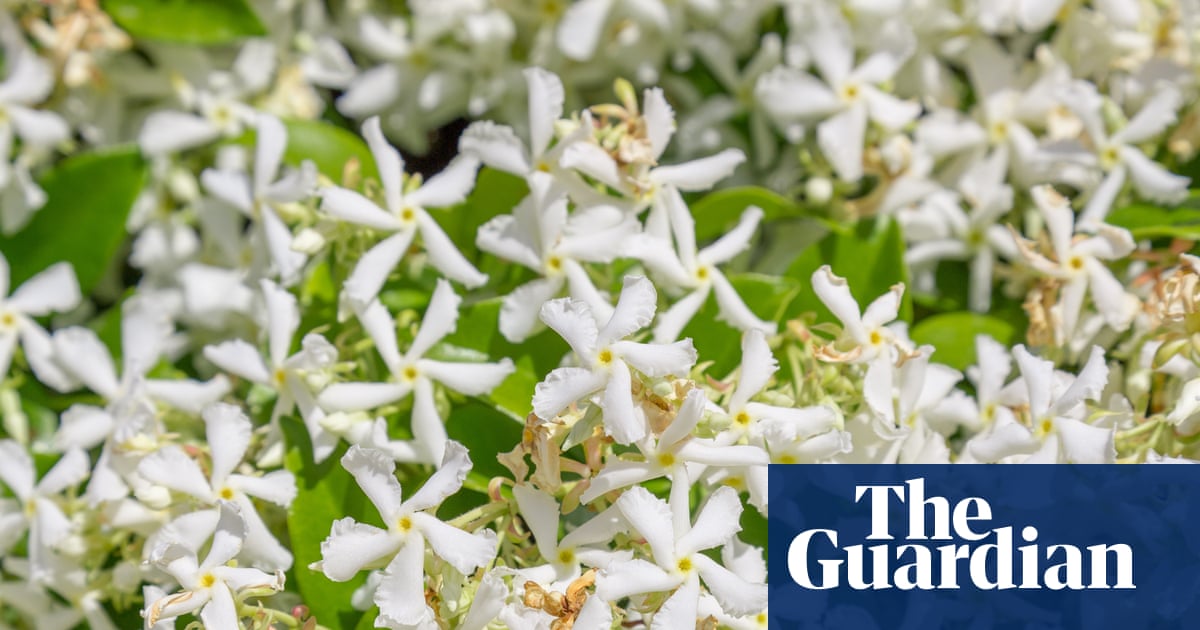
"Some will want to touch the Stachys byzantina, an evergreen plant with leaves so velvety soft its common name is lamb's ear. Others will want to smell the star jasmine, taste the plethora of herbs or listen to the sensory soundscape inspired by bioelectric signals of the surrounding plants. When the Sightsavers sensory garden opens at the Chelsea flower show this week, designers Peter Karn, Janice Molyneux and Sarah Fisher are hoping that visitors, with disabilities or without, will find it an accessible, inclusive space that engages all their senses."
"A garden can be more than just a nice space to look at. It can be an immersive sensory experience, said Karn. And the more sensory elements like texture, flavour and aroma we can work into a garden, the more accessible it is going to be for lots of different groups. The garden design team of Peter Karn, Sarah Fisher and Janice Molyneux. Photograph: Ellie Sparrow, Barker Langham"
"Children, wheelchair users and those who have lost, or are losing, their sight or other senses will find many safe and stimulating ways to interact with the natural world in the Sightsavers 3-metre by 4-metre garden. Molyneux said: We've designed the planting so there's nothing harmful, so if you reach out and touch a plant, it's not going to be a thorn or if you put a leaf in your mouth, there's nothing toxic there. Instead, visitors are invited to enjoy the sensory delights of fennel, dill, rosemary and thyme, as well as the edible, colourful flowers of nasturtium and chives."
The sensory garden at the Chelsea flower show is designed to be accessible and inclusive through engagement of multiple senses. Visitors can touch soft lamb’s ear, smell star jasmine, taste herbs, and listen to a sensory soundscape inspired by bioelectric signals from surrounding plants. The space is intended to offer safe, stimulating interactions for children, wheelchair users, and people who have lost or are losing sight or other senses. Planting is selected to avoid harmful features, with no thorns and no toxic leaves for tasting. Edible herbs such as fennel, dill, rosemary, and thyme are included, along with colourful edible flowers like nasturtium and chives.
Read at www.theguardian.com
Unable to calculate read time
Collection
[
|
...
]