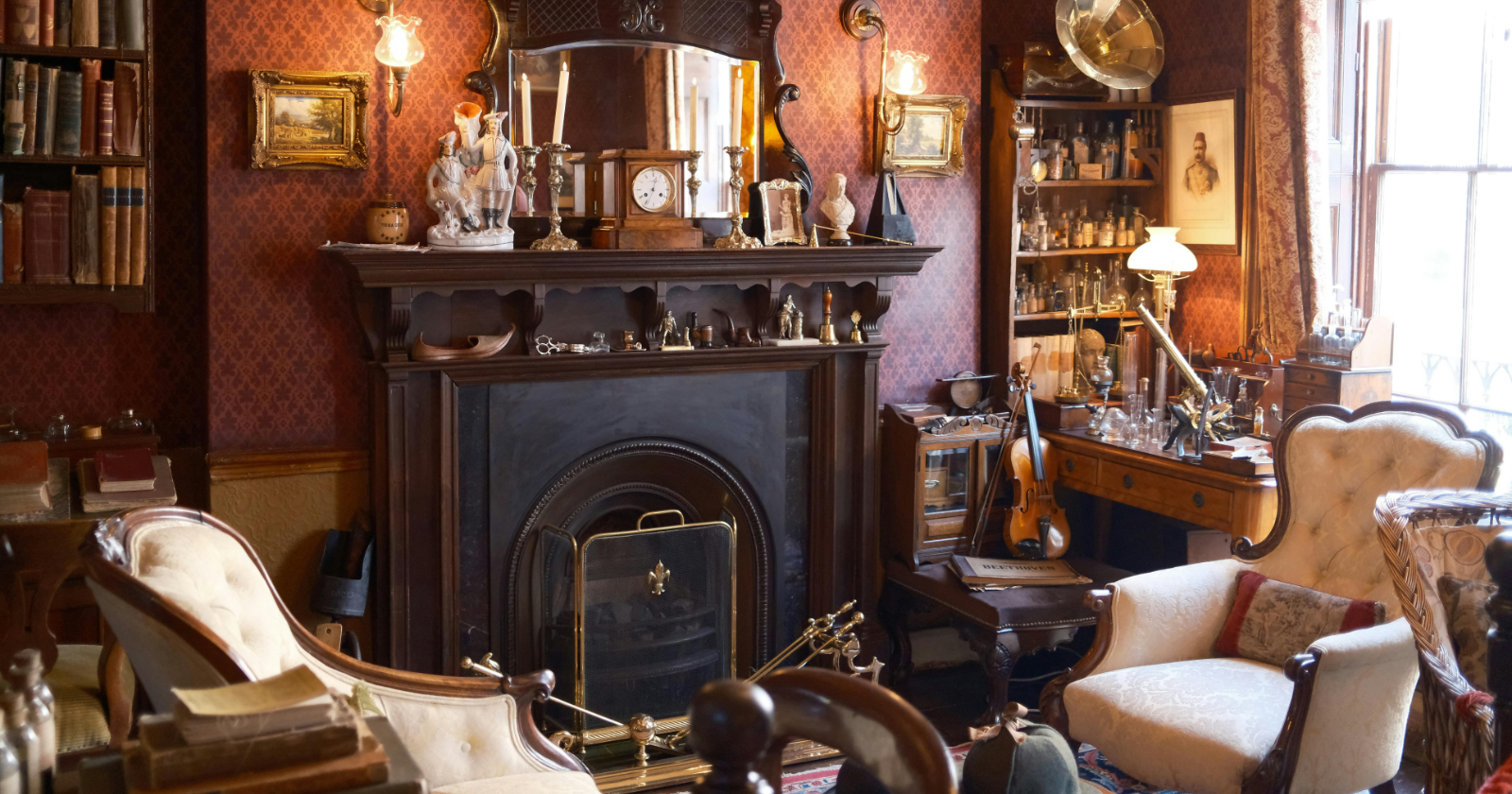
"Walk into a new money home and you might find pristine leather-bound books arranged by color. Pretty, sure. But old money libraries? They're working rooms. You'll find worn spines, bookmarks sticking out at odd angles, and volumes inherited from three generations back mixed with last week's purchases. The chairs have that specific kind of sag that comes from decades of readers. There might be a ladder that's been there since 1952, and nobody's thought to replace it because it still works perfectly fine."
"I've spent years navigating London's social circles, and there's a particular quality to homes that have been in families for generations. It's subtle. You might not even consciously register what you're seeing at first. But once you know what to look for, these details tell a story about wealth that's been around long enough to stop shouting about itself. Growing up working-class outside Manchester, I was the first in my family to go to university."
Homes held by families for generations display understated, lived-in features that signal longstanding wealth. Used, annotated libraries with worn spines, sagging chairs and functional ladders indicate continuous use and inheritance. Faded, worn oriental rugs and high-quality objects treated casually suggest provenance rather than recent purchase. Wealth that has endured tends to avoid ostentatious displays and designer signaling, instead favoring practicality, history and comfortable wear. Social circles that formed at elite schools often share recognition of these cues. The contrast appears between staged luxury and quietly accumulated possessions that carry family stories and practical longevity.
Read at Silicon Canals
Unable to calculate read time
Collection
[
|
...
]