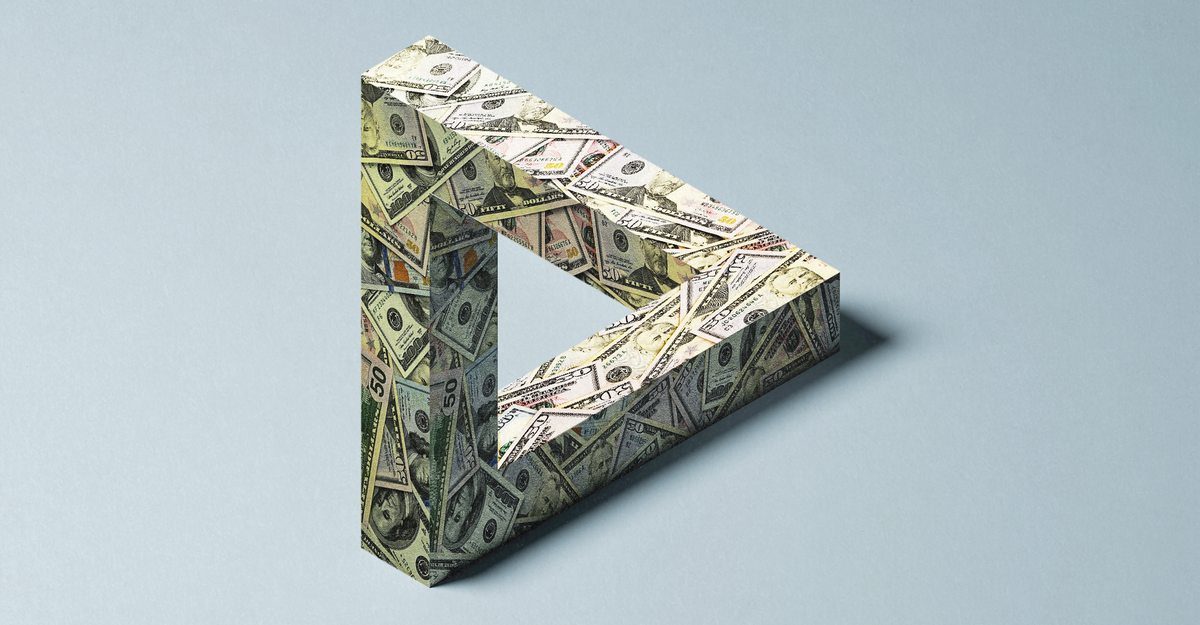
A $15 minimum wage proposal was met with laughter and disbelief among influential left-leaning donors, advocates, Democratic members of Congress, progressive economists, and liberal think tanks. The rejection stemmed from a neoliberal consensus that markets allocate resources efficiently and that forcing employers to raise wages necessarily kills jobs. This view treats labor as a supply-and-demand problem where higher labor costs reduce employment. After earlier research suggested minimum wages might not eliminate jobs, prominent economists still dismissed the idea as abandoning long-standing teaching. Seattle implemented a $15 minimum wage in 2014, and predictions of collapse failed. Restaurants stayed open, jobs did not disappear, about 100,000 workers received raises, spending increased, and the local economy continued to boom. Other cities and states then adopted similar increases.
"In the fall of 2011, one of us gave a presentation on the idea of a $15 minimum wage to a gathering of the Democracy Alliance-one of the most influential networks of left-leaning donors and advocates in the country. It did not go well. Heads shook. Some people in the audience laughed out loud. Later, when we raised the idea with Democratic members of Congress, progressive economists, and liberal think tanks, the reception was similar. They thought we'd lost our minds."
"That paradigm, which we call the neoliberal consensus, generally holds that markets, left largely to themselves, allocate resources efficiently. One of its iron laws is that anything that forces employers to raise wages kills jobs. It was basic supply and demand: Make something (labor) more expensive, and you'll get less of it. If you accepted that premise, then a $15 minimum wage was an act of economic madness that would harm the very people we were intending to help."
"In 2014, Seattle went ahead and implemented a $15 minimum wage anyway. And all the apocalyptic predictions failed to come true. The restaurants did not close. The jobs did not disappear. Instead, 100,000 workers got raises, and spent them. Seattle's economy, far from collapsing, continued to boom. San Francisco soon passed its own $15 minimum wage."
"Then came minimum-wage hikes in state after state, including not just liberal New York and California but also Missouri, Nebraska"
Read at The Atlantic
Unable to calculate read time
Collection
[
|
...
]