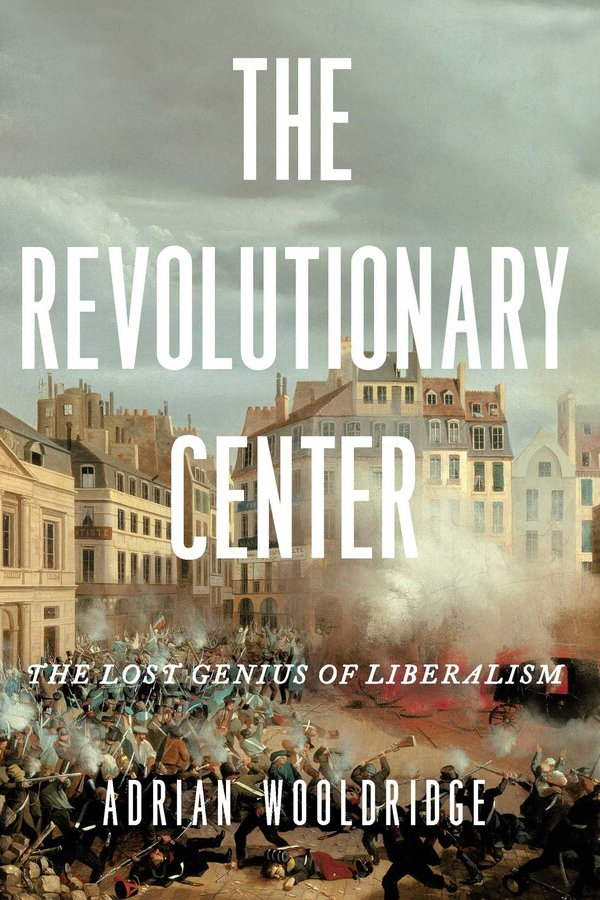
"Absolutely. I think one of the most extraordinary things that's happened to the United States in recent years is that this demonization of "liberalism" that I associate with, let's say with Ronald Reagan-people saying "liberal, liberal, liberal," in order to say liberals and namby-pamby people are against our values, that started out as a political strategy. And it was about gaining short-term power by demonizing a certain sort of people, but then they tended to be fairly patrician elites."
"And the people who use those phrases-Reagan was a tolerant sort of person; George H. W. Bush was a patrician liberal, he was a liberal; George W. Bush was a liberal-they used this for strategic reasons, and they weren't, in their personal conduct or in their politics, illiberal in any serious sense."
"But now there are a group of people around Trump who are not just opportunist critics of liberalism, they are philosophical critics of liberalism. They think liberalism is destroying Americ"
Demonization of “liberalism” began as a political strategy to gain short-term power by portraying liberals as opposed to national values. Early figures used the label while remaining personally tolerant and not seriously illiberal in practice. More recently, supporters around Donald Trump have moved from opportunistic criticism to philosophical rejection of liberalism, viewing it as destructive to America. The result is drift toward illiberalism among people who still see themselves as liberal champions, including both progressives and conservatives. Restoring liberal principles and institutions requires ordinary citizens to take action that rebuilds faith in liberal governance and norms.
Read at Slate Magazine
Unable to calculate read time
Collection
[
|
...
]